1. Specifications Comparison
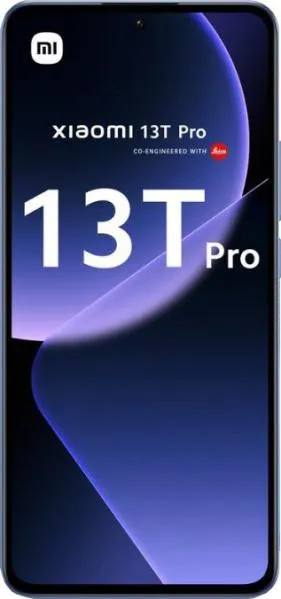
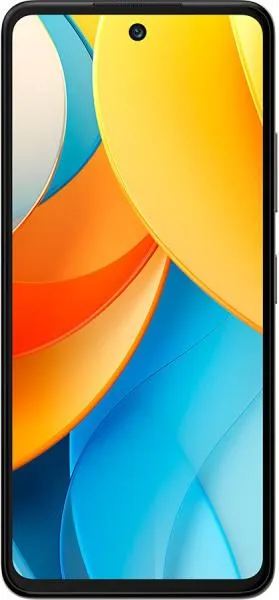
| Feature | Xiaomi 13T Pro | ZTE Blade V60 Design | Practical Impact |
|---|---|---|---|
| Design | |||
| Dimensions | 162.2 x 75.7 x 8.5 mm | 164.2 x 75.3 x 8.6 mm | Xiaomi 13T Pro is slightly smaller and thinner. Negligible difference in hand feel. |
| Weight | 200g | 198g | Virtually identical weight. |
| Build Material | Not specified | Not specified | Build quality and durability are unknown and cannot be compared. |
| Display | |||
| Display Type | AMOLED, 68B colors, 144Hz, Dolby Vision | IPS LCD, 90Hz | Significantly better display quality on the Xiaomi with richer colors, smoother animations due to higher refresh rate, and HDR support for superior dynamic range in compatible content. |
| Size | 6.67" | 6.6" | Negligible difference in screen real estate. |
| Resolution | 1220 x 2712 | 720 x 1612 | Much sharper and more detailed visuals on the Xiaomi due to significantly higher resolution. |
| Peak Brightness | 2600 nits | Not specified | Xiaomi should offer superior visibility in direct sunlight. Lack of data for the ZTE prevents a direct comparison. |
| Performance | |||
| Chipset | Mediatek Dimensity 9200+ (4 nm) | Unisoc T606 (12 nm) | The Dimensity 9200+ offers significantly higher performance in CPU and GPU tasks, resulting in much faster app loading, smoother gaming, and better multitasking capabilities. |
| CPU | Octa-core (1x3.35 GHz Cortex-X3...) | Octa-core (2x1.6 GHz Cortex-A75) | Considerably faster and more powerful CPU in the Xiaomi. |
| GPU | Immortalis-G715 MC11 | Mali-G57 MP1 | Much more powerful GPU in the Xiaomi, enabling high-end gaming and demanding graphical tasks. |
| RAM | 12GB/16GB | 6GB | More RAM in the Xiaomi allows for smoother multitasking and better performance with memory-intensive applications. |
| Storage | 512GB/1000GB | 256GB | More storage options available on the Xiaomi. |
| Camera | Not specified | Not specified | Camera quality cannot be compared due to lack of detailed specifications. |
| Battery | |||
| Capacity | 5000 mAh | 5000 mAh | Identical battery capacity. Real-world battery life will depend on software optimization and usage patterns. |
| Other | |||
| OS | Android 13 | Android 13 | Both run on the same base Android version. |
| Price Range | Medium | Low | Significant price difference, with the Xiaomi positioned in a higher price bracket. |
2. Key Differences Analysis
- Xiaomi 13T Pro Advantages: Vastly superior performance, significantly better display, more RAM and storage options.
- ZTE Blade V60 Design Advantages: Lower price point.
Practical Implications: The Xiaomi offers a flagship-level experience with its powerful hardware and high-quality display. The ZTE is a budget device with significantly lower performance, making it suitable for basic tasks.
3. User Profiles & Recommendations
- Xiaomi 13T Pro: Users who demand high performance for gaming, demanding applications, and multimedia consumption. Photographers and videographers may also find this phone appealing, pending further camera specification details.
- ZTE Blade V60 Design: Users with basic needs like calling, texting, web browsing, and light social media usage. Budget-conscious buyers who prioritize affordability over performance.
4. Decision Framework
Key Questions:
- What is your budget? The ZTE is significantly cheaper.
- What do you primarily use your phone for? Demanding tasks require the Xiaomi's power.
- How important is display quality? The Xiaomi's AMOLED screen is far superior.
Scenario-Based Recommendations:
- Gamer: Xiaomi 13T Pro
- Casual User: ZTE Blade V60 Design
- Power User: Xiaomi 13T Pro
My Choice: Xiaomi 13T Pro
The Xiaomi 13T Pro is the clear winner for me. While significantly more expensive, the performance and display quality offered are vastly superior. The Dimensity 9200+ chipset, coupled with the high refresh rate AMOLED display, ensures a smooth and enjoyable user experience. The ZTE Blade V60 Design, while budget-friendly, compromises heavily on performance and display, making it unsuitable for anything beyond basic tasks. I prioritize a fluid and responsive user experience, making the Xiaomi 13T Pro the better choice despite the price difference.
