1. Specifications Comparison
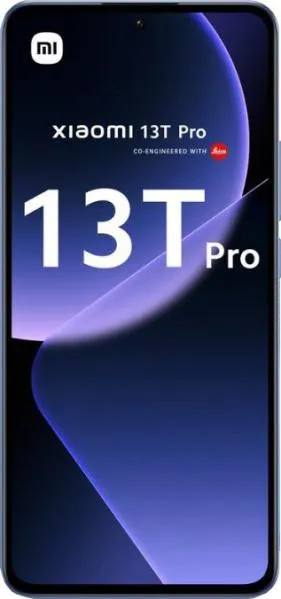
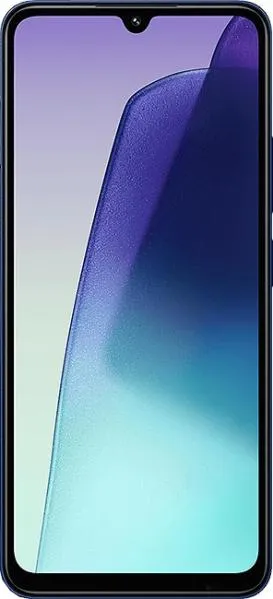
| Feature | Xiaomi 13T Pro | Xiaomi Redmi 14C | Practical Impact |
|---|---|---|---|
| Design | |||
| Dimensions | 162.2 x 75.7 x 8.5 mm | 171.9 x 77.8 x 8.2 mm | 13T Pro is slightly smaller and thinner. Redmi 14C is slightly lighter despite being larger. |
| Weight | 200g | 211g | Negligible difference in weight for most users. |
| Build | Not specified | Not specified | Build materials impact durability and premium feel; information lacking for both. |
| Display | |||
| Size | 6.67" | 6.88" | Redmi 14C offers a larger screen for media consumption, but may be less pocketable. |
| Type | AMOLED, 144Hz | IPS LCD, 120Hz | 13T Pro's AMOLED offers significantly better contrast, colors, and potentially power efficiency. 144Hz provides smoother animations than 120Hz, but the difference is subtle. |
| Resolution | 1220 x 2712 | 720 x 1640 | 13T Pro boasts much sharper visuals due to higher resolution. Redmi 14C's resolution is noticeably lower. |
| Peak Brightness | 2600 nits | 600 nits (HBM) | 13T Pro will be far more visible in direct sunlight. |
| Performance | |||
| Chipset | Dimensity 9200+ (4nm) | Helio G81 Ultra | 13T Pro's 9200+ offers significantly faster CPU and GPU performance, resulting in smoother multitasking, gaming, and app loading. |
| CPU | Octa-core (1x3.35 GHz X3 & 3x3.0 GHz A715 & 4x2.0 GHz A510) | Octa-core (2x2.0 GHz A75 & 6x1.8 GHz A55) | 13T Pro's CPU architecture is more modern and powerful. |
| GPU | Immortalis-G715 MC11 | Mali-G52 MC2 | 13T Pro's GPU is significantly more capable for demanding games and graphics-intensive tasks. |
| RAM/Storage | 12/512GB, 16/1000GB | 6/128GB, 8/128GB | 13T Pro offers vastly more RAM and storage. More RAM enables smoother multitasking. Larger storage accommodates more apps, photos, and videos. |
| Camera | |||
| Rear Camera | Not specified | Not specified | Cannot compare camera quality without detailed sensor and lens specifications. |
| Video | Up to 8K@24fps | Up to 1080p@30fps | 13T Pro supports significantly higher video resolution and frame rates. |
| Battery | |||
| Capacity | 5000 mAh | 5160 mAh | Redmi 14C has a slightly larger battery capacity. However, real-world battery life depends on many factors including display, chipset efficiency, and software optimization. |
| Charging Speed | Not specified | Not specified | Charging speeds are crucial for convenience; this information is missing. |
2. Key Differences Analysis
Xiaomi 13T Pro Advantages:
- Significantly more powerful: The Dimensity 9200+ chipset, coupled with ample RAM and storage, delivers a vastly superior performance for demanding tasks and gaming.
- Superior Display: The high-resolution AMOLED with 144Hz refresh rate and high peak brightness offers vibrant colors, deep blacks, smooth scrolling, and excellent outdoor visibility.
- Higher-end features: Offers 8K video recording and potentially faster charging (unspecified).
Xiaomi Redmi 14C Advantages:
- Slightly larger battery: Potentially longer battery life, but real-world usage will vary.
- Lower Price: Likely significantly cheaper given the lower specifications.
3. User Profiles & Recommendations
Xiaomi 13T Pro: Ideal for users who prioritize performance, a premium display, and future-proofing. Suitable for demanding tasks like gaming, video editing, and multitasking.
Xiaomi Redmi 14C: Best suited for budget-conscious users with basic needs like calling, texting, social media browsing, and light gaming.
4. Decision Framework
Key Questions:
- What is your budget? The 13T Pro will likely be considerably more expensive.
- What are your primary use cases? Demanding tasks and gaming benefit from the 13T Pro's performance. Basic usage is well-served by the Redmi 14C.
- How important is display quality? The 13T Pro's AMOLED display is a significant upgrade.
Scenario-Based Recommendations:
- Gamer: Xiaomi 13T Pro
- Budget-conscious user: Xiaomi Redmi 14C
- Power user: Xiaomi 13T Pro
- Casual user: Xiaomi Redmi 14C
My Choice: Xiaomi 13T Pro
While lacking some specific details like camera sensor specifications and charging speed, the Xiaomi 13T Pro is the clear winner for me. Its superior performance, stunning display, and future-proof specifications outweigh the Redmi 14C's slightly larger battery and lower price. The significantly improved user experience in terms of speed, visuals, and multitasking would be worth the price premium. The Redmi 14C's lower resolution display and less powerful processor would be a noticeable compromise in daily use. I prioritize a smooth and enjoyable user experience, making the 13T Pro the better choice despite the likely higher cost.
