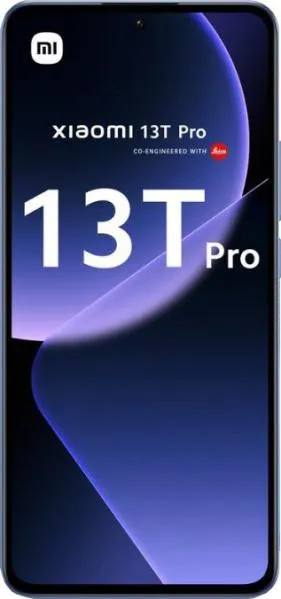
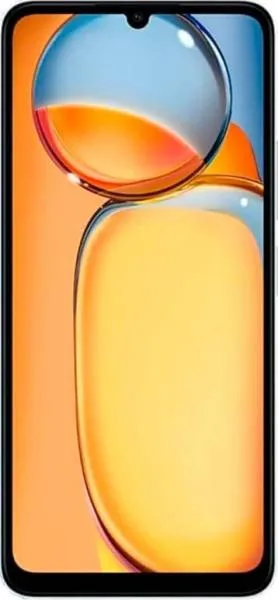
1. Specifications Comparison
| Feature | Xiaomi 13T Pro | Xiaomi Redmi 13C | Practical Impact |
|---|---|---|---|
| Design | |||
| Dimensions (mm) | 162.2 x 75.7 x 8.5 | 168 x 78 x 8.1 | 13T Pro is slightly smaller and thinner. Redmi 13C might feel bulkier. |
| Weight (g) | 200 | 192 | Negligible weight difference in practical use. |
| Build | Not specified | Not specified | Build quality impacts durability and premium feel. Lack of information limits comparison. |
| Display | |||
| Display Type | AMOLED, 68B colors, 144Hz | IPS LCD, 90Hz | 13T Pro offers significantly better color accuracy, contrast, and smoother scrolling with higher refresh rate. |
| Resolution | 1220 x 2712 | 720 x 1600 | 13T Pro has a much sharper and more detailed display. Redmi 13C's display will appear pixelated in comparison. |
| Peak Brightness | 2600 nits | 600 nits (HBM) | 13T Pro will be vastly more visible in direct sunlight. |
| Performance | |||
| Chipset | Mediatek Dimensity 9200+ (4 nm) | Mediatek MT6769Z Helio G85 (12 nm) | 13T Pro boasts a significantly more powerful processor, resulting in much faster performance for demanding tasks and gaming. |
| CPU | Octa-core (1x3.35 GHz Cortex-X3 & 3x3.0 GHz Cortex-A715 & 4x2.0 GHz Cortex-A510) | Octa-core (2x2.0 GHz Cortex-A75 & 6x1.8 GHz Cortex-A55) | 13T Pro's CPU architecture is more modern and powerful. |
| GPU | Immortalis-G715 MC11 | Mali-G52 MC2 | 13T Pro offers a drastically more powerful GPU, essential for high-end gaming and graphics-intensive applications. |
| RAM | 12GB/16GB | 6GB/8GB | More RAM in the 13T Pro allows for smoother multitasking and handling more demanding applications. |
| Storage | 512GB/1000GB | 128GB/256GB | 13T Pro offers significantly more storage for apps, media, and files. |
| Camera | |||
| Video Capabilities | 8K@24fps, 4K@60fps, ... | 1080p@30fps | The 13T Pro offers significantly higher resolution and frame rate video recording capabilities. Detailed camera specifications (sensor size, aperture) are missing, limiting a full comparison. |
| Battery | |||
| Capacity | 5000 mAh | 5000 mAh | Same battery capacity, but real-world battery life will depend on software optimization and display efficiency. The 13T Pro's higher refresh rate display could potentially drain the battery faster. |
2. Key Differences Analysis
Xiaomi 13T Pro Advantages:
- Superior Performance: Significantly faster processor, GPU, and more RAM for demanding tasks and gaming.
- Stunning Display: Higher resolution, refresh rate, AMOLED technology, and peak brightness for a dramatically better visual experience.
- More Storage: Greater storage capacity for apps, media, and files.
- Advanced Video Recording: Capability to record in higher resolutions and frame rates.
Xiaomi Redmi 13C Advantages:
- Lower Price: Significantly more affordable.
- Potentially Longer Battery Life: Lower display resolution and refresh rate could result in longer battery life, although this is not guaranteed.
Trade-offs:
- Performance vs. Price: The 13T Pro offers exceptional performance but at a higher cost. The Redmi 13C compromises performance for affordability.
3. User Profiles & Recommendations
Xiaomi 13T Pro: Ideal for power users, gamers, content creators, and those who prioritize a premium display and overall performance. Excellent for demanding tasks, multitasking, high-end gaming, and media consumption.
Xiaomi Redmi 13C: Suitable for budget-conscious users with basic needs like calling, texting, browsing, and social media. A good option for light users or as a secondary device.
4. Decision Framework
Key Questions:
- What is your budget? The Redmi 13C is a budget option, while the 13T Pro is a mid-range device.
- What are your primary use cases? Gaming, content creation, and heavy multitasking benefit from the 13T Pro's power. Basic usage is well-served by the Redmi 13C.
- How important is display quality? The 13T Pro's superior display is a major differentiator.
My Choice: Xiaomi 13T Pro
While the Redmi 13C offers excellent value for its price, the Xiaomi 13T Pro is the clear winner for me. The significantly superior performance, stunning display, and ample storage outweigh the price difference. I prioritize a smooth and responsive user experience, high-quality visuals, and the ability to handle demanding tasks without lag. The 13T Pro's future-proof specifications make it a worthwhile investment. The Redmi 13C, while suitable for basic needs, would likely be frustrating for my usage patterns.
