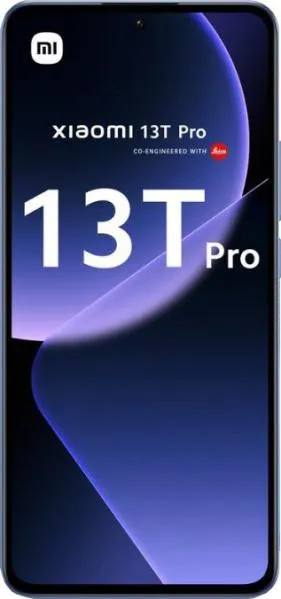
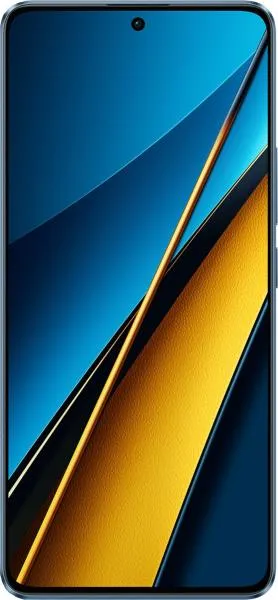
1. Specifications Comparison
| Feature | Xiaomi 13T Pro | Xiaomi Poco X6 | Practical Impact |
|---|---|---|---|
| Design | |||
| Dimensions | 162.2 x 75.7 x 8.5 mm | 161.2 x 74.3 x 8 mm | Virtually identical in size and hand feel. |
| Weight | 200g | 181g | The Poco X6 is noticeably lighter, reducing hand fatigue during extended use. |
| Display | |||
| Size | 6.67" | 6.67" | Same screen size. |
| Type | AMOLED, 144Hz | AMOLED, 120Hz | Both offer vibrant colors and deep blacks. The 13T Pro's 144Hz refresh rate provides smoother animations and scrolling, especially noticeable in gaming and fast-paced content. |
| Peak Brightness | 2600 nits | 1800 nits | The 13T Pro offers significantly higher peak brightness, ensuring better visibility in direct sunlight. |
| Resolution | 1220x2712 | 1220x2712 | Identical resolution, resulting in sharp visuals on both devices. |
| Performance | |||
| Chipset | Mediatek Dimensity 9200+ | Qualcomm Snapdragon 7s Gen 2 | The Dimensity 9200+ is a flagship-level processor, significantly more powerful than the Snapdragon 7s Gen 2, leading to much faster performance in demanding tasks and games. |
| CPU | Octa-core (1x3.35 GHz Cortex-X3 & 3x3.0 GHz Cortex-A715 & 4x2.0 GHz Cortex-A510) | Octa-core (4x2.40 GHz Cortex-A78 & 4x1.95 GHz Cortex-A55) | The 13T Pro's CPU architecture offers superior performance and efficiency. |
| GPU | Immortalis-G715 MC11 | Adreno 710 | The Immortalis-G715 is considerably more powerful, delivering a superior gaming experience and smoother graphics rendering. |
| RAM | 12/16GB | 12GB | Both offer ample RAM for multitasking, though the 13T Pro offers a 16GB option for even more headroom. |
| Storage | 512GB/1TB | 256GB/512GB | Both offer generous storage options. |
| Camera | |||
| Video Capabilities | Up to 8K@24fps | Up to 4K@30fps | The 13T Pro boasts superior video recording capabilities, including 8K resolution and more advanced stabilization (EIS). No detailed camera sensor specifications are available for comparison. |
| Battery | |||
| Capacity | 5000 mAh | 5100 mAh | The Poco X6 has a slightly larger battery, but real-world battery life will depend on software optimization and usage patterns. |
2. Key Differences Analysis
Xiaomi 13T Pro Advantages:
- Significantly more powerful: The Dimensity 9200+ offers a substantial performance advantage for demanding tasks and gaming.
- Smoother Display: The 144Hz display provides a more fluid user experience.
- Brighter Display: Better visibility outdoors.
- Superior Video Recording: 8K recording and more advanced stabilization.
Xiaomi Poco X6 Advantages:
- Lighter Weight: More comfortable for extended use.
- Slightly Larger Battery: Potentially longer battery life, though real-world results may vary.
3. User Profiles & Recommendations
Xiaomi 13T Pro: Ideal for users who prioritize performance, a smooth display, and high-quality video recording. Suitable for gamers, power users, and content creators.
Xiaomi Poco X6: Suitable for users who prioritize a lightweight phone, potentially longer battery life, and a more affordable price point. Best for everyday users who don't require top-tier performance.
4. Decision Framework
Key Questions:
- What is your budget? The 13T Pro is likely more expensive.
- What is your primary use case? (Gaming, content creation, everyday use)
- Do you prioritize performance or battery life?
Scenario-Based Recommendations:
- Gamer: Xiaomi 13T Pro for its superior performance and smoother display.
- Everyday User on a Budget: Xiaomi Poco X6 for its lower price and lighter weight.
- Content Creator: Xiaomi 13T Pro for its superior video recording capabilities.
My Choice: Xiaomi 13T Pro
While the Poco X6 offers a lighter weight and potentially longer battery life, the Xiaomi 13T Pro's significant performance advantage, smoother 144Hz display, brighter screen for outdoor use, and superior video recording capabilities make it the clear winner for me. I prioritize a fluid user experience and the ability to handle demanding tasks without lag, making the 13T Pro's powerful chipset and high refresh rate display essential. The price difference is likely justifiable for the significant performance leap.
