1. Specifications Comparison
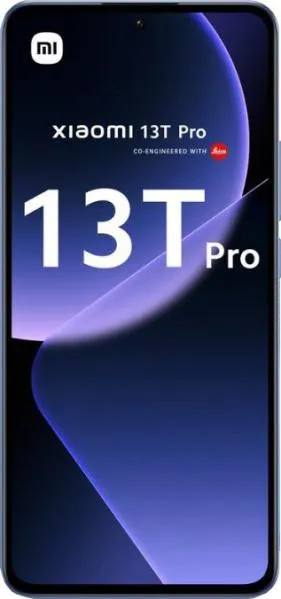
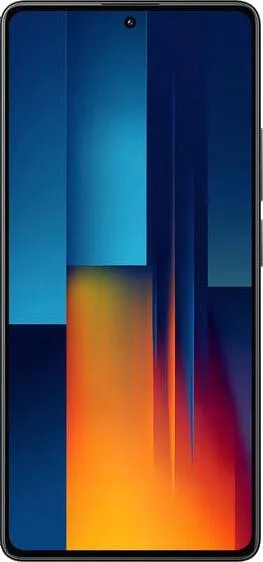
| Feature | Xiaomi 13T Pro | Xiaomi Poco M6 Pro | Practical Impact |
|---|---|---|---|
| Design | |||
| Dimensions (mm) | 162.2 x 75.7 x 8.5 | 161.1 x 75 x 8 | Virtually identical in size and hand feel. |
| Weight (g) | 200 | 179 | The Poco M6 Pro is noticeably lighter, reducing hand fatigue during extended use. |
| Display | |||
| Size (inches) | 6.67 | 6.67 | Same screen size. |
| Type | AMOLED, 144Hz, Dolby Vision, HDR10+ | AMOLED, 120Hz | The 13T Pro offers a smoother visual experience with its higher refresh rate and supports HDR content with richer colors and contrast thanks to Dolby Vision and HDR10+. |
| Resolution | 1220 x 2712 | 1080 x 2400 | The 13T Pro has a significantly sharper display (446 ppi vs 395 ppi), resulting in crisper text and images. |
| Peak Brightness (nits) | 2600 | 1300 | The 13T Pro's display is much brighter, ensuring better visibility in direct sunlight. |
| Performance | |||
| Chipset | Mediatek Dimensity 9200+ (4 nm) | Mediatek Helio G99 Ultra | The 9200+ is a flagship-level processor, offering significantly faster performance in demanding tasks like gaming and multitasking compared to the mid-range Helio G99. |
| CPU | Octa-core (1x3.35 GHz Cortex-X3 & 3x3.0 GHz Cortex-A715 & 4x2.0 GHz Cortex-A510) | Octa-core (2x2.2 GHz Cortex-A76 & 6x2.0 GHz Cortex-A55) | The 13T Pro's CPU architecture is more powerful and efficient. |
| GPU | Immortalis-G715 MC11 | Mali-G57 MC2 | The 13T Pro boasts a much more powerful GPU, enabling higher frame rates and better graphics in games. |
| RAM/Storage | 512GB/12GB, 1000GB/16GB | 512GB/12GB | The 13T Pro offers a 1TB storage option for users needing vast storage capacity. |
| Camera | |||
| Video Capabilities | 8K@24fps, 4K@60fps, 1080p@240fps (with EIS & HDR) | 1080p@60fps (with EIS) | The 13T Pro offers significantly better video recording capabilities with higher resolution (up to 8K), higher frame rates, and HDR support. Information regarding specific camera sensors and lens details is missing for a thorough comparison. |
| Battery | |||
| Capacity (mAh) | 5000 | 5000 | Same battery capacity. Real-world battery life will depend on usage and optimization; however, the 13T Pro's more powerful processor might consume more power. |
2. Key Differences Analysis
Xiaomi 13T Pro Advantages:
- Significantly superior performance: The Dimensity 9200+ chipset provides a vastly improved gaming and multitasking experience.
- Much better display: Higher resolution, refresh rate, brightness, and HDR support result in a dramatically better visual experience.
- Superior video recording: Offers higher resolution and frame rates.
Xiaomi Poco M6 Pro Advantages:
- Lighter weight: More comfortable for extended use.
- Potentially lower price: While both are mid-range, the Poco M6 Pro is likely to be more affordable.
Trade-offs:
- The 13T Pro's superior performance and display come at the cost of potentially higher price and slightly heavier weight.
- The Poco M6 Pro prioritizes affordability and lighter weight, sacrificing performance and display quality.
3. User Profiles & Recommendations
Xiaomi 13T Pro: Ideal for users who prioritize performance, a premium display, and advanced video recording capabilities. Suitable for demanding tasks like gaming, content creation, and media consumption.
Xiaomi Poco M6 Pro: Suitable for budget-conscious users who prioritize basic smartphone functionality, lightweight design, and long battery life. Best for everyday tasks like web browsing, social media, and communication.
4. Decision Framework
Key Questions for Buyers:
- What is your budget? The 13T Pro is expected to be more expensive.
- What are your primary smartphone uses? Gamers and power users will benefit from the 13T Pro's performance.
- How important is display quality? The 13T Pro offers a significantly better visual experience.
My Choice: Xiaomi 13T Pro
While the price difference might be significant, the Xiaomi 13T Pro offers a substantial upgrade in performance and display quality, two crucial aspects that greatly impact daily user experience. The Dimensity 9200+ provides future-proofing for demanding applications and games, and the superior display enhances media consumption and overall visual enjoyment. The lighter weight of the Poco M6 Pro is appealing, but the difference is not significant enough to outweigh the 13T Pro's advantages in key areas. The superior video recording capabilities of the 13T Pro are also a significant factor for content creators or anyone who values high-quality video. Ultimately, the 13T Pro represents a more well-rounded and future-proof investment for my needs.
