1. Specifications Comparison
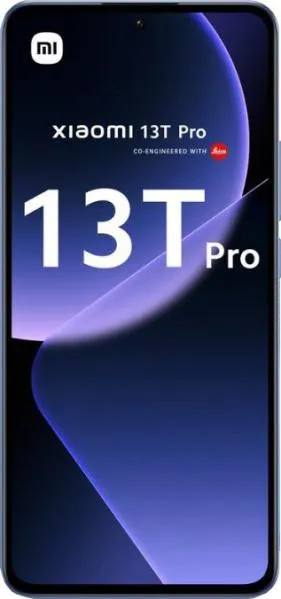
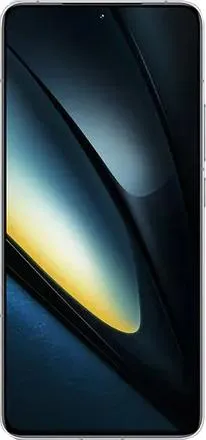
| Feature | Xiaomi 13T Pro | Xiaomi Poco F6 Pro | Practical Impact |
|---|---|---|---|
| Design | |||
| Dimensions | 162.2 x 75.7 x 8.5 mm | 160.9 x 75 x 8.2 mm | Poco F6 Pro is slightly shorter and thinner. Negligible difference in daily use. |
| Weight | 200g | 209g | Poco F6 Pro is slightly heavier, but the difference is minimal. |
| Display | |||
| Size | 6.67" | 6.67" | Same size. |
| Type | AMOLED, 144Hz | AMOLED, 120Hz | Both offer vibrant colors and deep blacks. 13T Pro's 144Hz offers smoother scrolling and animations, beneficial for gaming. |
| Resolution | 1220 x 2712 (1.5K) | 1440 x 3200 (2K) | Poco F6 Pro has a sharper display due to higher resolution, noticeable in detailed images and text. |
| Peak Brightness | 2600 nits | 4000 nits | Poco F6 Pro is significantly brighter, offering better outdoor visibility. |
| Performance | |||
| Chipset | Mediatek Dimensity 9200+ | Qualcomm Snapdragon 8 Gen 2 | Both are flagship chipsets offering top-tier performance. Snapdragon 8 Gen 2 generally benchmarks slightly higher in GPU performance. |
| CPU | Octa-core (1x3.35 GHz Cortex-X3 & 3x3.0 GHz Cortex-A715 & 4x2.0 GHz Cortex-A510) | Octa-core (1x3.2 GHz Cortex-X3 & 2x2.8 GHz Cortex-A715 & 2x2.8 GHz Cortex-A710 & 3x2.0 GHz Cortex-A510) | Both CPUs offer excellent performance. Real-world difference likely negligible for most users. |
| GPU | Immortalis-G715 MC11 | Adreno 740 | Adreno 740 generally provides better gaming performance and graphical capabilities. |
| RAM/Storage | 12/512GB, 16/1000GB | 12/512GB, 16/1000GB | Identical storage options. |
| Camera | |||
| Video Capabilities | Up to 8K@24fps | Up to 8K@24fps, 960fps slow-mo | Both offer excellent video recording capabilities. Poco F6 Pro boasts impressive 960fps slow-motion. No detailed sensor specifications provided for comprehensive comparison. |
| Battery | |||
| Capacity | 5000 mAh | 5000 mAh | Same capacity. Real-world battery life will depend on usage and optimization. |
2. Key Differences Analysis
Xiaomi 13T Pro Advantages:
- Higher Refresh Rate: Smoother scrolling and gaming experience.
- Potentially More Affordable: While both are mid-range, the 13T Pro might be priced lower due to the older release date.
Xiaomi Poco F6 Pro Advantages:
- Sharper Display: Higher resolution for crisper visuals.
- Brighter Display: Superior outdoor visibility.
- More Powerful GPU: Better gaming and graphics performance.
- Newer OS: Starts with Android 14, potentially longer software support.
- Higher Slow-Motion Video: 960fps allows for capturing extremely slow-motion footage.
Trade-offs:
- 13T Pro: Slightly less powerful GPU, lower resolution display.
- Poco F6 Pro: Slightly heavier, potentially more expensive.
3. User Profiles & Recommendations
Xiaomi 13T Pro: Suitable for users who prioritize a smooth display experience, value for money, and engage in moderate gaming.
Xiaomi Poco F6 Pro: Ideal for users who demand the best possible display quality, top-tier gaming performance, and the latest software features. Content creators might benefit from the enhanced slow-motion video capabilities.
4. Decision Framework
Key Questions for Buyers:
- What is your budget? The Poco F6 Pro is likely more expensive.
- Is gaming a priority? The Poco F6 Pro provides a significant advantage in GPU performance.
- How important is display quality? The Poco F6 Pro offers a noticeably sharper and brighter display.
My Choice: Xiaomi Poco F6 Pro
Reasoning: While the 13T Pro offers a compelling package, the Poco F6 Pro's superior display, stronger GPU, newer OS, and advanced slow-motion video capabilities make it the more compelling device for me. The slightly higher price and weight are acceptable trade-offs for these advantages. The sharper and brighter display would significantly enhance my daily usage, especially media consumption and outdoor use. The Snapdragon 8 Gen 2's superior GPU performance provides future-proofing for demanding games and applications. Finally, starting with Android 14 ensures longer software updates and access to the latest features.
