1. Specifications Comparison
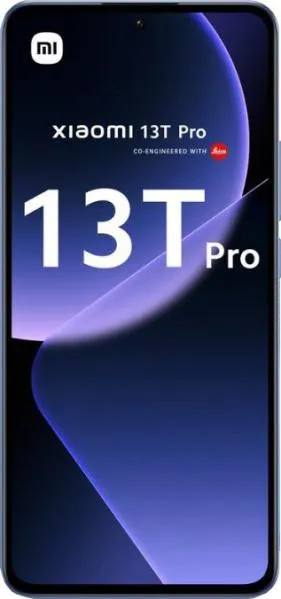
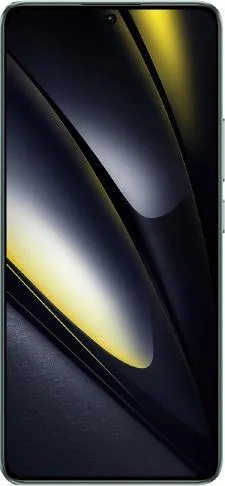
| Feature | Category | Xiaomi 13T Pro | Xiaomi Poco F6 | Practical Impact |
|---|---|---|---|---|
| Dimensions | Design | 162.2 x 75.7 x 8.5 mm | 160.5 x 74.5 x 8 mm | Poco F6 is slightly smaller and thinner, potentially improving one-handed usability. |
| Weight | Design | 200g | 179g | Poco F6 is noticeably lighter, reducing hand fatigue during extended use. |
| Display Type | Display | AMOLED, 68B colors | AMOLED, 68B colors | Both offer vibrant colors and deep blacks due to AMOLED technology. |
| Display Size | Display | 6.67" | 6.67" | Identical screen sizes provide the same viewing area. |
| Resolution | Display | 1220 x 2712 | 1220 x 2712 | Identical resolutions result in sharp visuals on both devices. |
| Refresh Rate | Display | 144Hz | 120Hz | 13T Pro offers a smoother experience for fast-paced gaming and scrolling, but the difference might not be noticeable for all users. |
| Peak Brightness | Display | 2600 nits | 2400 nits | 13T Pro's slightly higher peak brightness provides better outdoor visibility in direct sunlight. |
| Chipset | Performance | Mediatek Dimensity 9200+ (4 nm) | Qualcomm SM8635 Snapdragon 8s Gen 3 (4 nm) | Both are high-performance chipsets, but benchmarks would be needed to determine real-world performance differences. |
| CPU | Performance | Octa-core (1x3.35 GHz Cortex-X3 & 3x3.0 GHz Cortex-A715 & 4x2.0 GHz Cortex-A510) | Octa-core (1x3.0 GHz Cortex-X4 & 4x2.8 GHz Cortex-A720 & 3x2.0 GHz Cortex-A520) | Different core configurations; performance differences require benchmarking. |
| GPU | Performance | Immortalis-G715 MC11 | Adreno 735 | Different GPUs; gaming performance comparisons require benchmarking. |
| RAM/Storage | Performance | 512GB/12GB, 1000GB/16GB | 512GB/12GB | 13T Pro offers a 1TB storage option for users needing extensive local storage. |
| Battery Capacity | Battery | 5000 mAh | 5000 mAh | Identical battery capacities suggest similar battery life, but actual usage will vary. |
| OS | Software | Android 13 | Android 14 | Poco F6 ships with the newer Android version, offering potential feature and security advantages. |
| Video Capabilities | Camera | 8K@24fps, 4K@ various fps | 4K@30/60fps, 1080p at various fps | 13T Pro offers 8K video recording, which provides higher resolution but requires significantly more storage. Missing details on camera sensor size and lens specifications limit a comprehensive camera comparison. |
2. Key Differences Analysis
Xiaomi 13T Pro Advantages:
- Higher Refresh Rate Display: Smoother visuals for gaming and scrolling.
- Brighter Display: Enhanced outdoor visibility.
- 8K Video Recording: Higher resolution video capture.
- Larger Storage Option: 1TB option for extensive storage needs.
Xiaomi Poco F6 Advantages:
- Lighter and Smaller: Improved one-handed usability and reduced fatigue.
- Newer Android Version: Potential feature and security benefits.
- Potentially Lower Price: Speculation based on typical Poco positioning; confirmed pricing needed.
3. User Profiles & Recommendations
Xiaomi 13T Pro: Users prioritizing top-tier display quality, high performance for demanding tasks like gaming, and those who require ample storage (1TB option). Videographers who need 8K recording capability.
Xiaomi Poco F6: Users prioritizing comfortable one-handed use, a lighter device, and the latest Android features. Budget-conscious users seeking excellent value.
4. Decision Framework
Key Questions for Buyers:
- How important is display quality and smoothness? A higher refresh rate and brighter display might be crucial for gamers and media consumers.
- Do you prioritize one-handed usability and portability? The Poco F6's lighter and smaller form factor would be beneficial.
- What is your budget and storage requirement? The 13T Pro offers a 1TB storage option, but may come at a higher price.
My Choice: Xiaomi Poco F6
While the 13T Pro boasts a slightly better display and 8K video recording, the Poco F6's lighter weight, smaller form factor, and newer Android OS are more appealing to me personally. I prioritize comfortable daily use and value the latest software features. The difference in refresh rate (120Hz vs 144Hz) is likely negligible for my usage. Furthermore, I suspect the Poco F6 will be more affordable. Lacking specific camera sensor information limits a full assessment, but I prioritize ergonomics and software over marginally better screen specs and 8K video, which I would rarely utilize. Finally, the potentially lower price of the Poco F6 makes it a compelling value proposition.
