1. Specifications Comparison
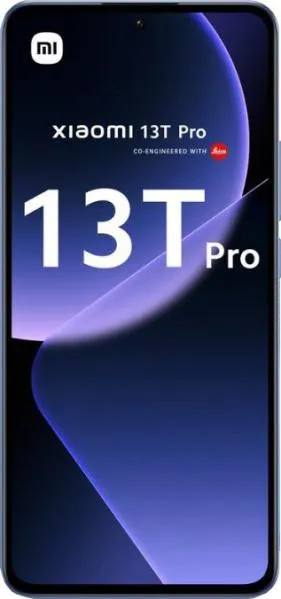
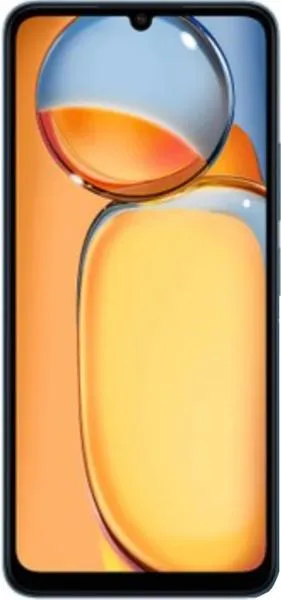
| Feature | Xiaomi 13T Pro | Xiaomi Poco C65 | Practical Impact |
|---|---|---|---|
| Design | |||
| Dimensions | 162.2 x 75.7 x 8.5 mm | 168 x 78 x 8.1 mm | The 13T Pro is slightly smaller and thinner. |
| Weight | 200g | 192g | Negligible weight difference in practical use. |
| Build | Information missing | Information missing | Material differences can impact durability and feel; this information is crucial for a thorough comparison. |
| Display | |||
| Size | 6.67" | 6.74" | Poco C65 has a marginally larger screen. |
| Type | AMOLED, 144Hz | IPS LCD, 90Hz | 13T Pro offers significantly better color accuracy, contrast, and smoother scrolling with its AMOLED display and higher refresh rate. |
| Resolution | 1220 x 2712 | 720 x 1600 | 13T Pro has a much sharper display, noticeable in text clarity and image detail. |
| Peak Brightness | 2600 nits | 600 nits (HBM) | 13T Pro will be vastly more visible in direct sunlight. |
| Performance | |||
| Chipset | Mediatek Dimensity 9200+ (4nm) | Mediatek Helio G85 (12nm) | 13T Pro offers significantly faster processing speeds and better power efficiency due to its superior chipset and smaller fabrication process. |
| CPU | Octa-core (1x3.35 GHz Cortex-X3 & 3x3.0 GHz Cortex-A715 & 4x2.0 GHz Cortex-A510) | Octa-core (2x2.0 GHz Cortex-A75 & 6x1.8 GHz Cortex-A55) | 13T Pro boasts a more powerful CPU architecture, translating to vastly improved performance in demanding tasks and multitasking. |
| GPU | Immortalis-G715 MC11 | Mali-G52 MC2 | 13T Pro provides a dramatically better gaming and graphics rendering experience. |
| RAM/Storage | 12GB/512GB, 16GB/1000GB | 8GB/256GB | 13T Pro offers more RAM and storage options for smoother multitasking and ample file storage. |
| Camera | |||
| Rear Camera | Information missing | Information missing | Camera specifications are crucial for comparison. The lack of this information limits a comprehensive analysis. |
| Video | 8K@24fps, 4K@60fps, ... | 1080p@30fps | 13T Pro offers significantly higher video resolution and frame rates. |
| Battery | |||
| Capacity | 5000 mAh | 5000 mAh | Similar battery capacity. Actual battery life depends on usage and efficiency. |
| Charging Speed | Information missing | Information missing | Charging speed significantly impacts daily usage convenience; this information is crucial. |
2. Key Differences Analysis
Xiaomi 13T Pro Advantages:
- Significantly more powerful: Superior chipset, CPU, and GPU result in a vastly improved performance for gaming, multitasking, and demanding applications.
- Superior display: AMOLED with 144Hz offers vibrant colors, deep blacks, smoother scrolling, and better outdoor visibility.
- Higher resolution display: Sharper visuals and text clarity.
- Advanced video recording capabilities: Supports higher resolutions and frame rates.
Xiaomi Poco C65 Advantages:
- Potentially lower price: Belonging to the "low price" range, it likely offers a more budget-friendly option.
- Slightly Larger Display: Offers marginally more screen real estate.
Trade-offs:
- The Poco C65 sacrifices performance, display quality, and advanced features for affordability.
- The 13T Pro likely comes at a premium price for its high-end specifications.
3. User Profiles & Recommendations
Xiaomi 13T Pro: Ideal for users who demand top-tier performance, a premium display, and advanced features like high-resolution video recording. Suitable for gamers, power users, and content creators.
Xiaomi Poco C65: Best suited for budget-conscious users who prioritize basic smartphone functionality for tasks like calling, texting, browsing, and social media.
4. Decision Framework
Key Questions for Buyers:
- What is your budget? The Poco C65 is for budget-constrained buyers, while the 13T Pro commands a higher price.
- What are your primary smartphone usage patterns? Casual users might find the Poco C65 sufficient, whereas demanding users will appreciate the 13T Pro's power.
- How important is display quality and performance? The 13T Pro excels in these areas, while the Poco C65 offers a basic experience.
My Choice: Xiaomi 13T Pro
Reasoning: The 13T Pro offers a significant leap in performance, display quality, and overall user experience. While the Poco C65 provides basic functionality at a lower price, the 13T Pro's superior specifications justify the higher cost for my needs. I value a smooth, responsive user interface, a vibrant display, and the ability to handle demanding tasks and gaming without compromise. The 13T Pro's powerful processor, high refresh rate AMOLED screen, and ample RAM make it the clear winner for me. Even without complete camera details, the overall package of the 13T Pro indicates a more future-proof and satisfying user experience.
