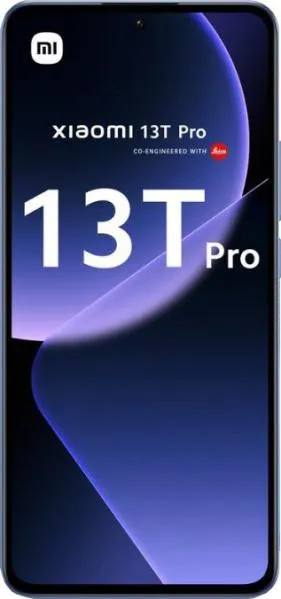

1. Specifications Comparison
| Feature | Xiaomi 13T Pro | vivo X100 Pro | Practical Impact |
|---|---|---|---|
| Design | |||
| Dimensions | 162.2 x 75.7 x 8.5 mm | 164.1 x 75.3 x 8.9 mm | The vivo is slightly larger and thicker. Negligible difference in daily use. |
| Weight | 200g | 221g | The Xiaomi is noticeably lighter, reducing hand fatigue during extended use. |
| Display | |||
| Size | 6.67" | 6.78" | Negligible difference in screen real estate. |
| Type | AMOLED, 144Hz | LTPO AMOLED, 120Hz | Both offer vibrant colors and deep blacks. The Xiaomi's 144Hz offers smoother animations and scrolling, especially noticeable in gaming, while the vivo's LTPO panel allows for dynamic refresh rate adjustment, potentially saving battery. |
| Peak Brightness | 2600 nits | 3000 nits | The vivo offers slightly higher peak brightness, improving outdoor visibility in direct sunlight. |
| Resolution | 1220 x 2712 | 1260 x 2800 | Both offer sharp and detailed visuals. The difference in resolution is minimal in practical use. |
| Performance | |||
| Chipset | Dimensity 9200+ | Dimensity 9300 | Both are high-end chipsets offering excellent performance. The Dimensity 9300 is generally considered slightly more powerful and efficient. |
| CPU | Octa-core (1x3.35 GHz X3 & 3x3.0 GHz A715 & 4x2.0 GHz A510) | Octa-core (1x3.25 GHz X4 & 3x2.85 GHz X4 & 4x2.0 GHz A720) | Both CPUs offer excellent performance. Benchmarking would be needed to determine real-world differences, but both should handle demanding tasks with ease. |
| GPU | Immortalis-G715 MC11 | Immortalis-G720 MC12 | The vivo's GPU is newer and likely offers slightly better gaming performance and graphical capabilities. |
| RAM/Storage | 512GB/12GB, 1TB/16GB | 256GB/16GB | The Xiaomi offers more storage options, including a 1TB variant, catering to users with large media libraries. |
| Battery | |||
| Capacity | 5000 mAh | 5400 mAh | The vivo has a larger battery, potentially leading to longer battery life. |
| Other | |||
| OS | Android 13 | Android 14 | The vivo ships with the newer Android version, offering potential feature and security advantages. |
| Video Capabilities | 8K@24fps, 4K@60fps, up to 1080p@240fps | 8K@30fps, 4K@60fps | The Xiaomi offers more versatile video recording options, including higher frame rates for slow-motion video at 1080p. |
2. Key Differences Analysis
Xiaomi 13T Pro Advantages:
- Higher Refresh Rate Display: Smoother animations and scrolling, beneficial for gaming and everyday use.
- Lighter Weight: More comfortable for extended use.
- More Storage Options: Caters to users with large storage needs.
- More Versatile Video Recording: Offers higher frame rates and slow-motion options.
vivo X100 Pro Advantages:
- Slightly More Powerful Chipset and GPU: Potentially better performance in demanding tasks and gaming.
- Larger Battery: Potentially longer battery life.
- Brighter Display: Enhanced outdoor visibility.
- Newer Android Version: Latest features and security updates.
3. User Profiles & Recommendations
Xiaomi 13T Pro: Ideal for users who prioritize a smooth display experience, value a lighter phone, need ample storage, and frequently record videos. Gamers and power users who don't mind slightly shorter battery life would appreciate the 144Hz refresh rate.
vivo X100 Pro: Suitable for users who prioritize battery life, a bright display for outdoor use, and the latest software. Casual gamers and users who perform demanding tasks will benefit from the powerful chipset and GPU.
4. Decision Framework
Key Questions for Buyers:
- How important is battery life? If it's a top priority, the vivo X100 Pro is likely a better choice.
- Are you a heavy gamer or power user? While both phones offer great performance, the vivo's slightly more powerful hardware might be preferred.
- Do you value a smooth display above all else? The Xiaomi's 144Hz refresh rate provides a noticeable advantage in terms of fluidity.
My Choice: Xiaomi 13T Pro
While the vivo X100 Pro offers advantages in battery life, chipset, and brightness, the Xiaomi 13T Pro's significantly lighter weight, higher refresh rate display, and more versatile video recording capabilities are more compelling to me. I prioritize a smooth and responsive user experience and find that a lighter phone significantly improves comfort during extended use. The wider storage options also appeal to my needs. While battery life is important, I'm willing to compromise slightly in that area for the benefits offered by the Xiaomi.
