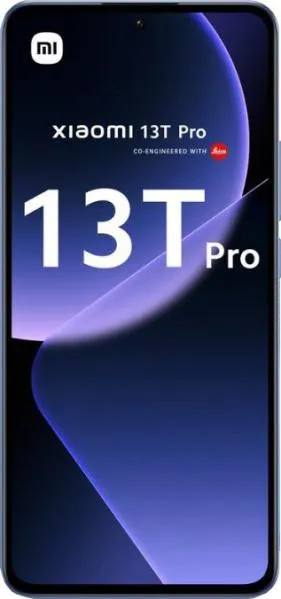
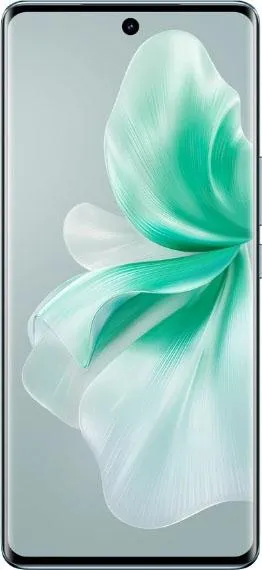
1. Specifications Comparison
| Feature | Xiaomi 13T Pro | vivo V30 | Practical Impact |
|---|---|---|---|
| Design | |||
| Dimensions | 162.2 x 75.7 x 8.5 mm | 164.4 x 75.1 x 7.5 mm | The vivo V30 is slightly taller and narrower, but noticeably thinner. The Xiaomi is likely to feel bulkier in hand. |
| Weight | 200g | 186g | The vivo V30 is lighter, making it more comfortable for extended use. |
| Display | |||
| Size | 6.67" | 6.78" | Negligible difference in screen real estate. |
| Type | AMOLED, 68B colors, 144Hz | AMOLED, 1B colors, 120Hz | Both offer vibrant AMOLED displays. The Xiaomi 13T Pro boasts smoother animations and scrolling with its 144Hz refresh rate and significantly more color accuracy with its 68B color depth. The V30's 1B colors are standard but less impressive. |
| Resolution | 1220 x 2712 | 1260 x 2800 | Both offer sharp displays; the V30 has a marginally higher pixel density (453 ppi vs 446 ppi). Difference is unlikely to be noticeable in everyday use. |
| Peak Brightness | 2600 nits | 2800 nits | The vivo V30 offers slightly higher peak brightness, potentially improving outdoor visibility. |
| Performance | |||
| Chipset | Mediatek Dimensity 9200+ (4 nm) | Qualcomm Snapdragon 7 Gen 3 (4 nm) | The Dimensity 9200+ in the Xiaomi is generally considered a more powerful chipset than the Snapdragon 7 Gen 3, leading to better performance in demanding tasks and gaming. |
| CPU | Octa-core (1x3.35 GHz X3 & 3x3.0 GHz A715 & 4x2.0 GHz A510) | Octa-core (1x2.63 GHz A715 & 3x2.4 GHz A715 & 4x1.8 GHz A510) | The Xiaomi 13T Pro has faster CPU clock speeds, resulting in quicker app launches and smoother multitasking. |
| GPU | Immortalis-G715 MC11 | Adreno 720 | The Immortalis-G715 in the Xiaomi is more powerful, providing a significant advantage for gaming and graphically intensive applications. |
| RAM/Storage | 12GB/512GB, 16GB/1GB | 8GB/256GB | The Xiaomi offers more RAM and storage options, enabling smoother multitasking and ample space for files and apps. The limited RAM on the Vivo could lead to performance constraints with heavy multitasking. |
| Battery | |||
| Capacity | 5000 mAh | 5000 mAh | Both have the same battery capacity, suggesting similar battery life, though real-world usage will vary depending on other factors. |
| Camera | |||
| Video Capabilities | 8K@24fps, 4K@60fps, 1080p@240fps | 4K@30fps, 1080p@30fps | The Xiaomi 13T Pro offers significantly more versatile video recording options, including higher resolution (8K) and frame rates (up to 240fps slow-motion). The Vivo V30's video capabilities are quite basic in comparison. |
| Software | |||
| OS | Android 13 | Android 14 | The vivo V30 ships with a newer Android version out of the box. However, the Xiaomi 13T Pro is likely to receive updates to future Android versions. |
2. Key Differences Analysis
Xiaomi 13T Pro Advantages:
- Superior Performance: The Dimensity 9200+ and Immortalis-G715 GPU provide a significant performance advantage for demanding tasks and gaming.
- Smoother Display: The 144Hz refresh rate offers a noticeably smoother user experience compared to the 120Hz display on the vivo V30. More accurate colors due to the 68B color depth.
- More Versatile Camera: Significantly better video recording capabilities with higher resolution and frame rate options.
- Greater RAM and Storage: More RAM enables smoother multitasking and the larger storage options accommodate more files and apps.
vivo V30 Advantages:
- Lighter and Slimmer Design: More comfortable to hold and carry.
- Brighter Display: Slightly brighter peak brightness can improve outdoor visibility.
- Newer Android Version (initially): Ships with Android 14, offering the latest features out of the box. Long term updates are unknown.
Trade-offs:
- The vivo V30 sacrifices performance and camera versatility for a slimmer and lighter design.
- The Xiaomi 13T Pro is slightly heavier and thicker, but offers a significant boost in performance and features.
3. User Profiles & Recommendations
Xiaomi 13T Pro: Ideal for users who prioritize performance, a smooth display, versatile camera capabilities, and ample storage. Suitable for gamers, power users, and content creators.
vivo V30: Suitable for users who prioritize a lightweight and slim design, and primarily use their phone for everyday tasks like browsing, social media, and casual photography. May not be ideal for heavy multitasking or demanding gaming.
4. Decision Framework
Key Questions for Buyers:
- What is your budget? Both are mid-range, but specific pricing may vary.
- What are your primary phone usage patterns? (Gaming, photography, social media, etc.)
- Which features do you value most? (Performance, design, camera, display)
Scenario-Based Recommendations:
- Gamer: Xiaomi 13T Pro for its superior performance and smooth display.
- Casual User: vivo V30 if a slim and light design is a priority.
- Photographer/Videographer: Xiaomi 13T Pro for its versatile camera features.
My Choice: Xiaomi 13T Pro
I would choose the Xiaomi 13T Pro. While the vivo V30 offers a sleek design and newer Android version out-of-the-box, the significant performance advantage, smoother and more colorful display, versatile camera, and greater RAM/storage of the Xiaomi 13T Pro are more compelling to me. I prioritize a smooth and responsive user experience, especially for gaming and multitasking, and the 13T Pro delivers in those areas. The significantly enhanced video recording capabilities are also a major plus. While the Vivo V30's lighter weight is appealing, the performance difference would be a constant compromise I'd rather avoid. I am also less concerned about the initial OS version as the Xiaomi will likely receive updates to newer Android versions over time.
