1. Specifications Comparison
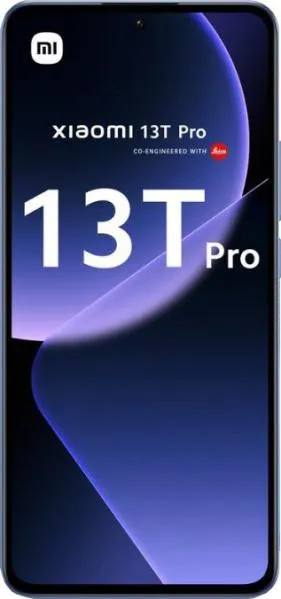
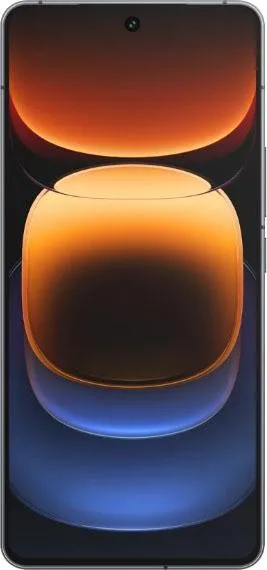
| Feature | Xiaomi 13T Pro | vivo iQOO 12 | Practical Impact |
|---|---|---|---|
| Design | |||
| Dimensions | 162.2 x 75.7 x 8.5 mm | 163.2 x 75.9 x 8.1 mm | Virtually identical in hand feel. iQOO 12 slightly thinner. |
| Weight | 200g | 198.5g | Negligible weight difference. |
| Build Materials | Not specified | Not specified | Cannot compare build quality and durability. |
| Display | |||
| Size | 6.67" | 6.78" | iQOO 12 offers a marginally larger screen. |
| Type | AMOLED, 144Hz | LTPO AMOLED, 144Hz | Both offer smooth scrolling and animations. LTPO on iQOO 12 allows for more granular refresh rate control, potentially saving battery. |
| Resolution | 1220 x 2712 | 1260 x 2800 | Both are sharp; iQOO 12 slightly sharper due to higher resolution and pixel density. |
| Peak Brightness | 2600 nits | 3000 nits | iQOO 12 should be more visible in direct sunlight. |
| Performance | |||
| Chipset | Mediatek Dimensity 9200+ | Qualcomm Snapdragon 8 Gen 3 | Snapdragon 8 Gen 3 generally considered more powerful, especially in GPU performance. Expect smoother gaming and faster processing on the iQOO 12. |
| CPU | Octa-core (1x3.35 GHz X3...) | Octa-core (1x3.3 GHz X4...) | Snapdragon 8 Gen 3 features newer core architecture, likely resulting in better performance and efficiency. |
| GPU | Immortalis-G715 MC11 | Adreno 750 | Adreno 750 expected to offer superior graphics performance in gaming and demanding tasks. |
| RAM | 12GB/16GB | 16GB | More RAM in iQOO 12 base model could improve multitasking and app switching speed. |
| Storage | 512GB/1TB | 512GB/1TB | Similar storage options. |
| Camera | |||
| Details | Not enough information provided | Not enough information provided | Cannot compare camera quality and features. |
| Video | Up to 8K@24fps | Up to 8K@30fps | Both can record high-resolution video; iQOO 12 can record 8K at a higher frame rate. |
| Battery | |||
| Capacity | 5000 mAh | 5000 mAh | Similar battery capacity. Real-world battery life depends on optimization and usage. |
| Charging | Not specified | Not specified | Cannot compare charging speeds. |
2. Key Differences Analysis
Xiaomi 13T Pro Advantages:
- Potentially more affordable (depending on actual pricing).
- Dolby Vision support for enhanced HDR video playback.
vivo iQOO 12 Advantages:
- More powerful Snapdragon 8 Gen 3 processor.
- Brighter display for better outdoor visibility.
- Slightly sharper display.
- More RAM in the base configuration.
- Newer Android OS (Android 14).
- Higher frame rate 8K video recording.
- More efficient LTPO display.
Trade-offs:
- iQOO 12: Potentially higher price.
- Xiaomi 13T Pro: Older processor generation, less bright display.
3. User Profiles & Recommendations
Xiaomi 13T Pro: Users on a tighter budget who prioritize media consumption and value Dolby Vision.
vivo iQOO 12: Users who demand top-tier performance for gaming, multitasking, and demanding applications, and prefer the latest hardware and software. Value a brighter display for outdoor use.
4. Decision Framework
Key Questions:
- What is your budget?
- What are your primary smartphone usage patterns (gaming, media consumption, productivity)?
- How important is peak performance and the latest hardware to you?
Scenario-Based Recommendations:
- Gamer: iQOO 12 for its superior processor and GPU.
- Media Consumer: Xiaomi 13T Pro if Dolby Vision is a priority; otherwise, iQOO 12 for its brighter and sharper display.
- Budget-Conscious User: Xiaomi 13T Pro if pricing is significantly lower.
My Choice: vivo iQOO 12
While lacking comprehensive camera specifications for a complete comparison, the vivo iQOO 12 offers a compelling package with its significantly more powerful Snapdragon 8 Gen 3 processor, brighter display, and more efficient LTPO panel. The performance gains and future-proofing offered by the latest chipset outweigh the potential price difference and the Xiaomi's Dolby Vision support. The newer Android OS is also a plus. Ultimately, the iQOO 12 provides a more well-rounded and future-proof experience for demanding users.
