1. Specifications Comparison
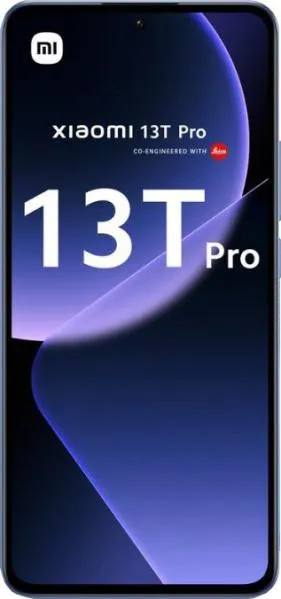
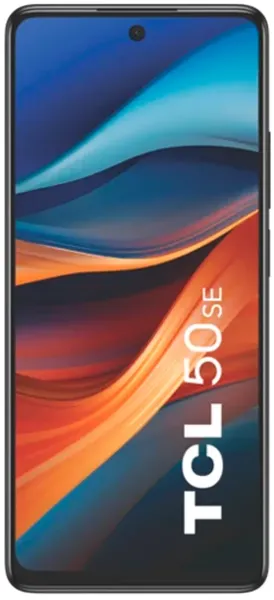
| Feature | Xiaomi 13T Pro | TCL 50 SE | Practical Impact |
|---|---|---|---|
| Design | |||
| Dimensions | 162.2 x 75.7 x 8.5 mm | 168.2 x 75.5 x 8.1 mm | The Xiaomi 13T Pro is slightly shorter, narrower, and thicker. Negligible difference in hand feel. |
| Weight | 200g | 195g | Virtually identical weight; negligible real-world difference. |
| Build Materials | Not specified | Not specified | Unable to compare build quality and durability without more information. |
| Display | |||
| Display Type | AMOLED, 68B colors, 144Hz | IPS LCD, 90Hz | The Xiaomi's AMOLED offers significantly better contrast, color accuracy, and power efficiency. 144Hz allows for much smoother scrolling and animations compared to the TCL's 90Hz. |
| Resolution | 1220 x 2712 | 1080 x 2460 | Higher resolution on the Xiaomi results in sharper text and images. |
| Peak Brightness | 2600 nits | 550 nits (typ) | The Xiaomi will be vastly more visible in direct sunlight. |
| Performance | |||
| Chipset | Mediatek Dimensity 9200+ (4nm) | Mediatek Helio G88 (12nm) | The Dimensity 9200+ provides significantly faster processing speeds, smoother multitasking, and better gaming performance due to its superior architecture and smaller manufacturing process. |
| CPU | Octa-core (1x3.35 GHz Cortex-X3 & 3x3.0 GHz Cortex-A715 & 4x2.0 GHz Cortex-A510) | Octa-core (2x2.0 GHz Cortex-A75 & 6x1.8 GHz Cortex-A55) | The Xiaomi's CPU boasts much more powerful cores, leading to a substantial performance advantage in demanding tasks. |
| GPU | Immortalis-G715 MC11 | Mali-G52 MC2 | The Xiaomi's GPU offers a significant leap in graphical performance, enabling smoother gaming and faster rendering. |
| RAM & Storage | 512GB/12GB, 1000GB/16GB | 256GB/6GB | More RAM and storage options on the Xiaomi offer greater flexibility for power users and content creators. |
| Camera | |||
| Video Capabilities | 8K@24fps, 4K@60fps, ... | 1080p@30fps | Xiaomi offers substantially better video recording capabilities with higher resolutions and frame rates, along with Electronic Image Stabilization (EIS) for smoother footage. Missing detailed camera specs limit a full comparison. |
| Battery | |||
| Capacity | 5000 mAh | 5010 mAh | Negligible difference in battery capacity. Real-world battery life will depend more on software optimization and display efficiency. |
2. Key Differences Analysis
Xiaomi 13T Pro Advantages:
- Significantly superior performance: The Dimensity 9200+ chipset and high refresh rate display provide a vastly smoother and more responsive user experience.
- Much better display: AMOLED with higher resolution, refresh rate, and peak brightness delivers vibrant colors, deep blacks, and excellent outdoor visibility.
- Superior video recording capabilities: Offers higher resolution and frame rate options.
TCL 50 SE Advantages:
- Slightly larger battery: Potentially slightly longer battery life, although real-world usage will vary.
- Potentially Lower Price: While both are in the "medium price" range, the TCL 50 SE likely sits at the lower end.
Trade-offs:
- The Xiaomi 13T Pro's superior performance and display come at a likely higher price.
- The TCL 50 SE prioritizes affordability but compromises heavily on performance and display quality.
3. User Profiles & Recommendations
Xiaomi 13T Pro: Ideal for users who prioritize performance, a high-quality display, and smooth gaming or demanding applications. Suitable for content creators, mobile gamers, and tech enthusiasts.
TCL 50 SE: Best suited for budget-conscious users who primarily use their phones for basic tasks like calling, texting, browsing, and social media. Suitable for users who prioritize affordability over premium features.
4. Decision Framework
Key Questions for Buyers:
- What is your budget? The Xiaomi will likely be more expensive.
- What are your primary phone usage patterns? For basic tasks, the TCL might suffice. For demanding tasks or gaming, the Xiaomi is a better choice.
- How important is display quality to you? The Xiaomi's AMOLED display is a major advantage.
My Choice: Xiaomi 13T Pro
The Xiaomi 13T Pro is the clear winner for me. While potentially more expensive, the significant performance advantage, vastly superior display, and better video recording capabilities make it a much more compelling device. The TCL 50 SE's minor advantages in battery size and potential price savings do not outweigh the substantial compromises in crucial areas like performance and display. I prioritize a smooth and responsive user experience, a high-quality display, and future-proofing my device, making the Xiaomi 13T Pro the better long-term investment. The difference in chipset technology (4nm vs 12nm) alone translates to noticeable improvements in daily usage, battery life, and sustained performance.
