1. Specifications Comparison
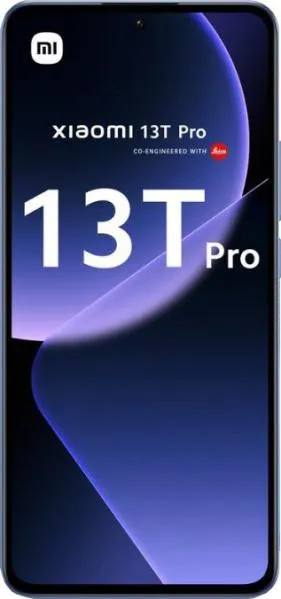
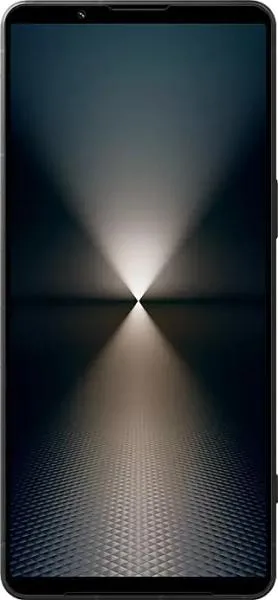
| Feature | Xiaomi 13T Pro | Sony Xperia 1 VI | Practical Impact |
|---|---|---|---|
| Design | |||
| Dimensions | 162.2 x 75.7 x 8.5 mm | 162 x 74 x 8.2 mm | Xperia 1 VI is slightly thinner and narrower, potentially offering a more comfortable grip for some users. |
| Weight | 200g | 192g | Xperia 1 VI is noticeably lighter, reducing hand fatigue during extended use. |
| Build Materials | Not specified | Not specified | Unable to compare build quality and durability without material information. |
| Display | |||
| Display Size | 6.67" | 6.5" | 13T Pro offers a slightly larger display, beneficial for media consumption. |
| Display Type | AMOLED, 144Hz | LTPO OLED, 120Hz | Both offer high refresh rates for smooth scrolling and animations. 13T Pro's higher refresh rate may provide a slightly more responsive feel in supported content. LTPO technology on the Xperia allows for variable refresh rate, potentially saving battery. |
| Resolution | 1220 x 2712 | 1080 x 2340 | 13T Pro has a significantly higher resolution (446 ppi vs 396 ppi), resulting in sharper text and images. |
| Peak Brightness | 2600 nits | Not specified | 13T Pro's exceptionally high peak brightness ensures excellent outdoor visibility. Unable to compare without Xperia's peak brightness data. |
| Performance | |||
| Chipset | Mediatek Dimensity 9200+ | Qualcomm Snapdragon 8 Gen 3 | Both are flagship chipsets promising top-tier performance. Snapdragon 8 Gen 3 is generally considered more powerful based on benchmarks, but real-world differences might be minimal for average users. |
| RAM | 12GB/16GB | 12GB | Both offer ample RAM for smooth multitasking. |
| Storage | 512GB/1000GB | 512GB | 13T Pro offers a 1TB storage option for users needing extensive local storage. |
| Camera | |||
| Video Capabilities | Up to 8K@24fps | Up to 4K@120fps | 13T Pro offers 8K recording, while Xperia offers higher frame rate 4K recording (120fps). The practical benefit of 8K depends on user needs and display devices. Xperia's high frame rate 4K allows for smoother slow-motion footage. |
| Specific Sensor Details | Not specified for either phone | Not specified for either phone | Detailed camera sensor specifications (sensor size, aperture) are crucial for evaluating image quality but are missing. |
| Battery | |||
| Capacity | 5000 mAh | 5000 mAh | Both have identical battery capacities, suggesting similar battery life, though real-world usage varies greatly depending on usage patterns and software optimization. |
2. Key Differences Analysis
Xiaomi 13T Pro Advantages:
- Higher Resolution Display: Sharper visuals and text.
- Higher Peak Brightness: Superior outdoor visibility.
- Higher Refresh Rate: Potentially smoother animations and scrolling (though difference between 120Hz and 144Hz might be imperceptible to some).
- Larger Storage Option: 1TB option caters to users with large storage needs.
- 8K Video Recording: For users who need the highest resolution video.
Sony Xperia 1 VI Advantages:
- Lighter and Slimmer: More comfortable for one-handed use and extended holding.
- Newer Chipset: Potentially faster and more efficient, though real-world differences may be minimal for average tasks.
- Higher Frame Rate 4K Video: Smoother slow-motion capture.
- Side-Mounted Fingerprint Sensor: Some users prefer this placement over in-display sensors.
3. User Profiles & Recommendations
Xiaomi 13T Pro: Users prioritizing display quality (resolution, brightness), needing ample storage, and wanting the option for 8K video recording.
Sony Xperia 1 VI: Users prioritizing a lightweight and compact design, seeking the latest chipset, and needing high-quality slow-motion video capture.
4. Decision Framework
Key Questions for Buyers:
- Is display quality the top priority? If so, the 13T Pro's sharper and brighter display is a significant advantage.
- How important is portability and one-handed use? The Xperia 1 VI's lighter and slimmer design will be more comfortable for extended use.
- What is your budget and storage requirement? While both are in the "medium price" range, specific pricing and the need for 1TB storage could sway the decision.
My Choice: Sony Xperia 1 VI
While the Xiaomi 13T Pro boasts an impressive display, I prioritize a comfortable and pocketable phone for daily use. The Xperia 1 VI's lighter weight and slimmer profile are significant factors for me. The newer Snapdragon 8 Gen 3 chip also offers potential performance and efficiency benefits, although the Dimensity 9200+ is no slouch. While I acknowledge the 13T Pro's superior display metrics, in practical usage, I value the ergonomics and potentially longer battery life offered by the Xperia 1 VI's LTPO display and efficient chipset. Ultimately, the Xperia 1 VI better suits my personal preferences and usage patterns. However, if display quality is the absolute top priority, the 13T Pro is the clear winner.
