1. Specifications Comparison
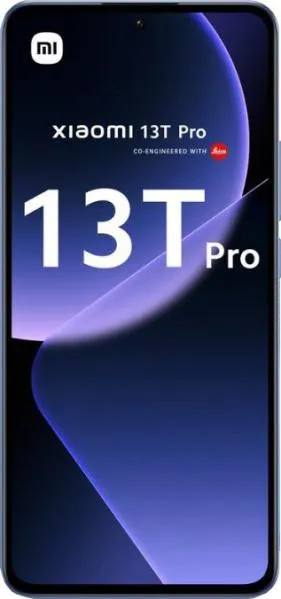
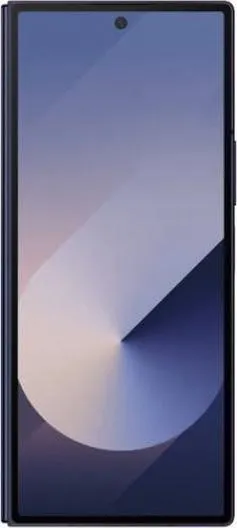
| Feature | Xiaomi 13T Pro | Samsung Galaxy Z Fold6 | Practical Impact |
|---|---|---|---|
| Design | |||
| Dimensions | 162.2 x 75.7 x 8.5 mm | 153.5 x 132.6 x 5.6 mm (Folded) | Fold6 is significantly more compact when folded, but thicker and wider when unfolded. Impacts pocketability and one-handed use. |
| Weight | 200g | 239g | Fold6 is noticeably heavier, potentially impacting comfort during prolonged use. |
| Foldable | No | Yes | Fold6's foldable design offers a larger screen in a smaller form factor, enabling unique multitasking and media consumption experiences. |
| Display | |||
| Size | 6.67 inches | 7.6 inches (Unfolded), ~6.2 inches (Cover) | Fold6 provides a significantly larger main display for immersive experiences, while the 13T Pro offers a more traditional smartphone screen size. |
| Type | AMOLED, 144Hz | Foldable Dynamic AMOLED 2X, 120Hz | Both offer excellent color accuracy and smoothness. 13T Pro's higher refresh rate may result in slightly smoother scrolling and animations, but the Fold6's folding capability is the more impactful differentiator. |
| Peak Brightness | 2600 nits | 2600 nits | Both offer excellent outdoor visibility. |
| Resolution | 1220 x 2712 | 1856 x 2160 (Unfolded), 904 x 2316 (Cover) | Fold6 boasts a sharper display, especially noticeable on the unfolded screen. |
| Performance | |||
| Chipset | Mediatek Dimensity 9200+ | Qualcomm Snapdragon 8 Gen 3 | Both are top-tier chipsets offering flagship performance. Snapdragon 8 Gen 3 generally benchmarks slightly higher. |
| CPU | Octa-core (1x3.35 GHz X3...) | Octa-core (1x3.39 GHz X4...) | Both CPUs offer excellent performance. Real-world differences will likely be minimal for most users. |
| GPU | Immortalis-G715 MC11 | Adreno 750 | Both GPUs are capable of handling demanding games and tasks. Adreno 750 generally provides a slight edge in graphical performance. |
| RAM | 12GB/16GB | 12GB | Both offer ample RAM for smooth multitasking. |
| Battery | |||
| Capacity | 5000 mAh | 4400 mAh | 13T Pro offers a larger battery, potentially translating to longer battery life. However, Fold6's larger display and folding mechanism might increase power consumption. Real-world battery life will depend on usage patterns. |
| Other | |||
| Price Range | Medium | High | Fold6 is significantly more expensive. |
| OS | Android 13 | Android 14 | Fold6 comes with the newer Android version out of the box, likely offering longer software support and newer features. |
2. Key Differences Analysis
Xiaomi 13T Pro Advantages:
- Lower Price: Significantly more affordable.
- Larger Battery: Potentially longer battery life.
- Higher Refresh Rate Display: Smoother scrolling and animations.
Samsung Galaxy Z Fold6 Advantages:
- Foldable Design: Unique form factor for multitasking and media consumption.
- Larger Main Display: More immersive experience.
- Sharper Display: Higher resolution for crisper visuals.
- Newer OS: Longer software updates and new features.
- Slightly More Powerful Chipset: Minor performance advantage in benchmarks.
Trade-offs:
- Fold6: Higher price for foldable technology, smaller battery, potentially shorter battery life.
- 13T Pro: Less innovative design, lower resolution display.
3. User Profiles & Recommendations
Xiaomi 13T Pro: Ideal for users seeking a powerful, affordable smartphone with a great display and long battery life. Excellent for:
- Budget-conscious users: Prioritizing value for money.
- Power users: Demanding tasks and gaming.
- Media consumers: Enjoying videos and movies on a large, vibrant display.
Samsung Galaxy Z Fold6: Ideal for users who value innovation and cutting-edge technology, willing to pay a premium for a unique foldable experience. Excellent for:
- Multitaskers: Running multiple apps simultaneously on a large screen.
- Content creators: Utilizing the foldable screen for unique perspectives and workflows.
- Early adopters: Embracing the latest technology trends.
4. Decision Framework
Key Questions:
- Budget: How much are you willing to spend?
- Form Factor: Do you prioritize a traditional smartphone design or a foldable device?
- Usage: What are your primary smartphone activities (e.g., gaming, multitasking, media consumption)?
Scenario-Based Recommendations:
- Limited budget, prioritizing performance and battery life: Xiaomi 13T Pro
- Desire for a unique, innovative device with a focus on multitasking: Samsung Galaxy Z Fold6
- Focus on media consumption with a large, high-quality display, regardless of cost: Samsung Galaxy Z Fold 6
My Choice: Xiaomi 13T Pro
While the Samsung Galaxy Z Fold6 is undeniably innovative, the Xiaomi 13T Pro offers exceptional value for its price. The combination of a powerful processor, large battery, high refresh rate display, and a significantly lower price point makes it a compelling choice for me. I prioritize performance, battery life, and value for money, and the 13T Pro excels in these areas. The Fold6's foldable form factor, while intriguing, doesn't outweigh the significant price difference and potential battery life trade-off for my personal needs. I am not a heavy multitasker and don't require the unique functionalities offered by a foldable screen. Therefore, the 13T Pro provides a more practical and cost-effective solution for my usage patterns.
