1. Specifications Comparison
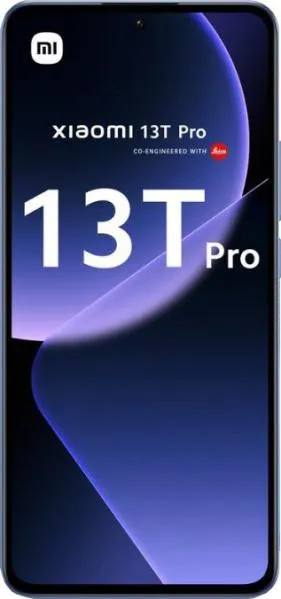
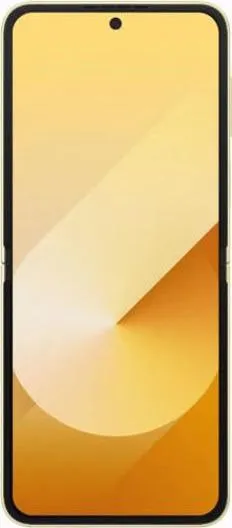
| Feature | Xiaomi 13T Pro | Samsung Galaxy Z Flip6 | Practical Impact |
|---|---|---|---|
| Design | |||
| Dimensions | 162.2 x 75.7 x 8.5 mm | 165.1 x 71.9 x 6.9 mm (folded) | Z Flip6 significantly more compact when folded, easier pocketability. 13T Pro thinner when unfolded. |
| Weight | 200g | 187g | Z Flip6 slightly lighter, reducing hand fatigue. |
| Foldable | No | Yes | Z Flip6 offers unique form factor, compact portability, and novel interactions. |
| Display | |||
| Size | 6.67" | 6.7" | Negligible size difference in unfolded state. |
| Type | AMOLED, 144Hz | Foldable Dynamic AMOLED 2X, 120Hz | 13T Pro's higher refresh rate results in smoother animations and scrolling. Z Flip6's foldable display offers unique functionality. Durability of the folding mechanism is a long-term concern. |
| Resolution | 1220x2712 | 1080x2640 | 13T Pro has a slightly sharper display due to higher resolution. |
| Peak Brightness | 2600 nits | 2600 nits | Both offer excellent outdoor visibility. |
| Performance | |||
| Chipset | Mediatek Dimensity 9200+ | Qualcomm Snapdragon 8 Gen 3 | Both are flagship chipsets, offering top-tier performance. Snapdragon 8 Gen 3 generally considered slightly more powerful based on benchmarks, but real-world difference might be minimal for average users. |
| CPU | Octa-core (1x3.35 GHz Cortex-X3 & 3x3.0 GHz Cortex-A715 & 4x2.0 GHz Cortex-A510) | Octa-core (1x3.39GHz Cortex-X4 & 3x3.1GHz Cortex-A720 & 2x2.9GHz Cortex-A720 & 2x2.2GHz Cortex-A520) | Both CPUs offer excellent performance; differences likely negligible in daily use. |
| GPU | Immortalis-G715 MC11 | Adreno 750 | Both GPUs capable of handling demanding games and tasks. Adreno 750 generally performs better in benchmarks, particularly in sustained gaming performance. |
| RAM/Storage | 12GB/512GB, 16GB/1000GB | 12GB/512GB | 13T Pro offers a 16GB RAM option for potentially smoother multitasking. |
| Battery | |||
| Capacity | 5000 mAh | 4000 mAh | 13T Pro likely offers significantly longer battery life. |
| Camera | Specifications missing for detailed comparison. |
2. Key Differences Analysis
Xiaomi 13T Pro Advantages:
- Higher Refresh Rate Display: Smoother scrolling and animations.
- Larger Battery: Significantly longer battery life.
- More RAM Options: Potential for better multitasking with 16GB option.
- Slightly Sharper Display: More detail in images and text.
Samsung Galaxy Z Flip6 Advantages:
- Foldable Design: Unique portability and form factor.
- Slightly More Powerful Chipset/GPU: Potentially better for demanding games and tasks.
- More Compact When Folded: Significantly easier to pocket.
- Newer OS: Android 14 may offer some feature advantages, although 13T Pro will likely receive updates.
Trade-offs:
- Z Flip6: Shorter battery life and less durable screen due to folding mechanism in exchange for portability.
- 13T Pro: Larger size and lack of foldable novelty in exchange for longer battery life, higher refresh rate, and potentially lower cost.
3. User Profiles & Recommendations
Xiaomi 13T Pro: Ideal for users prioritizing performance, battery life, a smooth display, and value. Suitable for power users, gamers, and those consuming lots of media.
Samsung Galaxy Z Flip6: Ideal for users prioritizing portability, style, and novelty. Best for those who value a compact phone and are willing to compromise on battery life for the foldable form factor.
4. Decision Framework
Key Questions for Buyers:
- How important is portability? If ultimate pocketability is paramount, the Z Flip6 is the clear winner.
- How much do you value battery life? If all-day battery life without charging is essential, the 13T Pro is the better choice.
- Are you willing to pay a premium for a foldable design? The Z Flip6 likely comes at a higher price for its unique form factor.
My Choice: Xiaomi 13T Pro
While the Z Flip6's foldable design is intriguing, I prioritize battery life, a smooth display experience, and value. The 13T Pro's significantly larger battery, higher refresh rate display, and potentially lower price make it the more compelling option for my needs. The performance differences between the two chipsets are likely negligible for my everyday usage, and I prefer the traditional slab phone form factor. The larger screen of the 13T Pro is also beneficial for media consumption and productivity. The potential for a 16GB RAM option further solidifies the 13T Pro as the better choice for my usage patterns.
