1. Specifications Comparison
| Feature | Xiaomi 13T Pro | Samsung Galaxy Tab S9 FE+ | Practical Impact |
|---|---|---|---|
| Design | |||
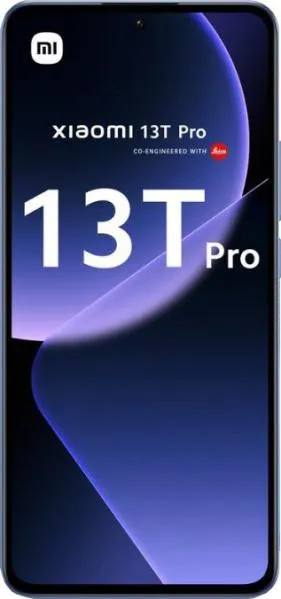
| Dimensions | 162.2 x 75.7 x 8.5 mm | 285.4 x 185.4 x 6.5 mm | The Xiaomi is a typical smartphone size, pocketable and one-hand usable. The Samsung is a large tablet, requiring two hands and a bag for transport. |
| Weight | 200g | 627g | Significant weight difference; the Xiaomi is much more portable for everyday use, while the Samsung is better suited for stationary use. |
| Display | |||
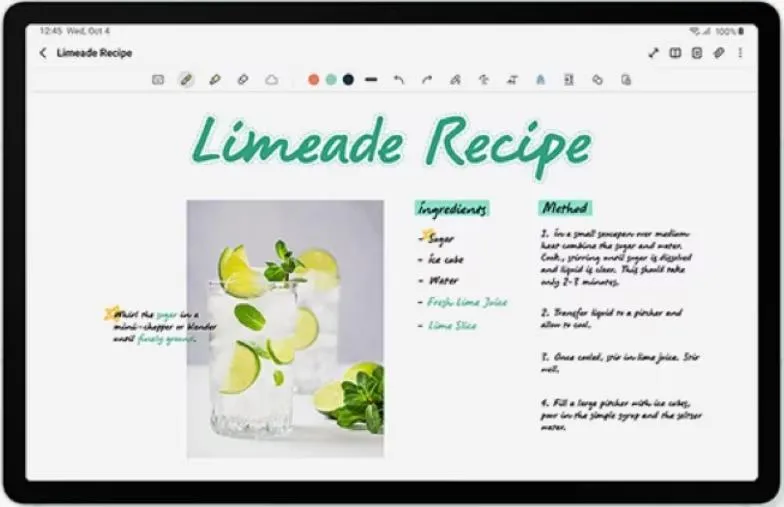
| Size | 6.67" | 12.4" | Larger screen of the Samsung provides more immersive media consumption and multitasking space but sacrifices portability. |
| Type | AMOLED, 144Hz | IPS LCD, 90Hz | Xiaomi's AMOLED offers richer colors, deeper blacks, and higher peak brightness, crucial for outdoor visibility. The higher refresh rate results in smoother animations and scrolling. Samsung's IPS LCD may offer wider viewing angles but lacks the vibrancy of AMOLED. |
| Resolution | 1220 x 2712 | 1600 x 2560 | Comparable pixel density (Xiaomi: 446 ppi, Samsung: 243 ppi) despite the size difference, but the Xiaomi's higher resolution provides sharper text and images. |
| Peak Brightness | 2600 nits | Not specified | Xiaomi's exceptionally high peak brightness ensures excellent outdoor visibility even in direct sunlight. The lack of data for the Samsung makes a direct comparison impossible. |
| Performance | |||
| Chipset | Mediatek Dimensity 9200+ (4nm) | Exynos 1380 (5nm) | The Dimensity 9200+ is generally considered a more powerful chipset, leading to faster app loading, smoother multitasking, and better gaming performance compared to the Exynos 1380. |
| RAM/Storage | 12/512GB, 16/1000GB | 12/256GB | Xiaomi offers more RAM and storage options, catering to power users and ensuring ample space for apps and files. |
| Battery | |||
| Capacity | 5000 mAh | 10090 mAh | Samsung's significantly larger battery capacity likely results in much longer battery life, important for extended use. However, charging time might also increase. |
| Other | |||
| OS | Android 13 | Android 13 | Both run on the latest Android version, offering similar software features. |
| NFC | Yes | No | Xiaomi supports NFC for contactless payments and data transfer, a feature missing in the Samsung tablet. |
2. Key Differences Analysis
Xiaomi 13T Pro Advantages:
- Superior Display: Brighter, more vibrant AMOLED with a faster 144Hz refresh rate.
- Higher Performance: More powerful Dimensity 9200+ chipset.
- More Storage Options: Up to 1TB of storage.
- NFC Functionality: Enables contactless payments.
- Portability: Significantly smaller and lighter.
Samsung Galaxy Tab S9 FE+ Advantages:
- Larger Display: More immersive for media consumption and multitasking.
- Much Larger Battery: Significantly longer battery life.
3. User Profiles & Recommendations
Xiaomi 13T Pro: Ideal for users who prioritize performance, a high-quality display, portability, and features like NFC. Suitable for:
- Power users: Demanding apps, gaming, multitasking.
- Content creators: On-the-go photography and videography.
- Users who value portability: Pocket-friendly and easy to carry.
Samsung Galaxy Tab S9 FE+: Ideal for users who prioritize a large screen for media consumption, productivity, and long battery life. Suitable for:
- Media consumers: Watching movies, reading, browsing.
- Students/Professionals: Note-taking, presentations, multitasking on a larger screen.
- Users who prioritize battery life: Extended use without frequent charging.
4. Decision Framework
Key Questions for Buyers:
- What screen size do you need? Smartphone portability vs. tablet's larger display area.
- How important is performance and a high-quality display? Gaming, demanding apps vs. casual use.
- How much do you value portability and battery life? Everyday carry vs. extended use at home/office.
My Choice: Xiaomi 13T Pro
While the Samsung Galaxy Tab S9 FE+ offers a larger screen and longer battery life, I would choose the Xiaomi 13T Pro. My priorities are a powerful and responsive device with a brilliant display that I can easily carry with me. The Xiaomi's superior AMOLED screen, faster processor, ample storage options, and NFC functionality outweigh the benefits of the larger tablet form factor for my personal use. The portability of the 13T Pro is a crucial factor for me. I often use my phone for mobile photography and gaming, areas where the Xiaomi excels. While the Samsung's larger battery is tempting, I'm willing to compromise on battery life for a more portable and powerful device.
