1. Specifications Comparison
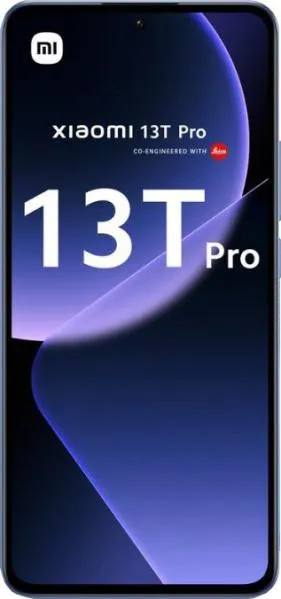
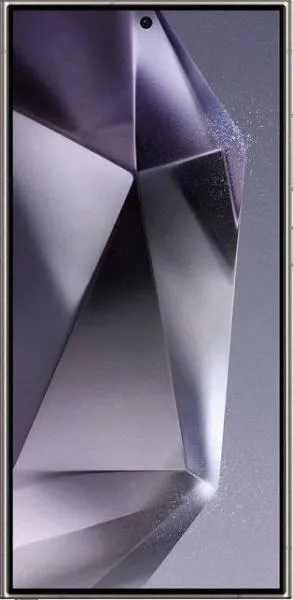
| Feature | Xiaomi 13T Pro | Samsung Galaxy S24 Ultra | Practical Impact |
|---|---|---|---|
| Design | |||
| Dimensions | 162.2 x 75.7 x 8.5 mm | 162.3 x 79 x 8.6 mm | S24 Ultra slightly taller, wider, and thicker; 13T Pro might feel more compact in hand. |
| Weight | 200g | 232g | Noticeable weight difference; 13T Pro significantly lighter for extended use. |
| Display | |||
| Size | 6.67" | 6.8" | S24 Ultra offers a slightly larger viewing area. |
| Type | AMOLED, 144Hz | Dynamic LTPO AMOLED 2X, 120Hz | Both high-quality displays; 13T Pro's higher refresh rate may result in smoother animations, while S24 Ultra's LTPO panel offers better power efficiency by dynamically adjusting refresh rate. |
| Resolution | 1220 x 2712 | 1440 x 3120 | S24 Ultra has a sharper display due to higher resolution and pixel density. |
| Peak Brightness | 2600 nits | 2600 nits | Both offer excellent outdoor visibility with equally high peak brightness. |
| Performance | |||
| Chipset | Mediatek Dimensity 9200+ | Qualcomm Snapdragon 8 Gen 3 | Both are top-tier chipsets; performance differences likely minimal in everyday tasks, though benchmarks might reveal slight variations. |
| CPU | Octa-core (1x3.35 GHz Cortex-X3 & 3x3.0 GHz Cortex-A715 & 4x2.0 GHz Cortex-A510) | Octa-core (1x3.39GHz Cortex-X4 & 3x3.1GHz Cortex-A720 & 2x2.9GHz Cortex-A720 & 2x2.2GHz Cortex-A520) | Both CPUs are powerful; the newer architecture in the Snapdragon might offer marginal performance and efficiency gains. |
| GPU | Immortalis-G715 MC11 | Adreno 750 | Both are high-end GPUs; gaming performance should be excellent on both devices, although specific game optimizations might favor one over the other. |
| RAM/Storage | 12GB/512GB, 16GB/1000GB | 12GB/512GB, 12GB/1000GB | Comparable storage options. 13T Pro offers a 16GB RAM configuration for potentially enhanced multitasking. |
| Battery | |||
| Capacity | 5000 mAh | 5000 mAh | Identical battery capacity; real-world battery life will depend on software optimization and usage patterns. |
| Software | |||
| OS | Android 13 | Android 14 | S24 Ultra ships with the newer Android version and likely longer software support from Samsung. |
| Other | |||
| USB | USB Type-C 2.0 | USB Type-C 3.2 | S24 Ultra offers significantly faster data transfer speeds with USB 3.2. |
2. Key Differences Analysis
Xiaomi 13T Pro Advantages:
- Higher Refresh Rate Display: Smoother scrolling and animations.
- Lighter Weight: More comfortable for extended use.
- Potentially Lower Price: "Medium price" designation suggests it might be more affordable than the S24 Ultra.
Samsung Galaxy S24 Ultra Advantages:
- Sharper Display: Higher resolution and pixel density for more detailed visuals.
- Newer Android Version & Longer Software Support: Access to latest features and security updates for a longer period.
- Faster Data Transfer: USB 3.2 for quicker file transfers.
- Potentially Better Camera: Camera specifications are missing, but Samsung's flagship Ultra line is known for its camera prowess.
3. User Profiles & Recommendations
Xiaomi 13T Pro: Users prioritizing a smooth display, lighter weight, and potentially lower price. Ideal for gamers, media consumers, and those sensitive to phone weight.
Samsung Galaxy S24 Ultra: Users who value the latest software, a sharp display, long-term support, and potentially superior camera capabilities. Suitable for power users, professionals, and photography enthusiasts.
4. Decision Framework
Key Questions:
- What is your budget? The S24 Ultra, being a flagship, is likely more expensive.
- How important is software support and the latest Android features? The S24 Ultra has a clear advantage here.
- Are you sensitive to phone weight and value a smooth display? The 13T Pro excels in these areas.
My Choice: Samsung Galaxy S24 Ultra
While the Xiaomi 13T Pro offers compelling features like a 144Hz display and lighter weight, the Samsung Galaxy S24 Ultra's advantages in software support, potentially superior camera system (assuming it follows the Ultra tradition), sharper display, and faster data transfer outweigh them for me. The longer software updates and newer Android version ensure a more future-proof device, which I prioritize. The slightly heavier weight is a trade-off I'm willing to accept for the overall package offered by the S24 Ultra. Additionally, the faster USB standard is crucial for efficient data transfer in my workflow. While price is a factor, the S24 Ultra's comprehensive feature set makes it a more compelling choice for my needs.
