1. Specifications Comparison
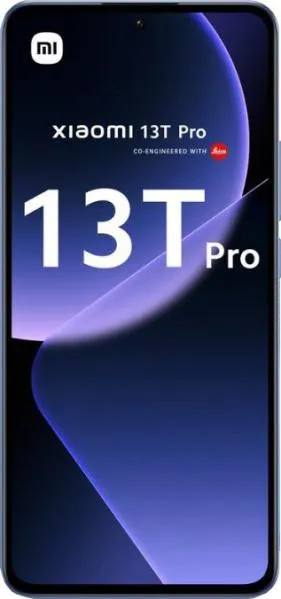
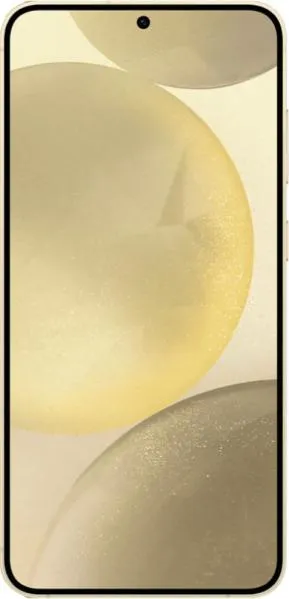
| Feature | Xiaomi 13T Pro | Samsung Galaxy S24+ | Practical Impact |
|---|---|---|---|
| Design | |||
| Dimensions | 162.2 x 75.7 x 8.5 mm | 158.5 x 75.9 x 7.7 mm | S24+ is slightly shorter, narrower, and significantly thinner, making it potentially more pocketable. |
| Weight | 200g | 196g | Negligible weight difference in real-world usage. |
| Build Materials | Not specified | Not specified | Cannot compare build quality and durability without more information. |
| Display | |||
| Size | 6.67" | 6.7" | Virtually identical screen sizes. |
| Type | AMOLED, 144Hz | Dynamic LTPO AMOLED 2X, 120Hz | Both offer excellent displays. 13T Pro's higher refresh rate provides smoother animations and scrolling, while the S24+'s LTPO panel allows for more granular refresh rate adjustments to conserve battery. |
| Resolution | 1220 x 2712 | 1440 x 3120 | S24+ has a sharper display due to higher resolution, resulting in crisper text and images. |
| Peak Brightness | 2600 nits | 2600 nits | Both offer excellent outdoor visibility with equally high peak brightness. |
| Performance | |||
| Chipset | Mediatek Dimensity 9200+ | Qualcomm Snapdragon 8 Gen 3 | Both are flagship-level chipsets promising top-tier performance. Real-world differences may be minor for average users but could be noticeable in demanding tasks or sustained gaming. Benchmark comparisons are needed for a definitive assessment. |
| CPU | Octa-core (1x3.35 GHz X3 & 3x3.0 GHz A715 & 4x2.0 GHz A510) | Octa-core (1x3.39GHz X4 & 3x3.1GHz A720 & 2x2.9GHz A720 & 2x2.2GHz A520) | Both CPUs offer high performance. Architectural differences may lead to variations in specific tasks, requiring further benchmarking analysis. |
| GPU | Immortalis-G715 MC11 | Adreno 750 | Both GPUs are capable of handling demanding games. Real-world gaming performance comparisons are needed. |
| RAM | 12GB/16GB | 12GB | 13T Pro offers a 16GB RAM option for potentially improved multitasking performance, especially beneficial for power users. |
| Storage | 512GB/1TB | 512GB | 13T Pro offers a 1TB storage option, providing more space for apps, media, and files. |
| Battery | |||
| Capacity | 5000 mAh | 4900 mAh | Marginally larger battery in the 13T Pro, but real-world battery life depends on optimization and usage patterns. |
| Software | |||
| OS | Android 13 | Android 14 | S24+ ships with the newer Android version, offering potential feature and security advantages. Xiaomi's update policy will determine how long the 13T Pro receives updates. |
2. Key Differences Analysis
Xiaomi 13T Pro Advantages:
- Higher Refresh Rate Display: Smoother scrolling and animations.
- Larger Storage Option: More space for files and media.
- Larger Battery: Potentially longer battery life.
- Potentially Lower Price: "Medium Price" designation suggests it might be more affordable.
Samsung Galaxy S24+ Advantages:
- Sharper Display: Higher resolution for crisper visuals.
- Newer Android Version: Access to the latest features and security updates.
- More Compact Design: Slightly thinner and easier to handle.
- Potentially Better Camera: Camera specifications are missing, but Samsung generally excels in camera quality. This is speculation and requires further data.
3. User Profiles & Recommendations
Xiaomi 13T Pro: Users prioritizing smooth display performance, large storage, and potentially longer battery life, especially gamers and media consumers sensitive to price.
Samsung Galaxy S24+: Users who value a compact design, a sharp display, the latest software, and potentially a superior camera experience.
4. Decision Framework
Key Questions for Buyers:
- How important is display sharpness versus refresh rate?
- What is your budget and how much storage do you need?
- Do you prioritize the latest software features and updates?
Scenario-Based Recommendations:
- Gamer on a Budget: Xiaomi 13T Pro
- Power User Needing Latest Features: Samsung Galaxy S24+
- Average User Prioritizing Display Quality: Samsung Galaxy S24+
My Choice: Samsung Galaxy S24+
While the Xiaomi 13T Pro offers compelling features like a 144Hz display and larger storage options, I would choose the Samsung Galaxy S24+. The slightly more compact design, sharper display (a personal preference for crisp visuals), newer Android OS with longer-term update support, and anticipated superior camera performance (a common strength of Samsung flagships) outweigh the benefits of the 13T Pro for me. While benchmarks are needed for definitive performance comparisons, the general reputation of Qualcomm's flagship processors and Samsung's optimization also contribute to my decision. Ultimately, the S24+ offers a more well-rounded package that aligns better with my priorities for a premium smartphone experience. I acknowledge the potential price difference, but assuming both are within the "medium price" range, the S24+'s advantages justify the potential extra cost for my personal use.
