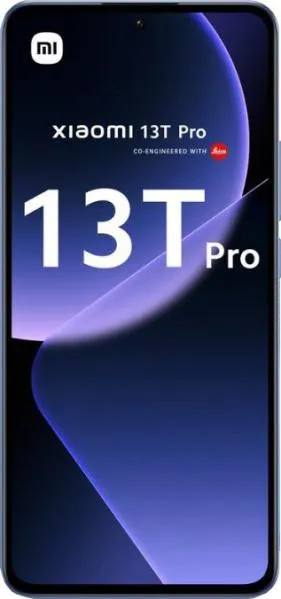
1. Specifications Comparison
| Feature | Xiaomi 13T Pro | Samsung Galaxy S24 FE | Practical Impact |
|---|---|---|---|
| Design | |||
| Dimensions | 162.2 x 75.7 x 8.5 mm | 162 x 77.3 x 8 mm | Xiaomi is slightly narrower and thicker. Negligible difference in hand feel for most users. |
| Weight | 200g | 213g | Xiaomi is noticeably lighter, reducing hand fatigue during extended use. |
| Build | Not specified | Not specified | Build quality impacts durability and premium feel. Lack of information limits comparison. |
| Display | |||
| Size | 6.67" | 6.7" | Virtually identical screen sizes. |
| Type | AMOLED, 144Hz | Dynamic AMOLED 2X, 120Hz | Both offer vibrant colors and deep blacks. Xiaomi's 144Hz offers smoother scrolling and animations, especially noticeable in gaming. Samsung's "2X" likely implies improved brightness and color accuracy but lacks specific details. |
| Resolution | 1220 x 2712 (1.5K) | 1080 x 2340 (FHD+) | Xiaomi's higher resolution provides sharper text and images. Difference may not be noticeable for all users. |
| Peak Brightness | 2600 nits | 1900 nits | Xiaomi offers significantly higher peak brightness, ensuring better visibility in direct sunlight. |
| Performance | |||
| Chipset | Dimensity 9200+ (4nm) | Exynos 2400e (4nm) | Both are high-end chipsets built on a 4nm process, promising excellent performance. Benchmarking data would be needed for a definitive comparison. "e" designation on Exynos suggests a potentially lower-powered variant. |
| CPU | Octa-core (1x3.35 GHz X3...) | 10-core (1x3.1 GHz...) | Xiaomi's CPU configuration features a higher clocked prime core. Core count alone doesn't determine performance; architecture and optimization are crucial. |
| GPU | Immortalis-G715 MC11 | Xclipse 940 | GPU performance impacts gaming and graphically intensive tasks. Requires benchmark comparisons for accurate assessment. |
| RAM | 12GB/16GB | 8GB | Xiaomi offers significantly more RAM, enabling better multitasking and smoother performance with demanding applications. |
| Storage | 512GB/1TB | 256GB/512GB | Xiaomi offers larger storage options. |
| Battery | |||
| Capacity | 5000 mAh | 4700 mAh | Xiaomi offers a larger battery, likely resulting in longer battery life. Real-world usage varies. |
| Camera | |||
| Video Capabilities | Up to 8K@24fps | Up to 8K@30fps | Both offer extensive video recording options. Specific sensor details and image quality comparisons are needed for a comprehensive analysis. Samsung offers higher frame rate 8K recording. |
2. Key Differences Analysis
Xiaomi 13T Pro Advantages:
- Higher Resolution and Refresh Rate Display: Sharper visuals and smoother animations.
- Brighter Display: Enhanced outdoor visibility.
- More RAM: Superior multitasking.
- Larger Battery: Potentially longer battery life.
- Larger Storage Options: Accommodates more apps, photos, and videos.
Samsung Galaxy S24 FE Advantages:
- Newer OS: Android 14 may offer new features and optimizations.
- Potentially Better Camera System: More information needed for accurate assessment. Requires comparison of sensor size, aperture, and image processing capabilities.
- Higher Frame Rate 8K Video: Smoother high-resolution video recording.
Trade-offs:
- Xiaomi's higher resolution and refresh rate may consume more battery.
3. User Profiles & Recommendations
Xiaomi 13T Pro: Ideal for users who prioritize performance, a smooth and sharp display, and long battery life. Suitable for power users, gamers, and content consumers.
Samsung Galaxy S24 FE: Ideal for users who prefer a newer OS and potentially a superior camera system (pending further details). Potentially more budget-friendly depending on final pricing.
4. Decision Framework
Key Questions for Buyers:
- What is your budget? Both phones are in the mid-range, but final pricing will influence the decision.
- What are your primary use cases? (Gaming, photography, content consumption, etc.)
- Which features are most important to you? (Display quality, performance, battery life, camera)
My Choice: Xiaomi 13T Pro
While lacking complete camera specifications for comparison, the Xiaomi 13T Pro offers a compelling combination of performance, display quality, and battery life. The 144Hz refresh rate, higher resolution, and brighter screen significantly enhance the user experience. The larger RAM capacity is crucial for demanding tasks and long-term performance. While the Samsung Galaxy S24 FE boasts a newer OS, the tangible benefits of the 13T Pro's hardware outweigh this advantage for me. The higher frame rate 8K video recording on the S24 FE is attractive, but without more camera detail it's impossible to declare a winner in overall imaging capabilities. Ultimately, the 13T Pro's superior display and performance make it the more compelling choice based on available data.
