1. Specifications Comparison
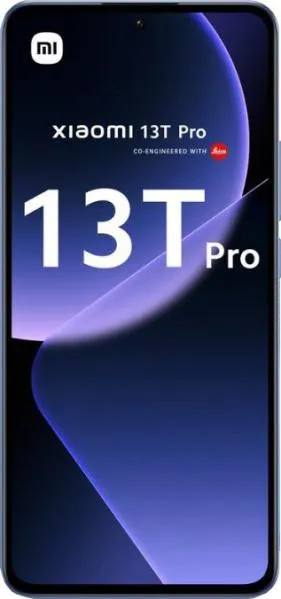
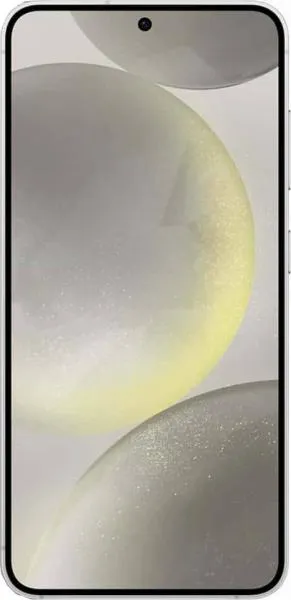
| Feature | Xiaomi 13T Pro | Samsung Galaxy S24 | Practical Impact |
|---|---|---|---|
| Design | |||
| Dimensions | 162.2 x 75.7 x 8.5 mm | 147 x 70.6 x 7.6 mm | The S24 is significantly smaller and thinner, making it more pocketable and easier to handle one-handed. |
| Weight | 200g | 167g | The S24 is noticeably lighter, reducing hand fatigue during extended use. |
| Display | |||
| Size | 6.67" | 6.2" | The 13T Pro offers a larger screen for more immersive media consumption, while the S24's smaller size improves one-handed usability. |
| Type | AMOLED, 144Hz | Dynamic AMOLED 2X, 120Hz | Both offer vibrant colors and deep blacks. The 13T Pro's higher refresh rate results in smoother animations and scrolling, especially noticeable in gaming. |
| Resolution | 1220 x 2712 | 1080 x 2340 | The 13T Pro boasts a sharper display (446 ppi vs 416 ppi), resulting in slightly clearer text and images. However, the difference might not be noticeable in everyday use. |
| Peak Brightness | 2600 nits | 2600 nits | Both offer excellent outdoor visibility. |
| Performance | |||
| Chipset | Dimensity 9200+ (4nm) | Snapdragon 8 Gen 3 (4nm) | Both are top-tier chipsets promising flagship performance. Benchmark comparisons are needed for definitive conclusions on real-world differences. |
| CPU | Octa-core (1x3.35 GHz X3...) | Octa-core (1x3.39 GHz X4...) | Similar core configurations, but architectural differences in the latest generation CPUs might give the Snapdragon 8 Gen 3 a slight edge in performance and efficiency. Real-world testing is necessary for confirmation. |
| GPU | Immortalis-G715 MC11 | Adreno 750 | Gaming performance should be excellent on both, but benchmarks are needed for direct comparison. |
| RAM | 12GB/16GB | 8GB | The 13T Pro offers more RAM, enabling better multitasking and potentially smoother performance with demanding applications. |
| Storage | 512GB/1TB | 256GB/512GB | 13T Pro provides higher storage options for users with extensive media libraries. |
| Battery | |||
| Capacity | 5000 mAh | 4000 mAh | The 13T Pro's larger battery likely translates to significantly longer battery life. |
| Software | |||
| OS | Android 13 | Android 14 | The S24 launches with the latest Android version, offering potential new features and longer software support. |
| Other | |||
| USB | USB Type-C 2.0 | USB Type-C 3.2 | S24 offers significantly faster data transfer speeds with USB 3.2. |
2. Key Differences Analysis
Xiaomi 13T Pro Advantages:
- Larger Display and Higher Refresh Rate: More immersive media consumption and smoother scrolling.
- Larger Battery: Potentially significantly longer battery life.
- More RAM: Better multitasking and smoother performance with demanding apps.
- Higher Storage Options: Accommodates larger media libraries.
Samsung Galaxy S24 Advantages:
- Smaller and Lighter: Easier to handle and carry.
- Latest Android Version: Newer features and potentially longer software updates.
- Faster Data Transfer: USB 3.2 enables quick file transfers.
- Potentially More Powerful CPU: The Snapdragon 8 Gen 3 might offer slightly better performance and efficiency.
3. User Profiles & Recommendations
Xiaomi 13T Pro: Ideal for users who prioritize media consumption, gaming, multitasking, and long battery life. Power users and those who dislike frequent charging would benefit.
Samsung Galaxy S24: Suitable for users who prefer a compact and lightweight phone with a premium feel. Those who value one-handed usability and the latest software would find it appealing.
4. Decision Framework
Key Questions:
- How important is battery life? If it's crucial, the 13T Pro is likely the better choice.
- Do you prioritize a large screen or one-handed usability? Large screen - 13T Pro; One-handed use - S24.
- How important are the latest software features and longer-term updates? If crucial, the S24 with Android 14 is preferable.
My Choice: Xiaomi 13T Pro
While the Samsung Galaxy S24 offers a more compact and arguably more premium design with newer software, the Xiaomi 13T Pro edges out as my choice due to its significantly larger battery, higher refresh rate display for smoother user experience, and more RAM for demanding tasks. The combination of these features outweighs the benefits of the S24 for my personal use case, which prioritizes performance, battery life, and a large, responsive display. The slightly larger size and older Android version are trade-offs I am willing to make for these advantages.
