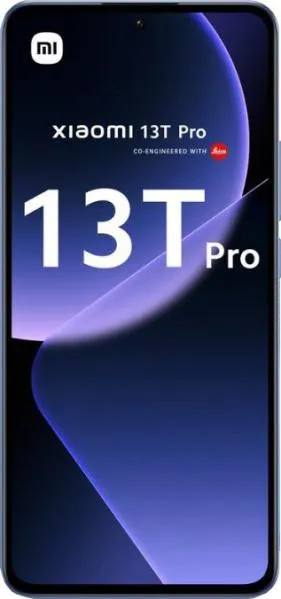
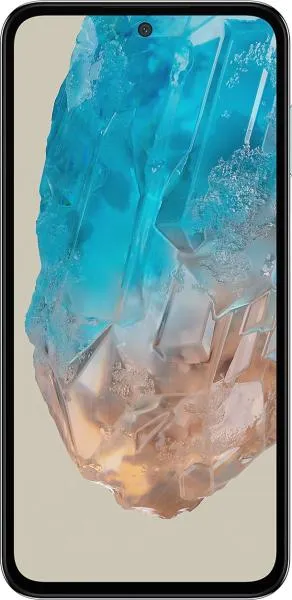
1. Specifications Comparison
| Feature | Xiaomi 13T Pro | Samsung Galaxy M35 | Practical Impact |
|---|---|---|---|
| Design | |||
| Dimensions | 162.2x75.7x8.5mm | 162.3x78.6x9.1mm | The Xiaomi is slightly smaller and thinner, potentially offering a better one-handed grip. |
| Weight | 200g | 222g | The Xiaomi is noticeably lighter, reducing hand fatigue during extended use. |
| Fingerprint Sensor | Under display | Side-mounted | Personal preference, but under-display is generally considered more modern. Side-mounted can be faster and easier to reach for some. |
| Display | |||
| Size | 6.67" | 6.6" | Negligible difference in screen real estate. |
| Type | AMOLED, 144Hz | Super AMOLED, 120Hz | Both offer vibrant colors and deep blacks. The 144Hz refresh rate on the Xiaomi provides smoother animations and scrolling compared to 120Hz on the Samsung. |
| Resolution | 1220x2712 (1.5K) | 1080x2340 (FHD+) | The Xiaomi has a sharper display due to the higher resolution. |
| Peak Brightness | 2600 nits | 1000 nits (No peak brightness specified) | The Xiaomi offers significantly higher peak brightness, ensuring excellent outdoor visibility even in direct sunlight. Lack of peak brightness data for the Samsung makes a comprehensive comparison difficult. |
| Performance | |||
| Chipset | Mediatek Dimensity 9200+ (4 nm) | Exynos 1380 (5 nm) | The Dimensity 9200+ is generally considered a more powerful chipset, leading to better performance in demanding tasks and gaming. |
| CPU | Octa-core (1x3.35 GHz Cortex-X3 & 3x3.0 GHz Cortex-A715 & 4x2.0 GHz Cortex-A510) | Octa-core (4x2.4 GHz Cortex-A78 & 4x2.0 GHz Cortex-A55) | The Xiaomi's CPU configuration suggests superior performance, especially in single-core tasks. |
| GPU | Immortalis-G715 MC11 | Mali-G68 MP5 | The Immortalis-G715 MC11 generally delivers better gaming performance compared to the Mali-G68 MP5. |
| RAM/Storage | 512GB/12GB, 1000GB/16GB | 256GB/8GB | The Xiaomi offers more RAM and storage options, providing smoother multitasking and ample space for apps and files. |
| Camera | |||
| Video Capabilities | Up to 8K@24fps | Up to 4K@30fps | The Xiaomi supports higher resolution video recording (8K) and more frame rate options. |
| Battery | |||
| Capacity | 5000 mAh | 6000 mAh | The Samsung has a larger battery capacity, potentially offering longer battery life. However, real-world battery life depends on various factors, including software optimization and display usage. |
2. Key Differences Analysis
Xiaomi 13T Pro Advantages:
- Superior Performance: More powerful chipset and CPU/GPU configuration. Noticeably smoother performance for demanding tasks and gaming.
- Sharper and Brighter Display: Higher resolution and significantly higher peak brightness result in a better viewing experience, especially outdoors. Higher refresh rate contributes to smoother scrolling and animations.
- More Versatile Camera: Offers 8K video recording and a wider range of frame rate/resolution options.
- Lighter and More Compact: Easier to handle and carry.
Samsung Galaxy M35 Advantages:
- Larger Battery: Potentially longer battery life, though real-world usage will vary.
- Newer Android Version: Ships with Android 14, potentially offering newer features and longer software support. However, Xiaomi is likely to receive updates to newer Android versions.
3. User Profiles & Recommendations
Xiaomi 13T Pro: Ideal for users who prioritize performance, a high-quality display, and versatile camera capabilities. Suitable for gamers, power users, and content creators.
Samsung Galaxy M35: Best suited for users who prioritize battery life and a more affordable price point. A good option for casual users who primarily use their phones for social media, browsing, and communication.
4. Decision Framework
Key Questions for Buyers:
- What is your budget? The Xiaomi 13T Pro is likely to be more expensive.
- What are your primary use cases? Gaming, content creation, or everyday tasks?
- Which features are most important to you? Performance, display quality, battery life, or camera capabilities?
Scenario-Based Recommendations:
- Heavy gamer: Xiaomi 13T Pro
- Photographer/Videographer: Xiaomi 13T Pro
- Casual user on a budget: Samsung Galaxy M35
- User prioritizing long battery life: Samsung Galaxy M35 (but research real-world battery tests first)
My Choice: Xiaomi 13T Pro
While the Samsung Galaxy M35 offers a larger battery and a newer base Android version, the Xiaomi 13T Pro is the clear winner for me. Its superior performance, significantly better display, more versatile camera, and lighter/more compact design outweigh the potential benefits of the Samsung. I prioritize a smooth and responsive user experience, a high-quality display for media consumption, and strong camera capabilities, all of which the Xiaomi delivers. While battery life is important, the significant performance difference and display quality make the Xiaomi 13T Pro a more compelling overall package. I am also willing to pay a potential price premium for these advantages.
