1. Specifications Comparison
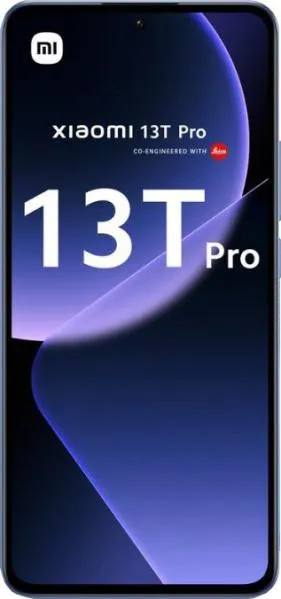
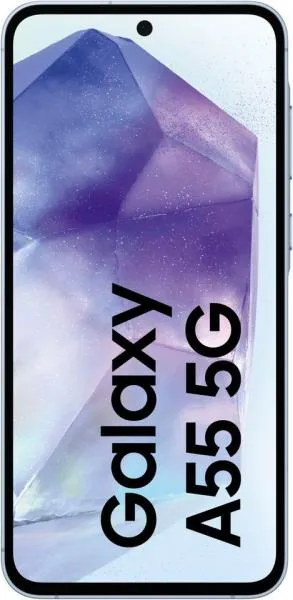
| Feature | Xiaomi 13T Pro | Samsung Galaxy A55 | Practical Impact |
|---|---|---|---|
| Design | |||
| Dimensions | 162.2 x 75.7 x 8.5 mm | 161.1 x 77.4 x 8.2 mm | Xiaomi is slightly taller and narrower, Samsung is a bit thinner. Negligible difference in hand feel. |
| Weight | 200g | 213g | Xiaomi is noticeably lighter, reducing hand fatigue during extended use. |
| Build | Not specified | Not specified | Build quality (materials used) impacts durability and premium feel; information lacking for meaningful comparison. |
| Display | |||
| Size | 6.67" | 6.6" | Negligible difference in screen real estate. |
| Type | AMOLED, 68B colors, 144Hz | Super AMOLED, 120Hz | Both offer vibrant colors and deep blacks. Xiaomi's 144Hz offers smoother animations and scrolling, especially noticeable in gaming. |
| Resolution | 1220 x 2712 | 1080 x 2340 | Xiaomi boasts a sharper display (446 ppi vs 390 ppi), resulting in crisper text and images. |
| Peak Brightness | 2600 nits | 1000 nits | Xiaomi is significantly brighter, ensuring better visibility in direct sunlight. |
| Performance | |||
| Chipset | Mediatek Dimensity 9200+ (4 nm) | Exynos 1480 (4 nm) | Both use a 4nm process, suggesting comparable power efficiency. Dimensity 9200+ is generally considered more powerful, leading to faster app loading, smoother multitasking, and better gaming performance. |
| CPU | Octa-core (1x3.35 GHz Cortex-X3 & 3x3.0 GHz Cortex-A715 & 4x2.0 GHz Cortex-A510) | Octa-core (4x2.75 GHz Cortex-A78 & 4x2.0 GHz Cortex-A55) | Xiaomi's CPU configuration, especially the Cortex-X3 core, suggests significantly better single-core performance. |
| GPU | Immortalis-G715 MC11 | Xclipse 530 | Xiaomi's GPU is expected to provide a significant advantage in graphics-intensive tasks like gaming and video editing. |
| RAM/Storage | 512GB/12GB, 1000GB/16GB | 256GB/8GB, 256GB/12GB | Xiaomi offers more RAM and storage options, beneficial for power users and those who store lots of media. |
| Camera | |||
| Video Capabilities | 8K@24fps, 4K@60fps, 1080p@240fps | 4K@30fps, 1080p@60fps | Xiaomi offers superior video recording capabilities with higher resolution (up to 8K) and frame rates (up to 240fps slow-motion). Specific sensor details are missing for a complete comparison. |
| Battery | |||
| Capacity | 5000 mAh | 5000 mAh | Similar battery capacity suggests comparable battery life, although real-world usage will depend on software optimization and display settings. |
2. Key Differences Analysis
Xiaomi 13T Pro Advantages:
- Superior Performance: Significantly faster CPU and GPU for smoother multitasking, gaming, and demanding applications.
- Sharper and Brighter Display: Higher resolution and peak brightness for better visual clarity in various lighting conditions. Higher refresh rate for smoother scrolling and animations.
- More Advanced Video Recording: Higher resolution and frame rate options for more professional-looking videos.
- More RAM and Storage options: Better for power users and storing large files.
Samsung Galaxy A55 Advantages:
- Potentially Longer Software Support: Launched with a newer Android version (Android 14 vs Android 13) and may receive updates for a longer period, though Samsung's update policies for A-series phones can be variable.
- Slightly Thinner: Though marginally, may be preferable for some users.
3. User Profiles & Recommendations
Xiaomi 13T Pro: Ideal for users who prioritize performance, a high-quality display, and advanced video recording capabilities. Suitable for gamers, content creators, and power users.
Samsung Galaxy A55: More suitable for users who prioritize a balance of features and affordability, potentially longer software updates, and prefer a well-established brand. Best for average users with moderate usage patterns.
4. Decision Framework
Key Questions for Buyers:
- What is your budget and what are your performance needs? The Xiaomi 13T Pro offers significantly better performance at a likely higher price point.
- How important is display quality and brightness to you? The Xiaomi 13T Pro offers a superior display experience.
- Do you frequently record videos? The Xiaomi 13T Pro provides significantly better video recording capabilities.
My Choice: Xiaomi 13T Pro
Reasoning: The Xiaomi 13T Pro offers a significant performance advantage, a noticeably better display, and superior video recording capabilities. While potentially more expensive, the value proposition leans heavily towards the 13T Pro for my usage. I prioritize a smooth user experience, high-quality visuals, and the ability to capture high-quality videos. While software updates are important, the performance and feature differences of the 13T Pro outweigh the potential for longer updates on the A55. The lighter weight is also a significant factor for comfortable daily use.
