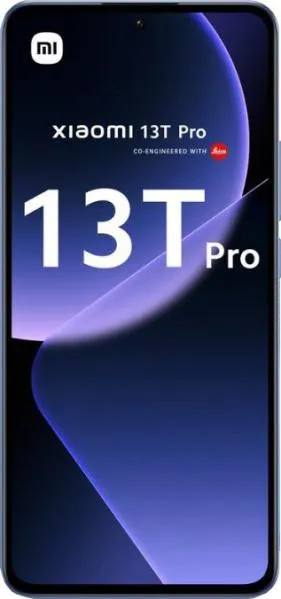
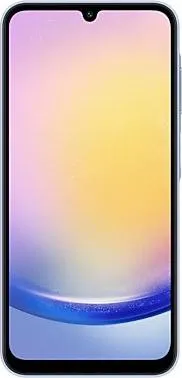
1. Specifications Comparison
| Feature | Xiaomi 13T Pro | Samsung Galaxy A25 | Practical Impact |
|---|---|---|---|
| Design | |||
| Dimensions | 162.2 x 75.7 x 8.5 mm | 161 x 76.5 x 8.3 mm | Virtually identical in size; negligible difference in hand feel. |
| Weight | 200g | 197g | Negligible weight difference. |
| Fingerprint Sensor | Under-display | Side-mounted | Preference-based; under-display feels more modern, side-mounted can be faster. |
| Display | |||
| Size | 6.67" | 6.5" | 13T Pro offers slightly larger screen real estate. |
| Type | AMOLED, 144Hz | Super AMOLED, 120Hz | Both offer vibrant colors and deep blacks; 13T Pro's higher refresh rate provides smoother animations and scrolling. |
| Resolution | 1220 x 2712 | 1080 x 2340 | 13T Pro has a sharper display with higher pixel density (446 ppi vs 396 ppi), resulting in clearer text and images. |
| Peak Brightness | 2600 nits | 1000 nits (HBM), Unknown Peak | 13T Pro is significantly brighter, ensuring better visibility outdoors. Missing peak brightness for A25 limits comparison. |
| Performance | |||
| Chipset | Mediatek Dimensity 9200+ (4nm) | Exynos 1280 (5nm) | 9200+ is a significantly more powerful chipset, leading to faster performance in demanding tasks and gaming. |
| CPU | Octa-core (1x3.35 GHz X3 & 3x3.0 GHz A715 & 4x2.0 GHz A510) | Octa-core (2x2.4 GHz A78 & 6x2.0 GHz A55) | 13T Pro's CPU architecture is more powerful and efficient. |
| GPU | Immortalis-G715 MC11 | Mali-G68 | 13T Pro's GPU offers superior graphics performance for gaming and visually intensive applications. |
| RAM/Storage | 512GB/12GB, 1000GB/16GB | 256GB/8GB | 13T Pro offers more RAM and storage options for smoother multitasking and ample file storage. |
| Camera | |||
| Video Capabilities | Up to 8K@24fps | Up to 4K@30fps | 13T Pro offers significantly better video recording capabilities with higher resolution and frame rate options. |
| Battery | |||
| Capacity | 5000 mAh | 5000 mAh | Similar battery capacity; real-world battery life will depend on usage and optimization. |
2. Key Differences Analysis
Xiaomi 13T Pro Advantages:
- Significantly higher performance: The Dimensity 9200+ outperforms the Exynos 1280 in CPU and GPU performance, leading to a smoother and faster experience, especially in demanding tasks and gaming.
- Superior display: Brighter, sharper, and smoother with a higher refresh rate.
- More advanced video recording: 8K resolution and higher frame rate options.
- More RAM and Storage: Better for multitasking and storing large files.
Samsung Galaxy A25 Advantages:
- Potentially Lower Price: While both are mid-range, the A25 is likely more affordable.
- Latest Android Version: Ships with Android 14, offering potential software advantages.
Trade-offs:
- The 13T Pro prioritizes performance and display quality but might come at a higher price.
- The A25 compromises on performance and features but could offer better value for budget-conscious users.
3. User Profiles & Recommendations
Xiaomi 13T Pro: Users who prioritize performance, a high-quality display, and advanced camera features. Ideal for gamers, power users, and content creators.
Samsung Galaxy A25: Users on a tighter budget who prioritize basic functionality and a long-lasting battery. Suitable for casual users, social media browsing, and light gaming.
4. Decision Framework
Key Questions for Buyers:
- What is your budget? The 13T Pro is likely more expensive.
- What are your primary use cases? Gaming, content creation, or basic tasks?
- How important is display quality and performance?
Scenario-Based Recommendations:
- Gamer: Xiaomi 13T Pro for its superior performance and smoother display.
- Budget-conscious user: Samsung Galaxy A25 for its affordability and essential features.
- Photographer/Videographer: Xiaomi 13T Pro for its advanced camera capabilities.
My Choice: Xiaomi 13T Pro
While lacking specific pricing information, the significant performance advantages, superior display, and enhanced camera capabilities of the Xiaomi 13T Pro outweigh the potential price difference for me. I prioritize a smooth and responsive user experience, especially for demanding tasks and gaming. The brighter, sharper display with a 144Hz refresh rate significantly enhances daily usage and media consumption. The 13T Pro's future-proofing aspects, thanks to its powerful hardware and ample RAM/storage, make it a more compelling long-term investment. While the Samsung Galaxy A25 offers a decent package for basic users, it lacks the performance and features I value in a smartphone.
