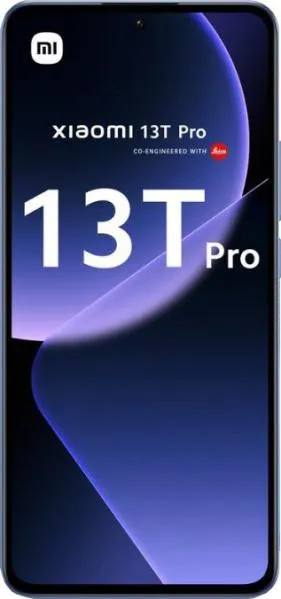
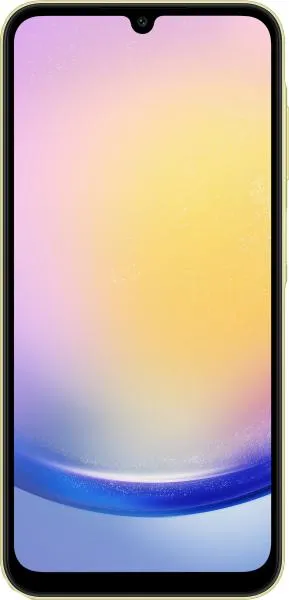
1. Specifications Comparison
| Feature | Xiaomi 13T Pro | Samsung Galaxy A15 | Practical Impact |
|---|---|---|---|
| Design | |||
| Dimensions | 162.2 x 75.7 x 8.5 mm | 160.1 x 76.8 x 8.4 mm | Virtually identical in size and feel. |
| Weight | 200g | 200g | Same weight, no noticeable difference in hand. |
| Build Materials | Not specified | Not specified | Cannot compare build quality and durability. |
| Display | |||
| Size | 6.67" | 6.5" | Slightly larger screen on the Xiaomi offers more immersive content consumption. |
| Type | AMOLED, 144Hz | Super AMOLED, 90Hz | Xiaomi's 144Hz display provides significantly smoother scrolling and animations, especially noticeable in gaming and fast-paced content. |
| Resolution | 1220 x 2712 | 1080 x 2340 | Xiaomi offers a sharper display with higher pixel density (446 ppi vs 396 ppi), resulting in crisper text and images. |
| Peak Brightness | 2600 nits | 800 nits (HBM) | The Xiaomi's display is dramatically brighter, ensuring excellent outdoor visibility even in direct sunlight. |
| Performance | |||
| Chipset | Mediatek Dimensity 9200+ (4nm) | Mediatek Helio G99 (6nm) | The Dimensity 9200+ is a flagship-level processor, significantly more powerful than the mid-range Helio G99. Expect much faster performance in demanding tasks and games on the Xiaomi. |
| CPU | Octa-core (1x3.35 GHz Cortex-X3 & 3x3.0 GHz Cortex-A715 & 4x2.0 GHz Cortex-A510) | Octa-core (2x2.2 GHz Cortex-A76 & 6x2.0 GHz Cortex-A55) | Xiaomi's CPU architecture is superior, leading to faster processing speeds and better multi-tasking capabilities. |
| GPU | Immortalis-G715 MC11 | Mali-G57 MC2 | The Immortalis-G715 is a much more powerful GPU, delivering significantly better gaming performance and smoother graphics rendering on the Xiaomi. |
| RAM | 12GB/16GB | 6GB/8GB | More RAM on the Xiaomi allows for smoother multitasking and better performance with demanding applications. |
| Storage | 512GB/1000GB | 128GB/256GB | Xiaomi offers significantly more storage for apps, photos, and videos. |
| Camera | |||
| Video Capabilities | 8K@24fps, 4K@60fps, ... | 1080p@30fps | Xiaomi offers vastly superior video recording capabilities, including higher resolution (up to 8K) and frame rates (up to 240fps in 1080p). |
| Specific Sensor details | Missing | Missing | Cannot compare image quality, low-light performance, and other camera features due to lack of sensor information. |
| Battery | |||
| Capacity | 5000 mAh | 5000 mAh | Similar battery capacity, though real-world battery life will depend on software optimization and usage patterns. |
2. Key Differences Analysis
Xiaomi 13T Pro Advantages:
- Significantly more powerful: The Dimensity 9200+ and superior GPU provide a substantial performance advantage for demanding tasks and gaming.
- Much smoother and brighter display: The 144Hz AMOLED with 2600 nits peak brightness delivers a superior visual experience.
- Superior video recording capabilities: Offers up to 8K recording and higher frame rates.
- More RAM and Storage: Provides a smoother user experience and ample space for files.
Samsung Galaxy A15 Advantages:
- Potentially longer software support: Launching with Android 14 might mean longer OS updates compared to the Xiaomi with Android 13. This is speculative, however, as manufacturers' update policies vary.
- Potentially lower price: Although both are in the "medium price" range, the A15 is likely positioned at the lower end of this spectrum. Specific pricing would be needed to confirm.
3. User Profiles & Recommendations
Xiaomi 13T Pro: Ideal for users who prioritize performance, a premium display, and advanced video recording capabilities. Suitable for gamers, power users, and content creators.
Samsung Galaxy A15: Suitable for users who prioritize basic smartphone functionality, a long-lasting battery, and a potentially lower price point. Good for casual users who primarily use their phones for communication, social media, and light browsing.
4. Decision Framework
Key Questions for Buyers:
- What is your budget? Determine how much you're willing to spend.
- What are your primary smartphone needs? Prioritize performance, display quality, camera features, or battery life.
- How important is future-proofing? Consider factors like software updates and performance headroom.
Scenario-Based Recommendations:
- Gamer: Xiaomi 13T Pro for its superior performance and high refresh rate display.
- Casual User: Samsung Galaxy A15 if budget is a primary concern and needs are basic.
- Content Creator: Xiaomi 13T Pro for its advanced video recording capabilities and powerful processor.
My Choice: Xiaomi 13T Pro
I would choose the Xiaomi 13T Pro. While lacking specific pricing information, the substantial performance advantage, superior display, and greater storage/RAM make it a compelling choice. The benefits in terms of user experience, especially for demanding tasks and media consumption, outweigh the potential benefits of the Samsung Galaxy A15. The 144Hz display and powerful chipset alone provide a significantly better user experience for day-to-day use and future-proof the device for longer. The lack of detailed camera specifications makes a complete camera comparison impossible, but the video recording capabilities of the Xiaomi are clearly superior based on the available data. Even if the A15 offers slightly longer software updates, the superior hardware of the 13T Pro will likely age better overall.
