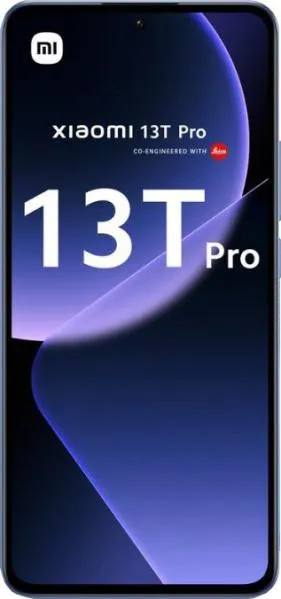
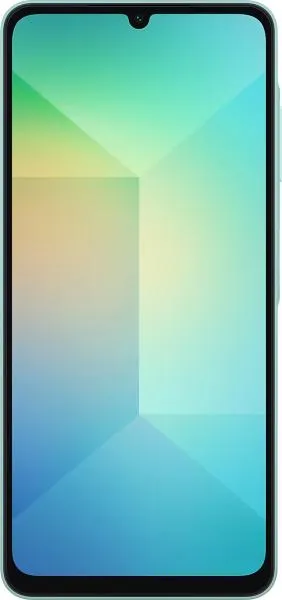
1. Specifications Comparison
| Feature | Xiaomi 13T Pro | Samsung Galaxy A06 | Practical Impact |
|---|---|---|---|
| Design | |||
| Dimensions | 162.2 x 75.7 x 8.5 mm | 167.3 x 77.3 x 8.0 mm | The A06 is slightly larger and may feel less comfortable in smaller hands. |
| Weight | 200g | 189g | The A06 is slightly lighter, but the difference is negligible in real-world use. |
| Build | Unspecified | Unspecified | Build materials impact durability and premium feel, but information is missing. |
| Display | |||
| Size | 6.67" | 6.7" | Negligible size difference. |
| Type | AMOLED, 144Hz | PLS LCD | The 13T Pro's AMOLED offers significantly better contrast, colors, and viewing angles. The 144Hz refresh rate provides a much smoother and more responsive experience. |
| Resolution | 1220 x 2712 | 720 x 1600 | The 13T Pro has a much sharper and more detailed display. The A06's lower resolution will result in pixelation and less clarity. |
| Peak Brightness | 2600 nits | Unspecified | The 13T Pro's exceptional peak brightness ensures excellent outdoor visibility. The A06's unspecified brightness may struggle in sunlight. |
| Performance | |||
| Chipset | Mediatek Dimensity 9200+ (4nm) | Mediatek Helio G85 (12nm) | The 9200+ is significantly more powerful, enabling much faster performance, smoother multitasking, and better gaming capabilities. |
| CPU | Octa-core (1x3.35 GHz Cortex-X3 & 3x3.0 GHz Cortex-A715 & 4x2.0 GHz Cortex-A510) | Octa-core (2x2.0 GHz Cortex-A75 & 6x1.8 GHz Cortex-A55) | The 13T Pro's CPU architecture and higher clock speeds translate to a significantly faster and more responsive user experience. |
| GPU | Immortalis-G715 MC11 | Mali-G52 MC2 | The 13T Pro's GPU offers drastically better graphics performance for demanding games and applications. |
| RAM | 12GB/16GB | 6GB | More RAM on the 13T Pro allows for seamless multitasking and smoother performance with demanding applications. |
| Storage | 512GB/1000GB | 128GB | The 13T Pro offers significantly more storage for apps, photos, and videos. |
| Camera | |||
| Video Capabilities | Up to 8K@24fps | Up to 1080p@60fps | The 13T Pro offers superior video recording capabilities with higher resolution and frame rates. |
| Details | Missing detailed camera specs for both phones. | Missing detailed camera specs for both phones. | Cannot compare image quality, features, or sensor performance without specific details. |
| Battery | |||
| Capacity | 5000 mAh | 5000 mAh | Similar battery capacity suggests comparable battery life, but real-world usage may vary due to different processors and displays. |
2. Key Differences Analysis
Xiaomi 13T Pro Advantages:
- Significantly more powerful: Superior chipset, CPU, and GPU for faster performance across all tasks.
- Much better display: AMOLED with higher resolution, refresh rate, and peak brightness delivers a superior visual experience.
- More RAM and Storage: Enables smoother multitasking and ample space for files.
- Superior video recording capabilities: Offers higher resolution and frame rates.
Samsung Galaxy A06 Advantages:
- Lower price: Belongs to a lower price range, making it more budget-friendly.
- Slightly lighter: Negligible difference in real-world use.
Trade-offs: The A06 sacrifices performance, display quality, and features for affordability. The 13T Pro prioritizes performance and premium features at a higher price point.
3. User Profiles & Recommendations
Xiaomi 13T Pro: Ideal for users who prioritize performance, a high-quality display, smooth multitasking, gaming, and demanding applications. Excellent for content creators and power users.
Samsung Galaxy A06: Suitable for budget-conscious users with basic needs like calling, texting, browsing, and social media. Not recommended for demanding tasks or users who prioritize a premium experience.
4. Decision Framework
Key Questions:
- What is your budget? The A06 is significantly more affordable.
- What are your primary smartphone usage patterns? Demanding tasks require the 13T Pro's power.
- How important is display quality and performance? The 13T Pro excels in these areas.
Scenario-based Recommendations:
- Limited Budget, Basic Use: Samsung Galaxy A06
- Prioritize Performance and Display: Xiaomi 13T Pro
My Choice: Xiaomi 13T Pro
While the Samsung Galaxy A06 is more budget-friendly, the Xiaomi 13T Pro is the clear winner for me. The significantly superior processor, stunning display with a 144Hz refresh rate, ample RAM and storage, and enhanced video capabilities make it a much more compelling device. I prioritize a smooth and responsive user experience, high-quality visuals, and the ability to handle demanding tasks, making the 13T Pro a better fit for my needs. The price difference is justified by the substantial performance and feature gap.
