1. Specifications Comparison
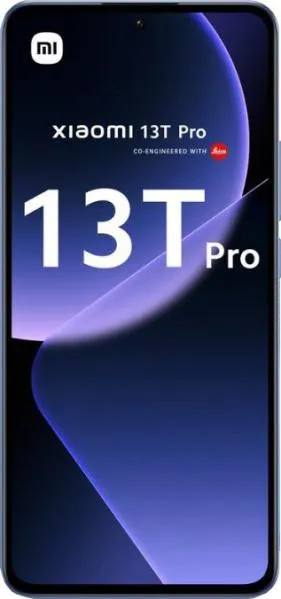
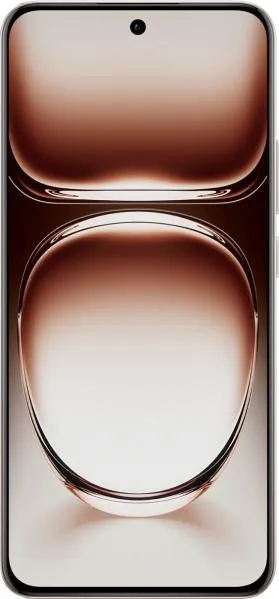
| Feature | Xiaomi 13T Pro | Oppo Reno12 | Practical Impact |
|---|---|---|---|
| Design | |||
| Dimensions | 162.2 x 75.7 x 8.5 mm | 161.4 x 74.1 x 7.6 mm | Oppo Reno12 is slightly smaller and thinner, potentially offering a better hand feel for some users. |
| Weight | 200g | 177g | Oppo Reno12 is noticeably lighter, reducing fatigue during extended use. |
| Display | |||
| Size | 6.67" | 6.7" | Negligible size difference in practical usage. |
| Type | AMOLED, 68B colors, 144Hz | AMOLED, 1B colors, 120Hz | Xiaomi offers a significantly smoother and more vibrant display with higher color depth and refresh rate. This results in a more responsive and visually appealing experience, especially for gaming and fast-paced content. |
| Resolution | 1220 x 2712 | 1080 x 2412 | Xiaomi has a sharper display due to higher resolution, resulting in clearer text and images. |
| Peak Brightness | 2600 nits | 1200 nits | Xiaomi's display will be significantly more visible in direct sunlight. |
| Performance | |||
| Chipset | Mediatek Dimensity 9200+ (4 nm) | Mediatek Dimensity 7300 Energy (4 nm) | The Dimensity 9200+ in the Xiaomi is a significantly more powerful chipset, offering superior performance in demanding tasks like gaming and multitasking. |
| CPU | Octa-core (1x3.35 GHz Cortex-X3 & 3x3.0 GHz Cortex-A715 & 4x2.0 GHz Cortex-A510) | Octa-core (4x2.5 GHz Cortex-A78 & 4x2.0 GHz Cortex-A55) | The Xiaomi's CPU architecture is more modern and powerful, resulting in faster app loading, smoother performance, and better overall responsiveness. |
| GPU | Immortalis-G715 MC11 | Mali-G615 MC2 | The Xiaomi's GPU offers significantly better graphics performance, crucial for gaming and graphically intensive applications. |
| RAM/Storage | 512GB/12GB, 1000GB/16GB | 512GB/12GB | Xiaomi offers a 1TB storage option for users needing extensive local storage. |
| Camera | |||
| Video Capabilities | Up to 8K@24fps | Up to 4K@30fps | Xiaomi offers higher resolution video recording (8K) and more frame rate options, providing greater flexibility for content creation. |
| Missing Information We lack detailed camera sensor specifications (e.g., megapixels, aperture) for both phones, limiting a comprehensive camera comparison. | |||
| Battery | |||
| Capacity | 5000 mAh | 5000 mAh | Both phones have the same battery capacity, but real-world battery life will depend on software optimization and usage patterns. |
2. Key Differences Analysis
Xiaomi 13T Pro Advantages:
- Significantly superior performance: The Dimensity 9200+ and Immortalis-G715 MC11 GPU provide a substantial performance advantage for demanding tasks and gaming.
- Much better display: Higher resolution, refresh rate, peak brightness, and color depth deliver a superior visual experience.
- More versatile video recording: 8K recording and broader frame rate options cater to content creators.
Oppo Reno12 Advantages:
- Lighter and slightly smaller: Offers a potentially more comfortable in-hand feel.
Trade-offs:
- The Xiaomi 13T Pro's superior performance and display come at the cost of a slightly larger and heavier build.
3. User Profiles & Recommendations
Xiaomi 13T Pro: Ideal for power users, gamers, content creators, and those prioritizing performance and a premium display experience.
Oppo Reno12: Suitable for users prioritizing a lightweight and compact phone for everyday tasks, and who are less demanding of peak performance or display quality.
4. Decision Framework
Key Questions for Buyers:
- What is your budget and how important is performance? The Xiaomi 13T Pro likely commands a higher price for its superior specs.
- What kind of tasks do you primarily use your phone for? Gamers and power users will benefit greatly from the Xiaomi's extra power. Casual users might find the Oppo sufficient.
- Do you prioritize display quality or portability? The Xiaomi has a markedly better display, while the Oppo is lighter and smaller.
My Choice: Xiaomi 13T Pro
While the Oppo Reno12 offers a lighter build, the Xiaomi 13T Pro's significantly superior performance, vastly improved display, and more versatile video capabilities make it the clear winner for me. I prioritize a smooth and responsive user experience, especially for gaming and media consumption, and the Xiaomi's hardware delivers that. The slightly larger size and weight are a reasonable trade-off for the substantial gains in performance and display quality. The ability to record in 8K is a bonus for future-proofing content creation. Even without knowing the exact camera sensor specifications, the overall package offered by the Xiaomi 13T Pro is far more compelling.
