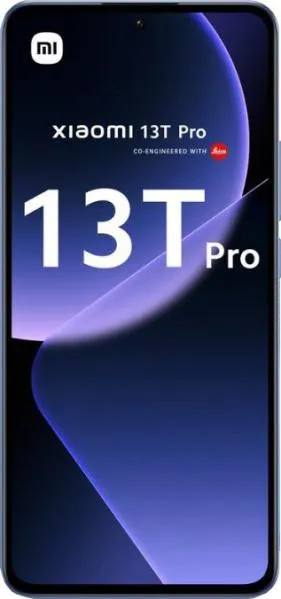
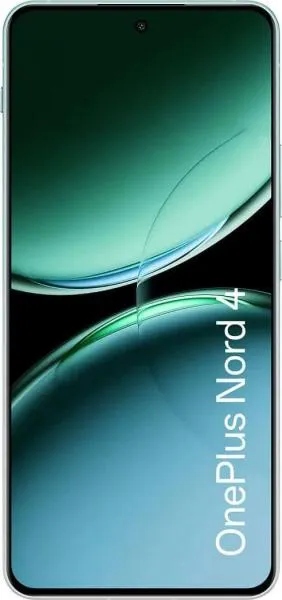
1. Specifications Comparison
| Feature | Category | Xiaomi 13T Pro | OnePlus Nord 4 | Practical Impact |
|---|---|---|---|---|
| Dimensions | Design | 162.2 x 75.7 x 8.5 mm | 162.6 x 75 x 8 mm | Virtually identical in size and feel. |
| Weight | Design | 200g | 199.5g | Negligible weight difference. |
| Build | Design | Build materials are not specified for either phone, limiting comparison. | ||
| Display Type | Display | AMOLED, 68B colors | Fluid AMOLED, 1B colors | The Xiaomi's 68B color display offers significantly more color accuracy and smoother gradients, especially noticeable in professional photo/video editing or for users sensitive to color nuances. |
| Display Size | Display | 6.67" | 6.74" | Minimal difference in screen real estate. |
| Resolution | Display | 1220 x 2712 | 1240 x 2772 | Both offer sharp, detailed visuals; the OnePlus has a slightly higher pixel density (450 vs 446 ppi), but the difference is imperceptible in real-world use. |
| Refresh Rate | Display | 144Hz | 120Hz | The Xiaomi's 144Hz refresh rate provides smoother animations and scrolling compared to 120Hz, particularly noticeable in fast-paced games. |
| Peak Brightness | Display | 2600 nits | 2150 nits | The Xiaomi's significantly higher peak brightness ensures better outdoor visibility in direct sunlight. |
| Chipset | Performance | Mediatek Dimensity 9200+ (4 nm) | Qualcomm Snapdragon 7+ Gen 3 (4 nm) | Both are high-performance chipsets; benchmarks are needed for definitive comparison. |
| CPU | Performance | Octa-core (1x3.35 GHz Cortex-X3 & 3x3.0 GHz Cortex-A715 & 4x2.0 GHz Cortex-A510) | Octa-core (1x2.8 GHz Cortex-X4 & 4x2.6 GHz Cortex-A720 & 3x1.9 GHz Cortex-A520) | CPU architecture differences exist; real-world performance depends on optimization and specific tasks. |
| GPU | Performance | Immortalis-G715 MC11 | Adreno 732 | GPU performance differences are unclear without benchmarks. |
| RAM/Storage | Performance | 512GB/12GB, 1000GB/16GB | 512GB/16GB | Xiaomi offers a 12GB RAM option, potentially beneficial for multitasking; both offer ample storage. |
| Battery Capacity | Battery | 5000 mAh | 5500 mAh | The OnePlus offers a larger battery capacity, potentially translating to longer battery life. Real-world usage and optimization play a significant role. |
| Main Camera | Camera | Not specified | Not specified | Camera comparison is impossible without sensor details and aperture information. |
| Video Capabilities | Camera | 8K@24fps, 4K@ up to 60fps, 1080p@ up to 240fps | 4K@ up to 60fps, 1080p@ up to 120fps | The Xiaomi offers 8K video recording and higher slow-motion capabilities (240fps vs 120fps). |
| OS | Software | Android 13 | Android 14 | OnePlus launches with a newer Android version, offering potential feature advantages and longer software support. |
2. Key Differences Analysis
Xiaomi 13T Pro Advantages:
- Superior Display: Higher refresh rate (144Hz), significantly brighter (2600 nits peak), and wider color gamut (68B colors). This translates to a smoother, more vibrant, and easily viewable display in various conditions.
- More Versatile Video Recording: Offers 8K recording and higher slow-motion frame rates.
OnePlus Nord 4 Advantages:
- Larger Battery: 5500mAh battery suggests potentially longer battery life.
- Newer OS: Ships with Android 14, potentially offering newer features and longer-term software updates.
3. User Profiles & Recommendations
Xiaomi 13T Pro: Ideal for users prioritizing a premium display experience, smooth performance in demanding games, and versatile video recording capabilities. (e.g., mobile gamers, content creators)
OnePlus Nord 4: Suitable for users who prioritize battery life and having the latest Android features. (e.g., general users, social media enthusiasts)
4. Decision Framework
Key Questions:
- How important is display quality? Prioritize the Xiaomi if a vibrant, smooth, and bright display is crucial.
- How much do you value battery life? The OnePlus's larger battery might be preferable if longer usage between charges is paramount.
- What is your budget and feature prioritization? Consider the price difference (if any) and which features align best with your needs.
My Choice: Xiaomi 13T Pro
While the OnePlus Nord 4 offers a larger battery and newer OS, the Xiaomi 13T Pro's significantly superior display is the deciding factor for me. The 144Hz refresh rate, 2600 nits peak brightness, and 68B color depth offer a tangible improvement in visual experience that I would prioritize over a slightly larger battery. The Xiaomi also offers more versatile video recording capabilities. The difference in OS versions is less critical as Android updates can vary in timing and features. Ultimately, the Xiaomi 13T Pro offers a more premium user experience in areas I value most.
