1. Specifications Comparison
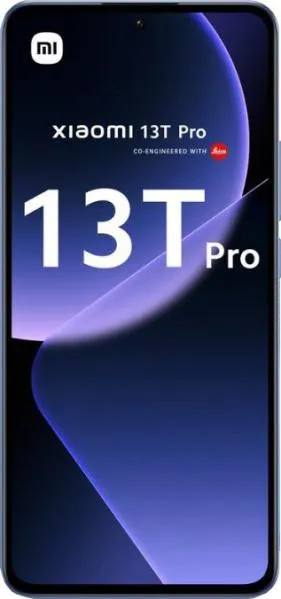
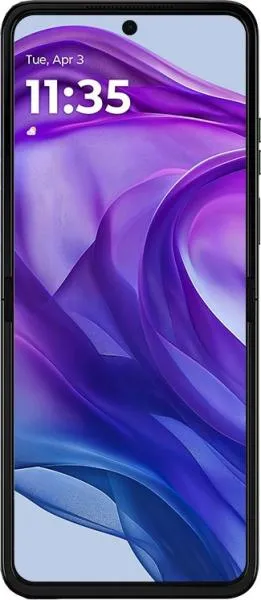
| Feature | Xiaomi 13T Pro | Motorola Razr 50 Ultra | Practical Impact |
|---|---|---|---|
| Design | |||
| Dimensions | 162.2 x 75.7 x 8.5 mm | 171.4 x 74 x 7.1 mm (folded) | Razr 50 Ultra is significantly more compact when folded, enhancing portability but taller unfolded. Xiaomi 13T Pro is a more traditional candybar design. |
| Weight | 200g | 189g | Despite its larger unfolded size, the Razr 50 Ultra is slightly lighter. Negligible difference in real-world usage. |
| Foldable | No | Yes | Razr's foldable design offers unique portability and a smaller external display for quick interactions. |
| Build | Not specified | Not specified | Build materials and durability are unknown and can't be compared. |
| Display | |||
| Display Type | AMOLED, 68B colors | Foldable LTPO AMOLED, 1B colors | Both offer vibrant colors, but the Xiaomi boasts a wider color gamut. Razr's foldable LTPO panel likely offers better power efficiency. |
| Size | 6.67" | 6.9" (main), ~3.6" (cover) | Razr has a larger main display for immersive content, but the Xiaomi's is larger than the Razr's cover screen making one-handed use potentially easier. |
| Resolution | 1220 x 2712 | 1080 x 2640 (main), Not specified (cover) | Xiaomi offers a sharper display due to higher resolution. Razr's cover screen resolution is unknown. |
| Refresh Rate | 144Hz | 165Hz (main), Not specified (cover) | Both offer incredibly smooth scrolling and animations. Razr's slightly higher refresh rate might be noticeable in fast-paced games but cover screen refresh rate is unknown. |
| Peak Brightness | 2600 nits | 3000 nits | Razr has a slightly brighter display, potentially offering better outdoor visibility. |
| Performance | |||
| Chipset | Mediatek Dimensity 9200+ | Qualcomm Snapdragon 8+ Gen 3 | Both are flagship-level chipsets from the previous generation. Performance differences will likely be minor in day-to-day tasks. |
| CPU | Octa-core (1x3.35 GHz Cortex-X3 & 3x3.0 GHz Cortex-A715 & 4x2.0 GHz Cortex-A510) | Octa-core (1x3.0 GHz Cortex-X4 & 4x2.8 GHz Cortex-A720 & 3x2.0 GHz Cortex-A520) | Both CPUs are powerful. Clock speed comparisons don't fully represent real-world performance; benchmarks would be needed. |
| GPU | Immortalis-G715 MC11 | Adreno 735 | Gaming performance should be excellent on both devices. Detailed comparisons require benchmarks. |
| RAM | 12/16GB | 12GB | Both offer ample RAM for multitasking. |
| Storage | 512GB/1TB | 256GB | Xiaomi offers significantly more storage options. |
| Battery | |||
| Capacity | 5000 mAh | 4000 mAh | Xiaomi has a larger battery capacity, potentially leading to longer battery life. |
| Other | |||
| OS | Android 13 | Android 14 | Razr launches with a newer Android version, potentially offering newer features and longer software support. |
| Fingerprint Sensor | Under-display | Side-mounted | Preference-dependent. Under-display is more modern, side-mounted can be faster and more reliable. |
2. Key Differences Analysis
Xiaomi 13T Pro Advantages:
- Larger Battery: Potentially significantly longer battery life.
- Higher Resolution Display: Sharper visuals for media consumption.
- More Storage Options: Accommodates users with large media libraries.
- Potentially wider color gamut: Offers more vibrant and accurate colors.
Motorola Razr 50 Ultra Advantages:
- Foldable Design: Unique form factor, enhanced portability.
- External Display: Quick access to notifications and basic tasks without unfolding.
- Newer Android Version: Latest features and potentially longer software updates.
- Brighter Display: Enhanced outdoor visibility.
Trade-offs:
- Razr 50 Ultra: Smaller battery capacity for its foldable design and dual displays. Higher price for the foldable technology. Limited storage option.
- Xiaomi 13T Pro: Larger and less portable than the folded Razr. Older Android Version out of the box.
3. User Profiles & Recommendations
Xiaomi 13T Pro: Ideal for users prioritizing battery life, performance, large screen size, and value. Excellent for media consumption, gaming, and productivity.
Motorola Razr 50 Ultra: Ideal for users who value portability and a unique form factor above all else and are willing to compromise on battery life and potentially storage for it. Suitable for users who prioritize style and convenience.
4. Decision Framework
Key Questions:
- How important is portability? If ultimate portability is paramount, the Razr is the clear winner.
- How much do you prioritize battery life? If all-day usage without charging is crucial, the Xiaomi is the better choice.
- Are you willing to pay a premium for a foldable design? The Razr's innovative form factor comes at a higher price.
My Choice: Xiaomi 13T Pro
While the Razr 50 Ultra's foldable design is intriguing, the Xiaomi 13T Pro offers a more compelling overall package for my needs. The significantly larger battery, sharper display, and greater storage options outweigh the novelty of a foldable phone. I prioritize battery life and a smooth, high-performance experience for media consumption and gaming. The Xiaomi 13T Pro delivers these aspects without the premium price tag associated with foldable technology and the compromise on battery capacity. The slightly older Android version is less of a concern as Xiaomi has a decent track record of updates. While I acknowledge the Razr's portability advantage, I find the Xiaomi's traditional form factor more practical for my daily use.
