1. Specifications Comparison
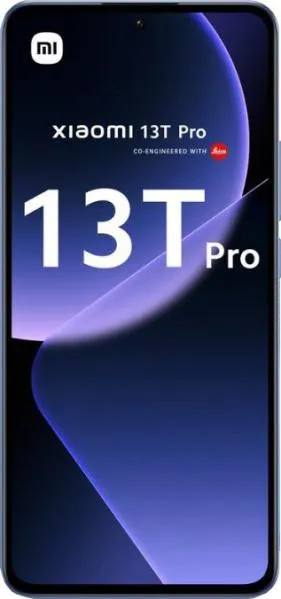
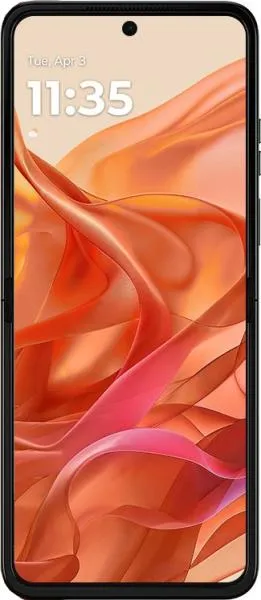
| Feature | Xiaomi 13T Pro | Motorola Razr 50 | Practical Impact |
|---|---|---|---|
| Design | |||
| Dimensions | 162.2 x 75.7 x 8.5 mm | 171.3 x 74 x 7.3 mm (folded) | Razr 50 is significantly more compact when folded, enhancing portability but taller unfolded. |
| Weight | 200g | 188.4g | Razr 50 is slightly lighter despite the folding mechanism. |
| Foldable | No | Yes | Razr 50's foldable design offers unique portability and a smaller external display for quick interactions. |
| Display | |||
| Size | 6.67" | 6.9" (main); External display size not specified | Xiaomi offers a larger main display for immersive content. Razr's external display utility is limited without size specs. |
| Type | AMOLED, 144Hz | Foldable LTPO AMOLED, 120Hz | Both offer vibrant colors and smooth scrolling. Xiaomi's higher refresh rate might provide a slightly smoother experience in supported content. Razr's LTPO panel can dynamically adjust refresh rate for power saving. |
| Resolution | 1220 x 2712 | 1080 x 2640 | Xiaomi has a slightly sharper display due to higher pixel density (446 ppi vs 413 ppi). |
| Peak Brightness | 2600 nits | 3000 nits | Razr 50 offers better visibility in direct sunlight. |
| Performance | |||
| Chipset | Mediatek Dimensity 9200+ (4 nm) | Mediatek Dimensity 7300X (4 nm) | Xiaomi's 9200+ offers significantly better performance in demanding tasks and gaming due to its more powerful CPU and GPU. |
| CPU | Octa-core (1x3.35 GHz Cortex-X3 & 3x3.0 GHz Cortex-A715 & 4x2.0 GHz Cortex-A510) | Octa-core (4x2.5 GHz Cortex-A78 & 4x2.0 GHz Cortex-A55) | Xiaomi's CPU architecture is newer and more powerful. |
| GPU | Immortalis-G715 MC11 | Mali-G615 MC2 | Xiaomi's GPU offers a substantial performance advantage for gaming and graphics-intensive applications. |
| RAM | 12GB/16GB | 12GB | Both offer ample RAM for multitasking. |
| Storage | 512GB/1GB | 512GB | Comparable storage options. |
| Battery | |||
| Capacity | 5000 mAh | 4200 mAh | Xiaomi offers significantly longer battery life. |
| Camera | Not enough info provided for comparison | Not enough info provided for comparison | Insufficient data for comparison |
2. Key Differences Analysis
Xiaomi 13T Pro Advantages:
- Superior Performance: Significantly faster processor and GPU for smoother gaming, multitasking, and demanding applications.
- Longer Battery Life: Larger battery capacity for extended usage.
- Sharper Display: Slightly higher pixel density for a crisper image.
- Higher Refresh Rate Display: Potentially smoother scrolling and animations.
Motorola Razr 50 Advantages:
- Foldable Design: Unique form factor for enhanced portability and compact storage.
- Brighter Display: Better visibility outdoors in bright sunlight.
- More Recent OS: Ships with Android 14, potentially offering newer features and longer software support (although Xiaomi likely to receive update to 14).
3. User Profiles & Recommendations
Xiaomi 13T Pro: Ideal for users who prioritize performance, battery life, and a large, high-quality display. Suitable for power users, gamers, and those who consume a lot of media.
Motorola Razr 50: Best suited for users who value portability and a unique, compact design above all else. The foldable form factor is a conversation starter and offers a different user experience.
4. Decision Framework
Key Questions for Buyers:
- Is portability your top priority? If so, the Razr 50's foldable design is a compelling option.
- Do you need the best possible performance and battery life? The Xiaomi 13T Pro excels in these areas.
- What is your budget and how important is the novelty of a foldable phone? The Razr 50's unique design might justify a price premium for some users. Price not provided to make a value assessment.
My Choice: Xiaomi 13T Pro
While the Motorola Razr 50 offers a unique foldable design, the Xiaomi 13T Pro is the better overall phone for my needs. Its superior performance, longer battery life, and larger, sharper display are more important to me than ultimate portability. I prioritize a smooth and responsive user experience for tasks like gaming and media consumption, where the 13T Pro's powerful hardware shines. While the Razr 50's foldable design is intriguing, the performance trade-offs and smaller battery are significant drawbacks. I am also willing to forgo the slightly brighter display of the Razr for the overall better package offered by the 13T Pro. Ultimately, the 13T Pro provides a more well-rounded and future-proof experience.
