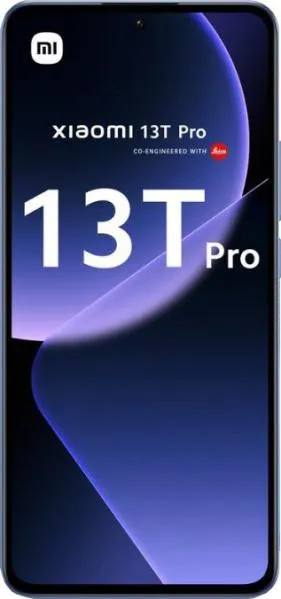
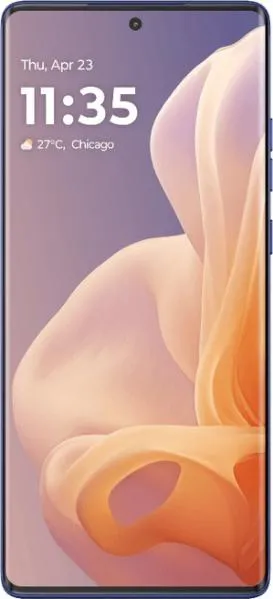
1. Specifications Comparison
| Feature | Xiaomi 13T Pro | Motorola Moto G85 | Practical Impact |
|---|---|---|---|
| Design | |||
| Dimensions | 162.2 x 75.7 x 8.5 mm | 161.9 x 73.1 x 7.6 mm | Moto G85 is slightly smaller and thinner, potentially improving one-handed usability. |
| Weight | 200g | 171g | Moto G85 is noticeably lighter, reducing hand fatigue during extended use. |
| Display | |||
| Display Type | AMOLED, 68B colors | P-OLED, 1B colors | Xiaomi's AMOLED display offers significantly better color accuracy and vibrancy. |
| Resolution | 1220 x 2712 | 1080 x 2400 | Xiaomi boasts a sharper display with higher pixel density (446 ppi vs 395 ppi), resulting in crisper text and images. |
| Refresh Rate | 144Hz | 120Hz | While both offer smooth scrolling, the 144Hz on the Xiaomi provides a more fluid and responsive experience, especially noticeable in gaming. |
| Peak Brightness | 2600 nits | 1600 nits | Xiaomi's display is much brighter, ensuring better visibility in direct sunlight. |
| Performance | |||
| Chipset | Mediatek Dimensity 9200+ (4 nm) | Qualcomm Snapdragon 6s Gen 3 (6 nm) | The Dimensity 9200+ is a flagship-level processor, significantly more powerful than the Snapdragon 6s Gen 3, enabling smoother multitasking, faster app loading, and better gaming performance. |
| CPU | Octa-core (1x3.35 GHz Cortex-X3 & 3x3.0 GHz Cortex-A715 & 4x2.0 GHz Cortex-A510) | Octa-core (2x2.3 GHz Cortex-A78 & 6x2.0 GHz Cortex-A55) | The Xiaomi's CPU architecture is more advanced and powerful, leading to a substantial performance difference. |
| GPU | Immortalis-G715 MC11 | Adreno 619 | The Immortalis-G715 is a much more capable GPU, delivering significantly better gaming and graphics performance. |
| RAM/Storage | 512GB/12GB, 1000GB/16GB | 256GB/12GB | Xiaomi offers more storage options, catering to users with high storage demands. |
| Camera | |||
| Video Capabilities | 8K@24fps, 4K@60fps, 1080p@240fps | 1080p@60fps | The Xiaomi offers superior video recording capabilities, including higher resolutions (up to 8K) and frame rates (up to 240fps). Detailed camera specifications (sensor size, aperture) are missing, limiting a comprehensive comparison. |
| Battery | |||
| Capacity | 5000 mAh | 5000 mAh | Both phones have the same battery capacity. Real-world battery life depends on various factors including software optimization and usage patterns. |
2. Key Differences Analysis
Xiaomi 13T Pro Advantages:
- Significantly more powerful: The Dimensity 9200+ and superior GPU offer a substantial performance advantage for demanding tasks and gaming.
- Superior display: Brighter, sharper, and smoother with more vibrant colors.
- Advanced video recording capabilities: Supports higher resolutions and frame rates.
Motorola Moto G85 Advantages:
- Lighter and slightly smaller: More comfortable for one-handed use and extended periods.
- Potentially more affordable: While both are mid-range, the Moto G85 might be priced lower given its less powerful specs.
3. User Profiles & Recommendations
Xiaomi 13T Pro: Ideal for power users, gamers, and content creators who prioritize performance, a high-quality display, and advanced camera features.
Motorola Moto G85: Suitable for users who prioritize portability, comfortable one-handed use, and battery life over top-tier performance. A good option for budget-conscious users seeking basic smartphone functionality.
4. Decision Framework
Key Questions for Buyers:
- What is your budget? The Xiaomi 13T Pro is likely more expensive.
- What are your primary use cases? (Gaming, content creation, casual browsing, etc.)
- Do you prioritize performance or portability?
Scenario-Based Recommendations:
- Gamer: Xiaomi 13T Pro
- Casual User: Motorola Moto G85 if budget is a major concern, otherwise Xiaomi 13T Pro for a better overall experience.
- Photographer/Videographer: Xiaomi 13T Pro
My Choice: Xiaomi 13T Pro
While the Motorola Moto G85 offers advantages in portability and potentially price, the Xiaomi 13T Pro's significant performance advantage, superior display, and advanced camera features make it the clear winner for me. I prioritize a smooth and responsive user experience, high-quality visuals, and the ability to handle demanding tasks. The slightly larger size and weight are acceptable trade-offs for the substantial gains in overall performance and capabilities. The 144hz refresh rate and brighter display alone greatly enhance daily usage. Even if the Moto G85 is cheaper, the 13T Pro provides a significantly better long term experience.
