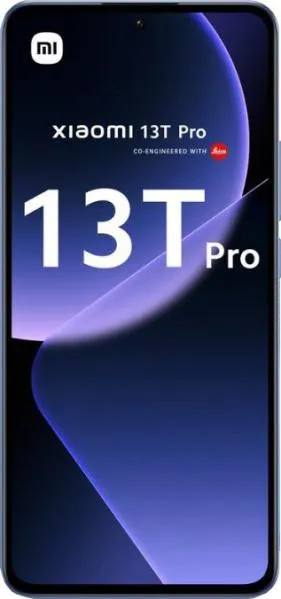
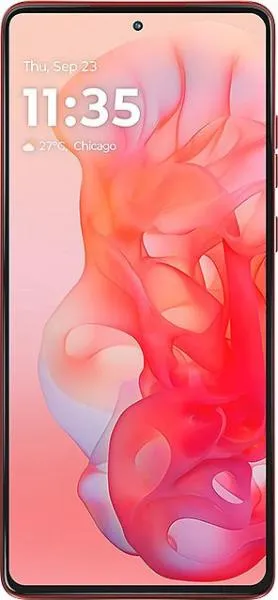
1. Specifications Comparison
| Feature | Xiaomi 13T Pro | Motorola Moto G Stylus 5G (2024) | Practical Impact |
|---|---|---|---|
| Design | |||
| Dimensions | 162.2 x 75.7 x 8.5 mm | 162.6 x 74.8 x 8.3 mm | Virtually identical in size; negligible difference in hand feel. |
| Weight | 200g | 190g | Xiaomi slightly heavier, but unlikely to be noticeable in daily use. |
| Build Materials | Not specified | Not specified | Cannot compare build quality and durability without material information. |
| Display | |||
| Display Type | AMOLED, 68B colors | P-OLED, 1B colors | Xiaomi's AMOLED with higher color depth offers significantly more vibrant and accurate colors. |
| Resolution | 1220 x 2712 | 1080 x 2400 | Xiaomi has a sharper display with higher pixel density (446 ppi vs 395 ppi), resulting in clearer text and images. |
| Refresh Rate | 144Hz | 120Hz | Both offer smooth scrolling and animations, but Xiaomi's 144Hz provides a slightly more fluid experience, especially noticeable in fast-paced gaming. |
| Peak Brightness | 2600 nits | 1200 nits | Xiaomi's display is significantly brighter, making it much more usable in direct sunlight. |
| Performance | |||
| Chipset | Mediatek Dimensity 9200+ (4 nm) | Qualcomm Snapdragon 6 Gen 1 (4 nm) | Dimensity 9200+ is a flagship-level processor offering significantly better performance in demanding tasks and gaming compared to the mid-range Snapdragon 6 Gen 1. |
| CPU | Octa-core (1x3.35 GHz X3 & 3x3.0 GHz A715 & 4x2.0 GHz A510) | Octa-core (4x2.2 GHz A78 & 4x1.8 GHz A55) | Xiaomi's CPU boasts higher clock speeds and a more powerful core architecture, translating to noticeably faster app loading, multitasking, and overall responsiveness. |
| GPU | Immortalis-G715 MC11 | Adreno 710 | Xiaomi's GPU is considerably more powerful, enabling smoother gaming at higher settings and better performance in graphics-intensive applications. |
| RAM/Storage | 512GB/12GB, 1000GB/16GB | 256GB/8GB | Xiaomi offers more RAM and storage options, providing greater multitasking capabilities and ample space for files and apps. |
| Camera | |||
| Video Capabilities | 8K@24fps, 4K@ up to 60fps, 1080p up to 240fps | 4K@30fps, 1080p up to 120fps | Xiaomi supports higher resolution video recording (up to 8K) and higher frame rates, offering more flexibility for content creation. Specific sensor details are missing for both, limiting a full camera comparison. |
| Battery | |||
| Capacity | 5000 mAh | 5000 mAh | Similar battery capacities suggest comparable battery life, although real-world usage will depend on software optimization and user habits. Charging speeds are not specified, limiting a full comparison. |
2. Key Differences Analysis
Xiaomi 13T Pro Advantages:
- Significantly superior performance: The Dimensity 9200+ and Immortalis-G715 MC11 offer a substantial performance advantage for demanding tasks and gaming.
- Brighter and more vibrant display: The AMOLED display with 2600 nits peak brightness and 68B colors delivers a superior visual experience.
- Higher resolution and refresh rate: Sharper visuals and smoother animations enhance media consumption and gaming.
- More RAM and storage options: Provides greater flexibility and future-proofing.
- More comprehensive video recording capabilities: Supports higher resolutions and frame rates.
Motorola Moto G Stylus 5G (2024) Advantages:
- Stylus Support (Inferred): The "Stylus" in the name suggests it includes a stylus for note-taking and drawing, a feature absent in the Xiaomi. This is a major differentiator for users who value this functionality.
- Potentially Lower Price: While both are mid-range, Motorola devices often position themselves at a more competitive price point within that range.
- Newer base Android OS: Ships with Android 14, potentially offering some newer features and longer software support timeline.
3. User Profiles & Recommendations
Xiaomi 13T Pro: Ideal for users who prioritize performance, a premium display, and versatile camera capabilities. Suitable for demanding tasks like gaming, video editing, and content creation.
Motorola Moto G Stylus 5G (2024): Best suited for users who prioritize note-taking, drawing, and general productivity tasks facilitated by a stylus. Also a good choice for budget-conscious users seeking a reliable 5G phone.
4. Decision Framework
Key Questions:
- What is your budget? The Motorola is likely more affordable.
- Is a stylus important to you? If yes, the Motorola is the clear choice.
- What are your primary use cases? Gaming and media consumption favor the Xiaomi; note-taking and productivity lean towards the Motorola.
Scenario-Based Recommendations:
- Gamer: Xiaomi 13T Pro
- Note-taker: Motorola Moto G Stylus 5G (2024)
- Budget-conscious user: Motorola Moto G Stylus 5G (2024)
- Power user: Xiaomi 13T Pro
My Choice: Xiaomi 13T Pro
While the Motorola likely offers a lower price and the unique advantage of a stylus, the Xiaomi 13T Pro's significant advantages in performance, display quality, and camera capabilities are more compelling to me. I prioritize a smooth and responsive user experience, a vibrant display for media consumption, and the ability to handle demanding tasks without lag. The Xiaomi's superior hardware makes it the better long-term investment for my needs, even if it comes at a slightly higher price. The lack of detailed camera sensor specifications prevents a full assessment, but the video recording capabilities alone suggest a more versatile camera system in the Xiaomi. The Motorola's newer Android version offers a potential advantage in long-term software updates, but the performance difference is substantial enough to outweigh this for my personal use case.
