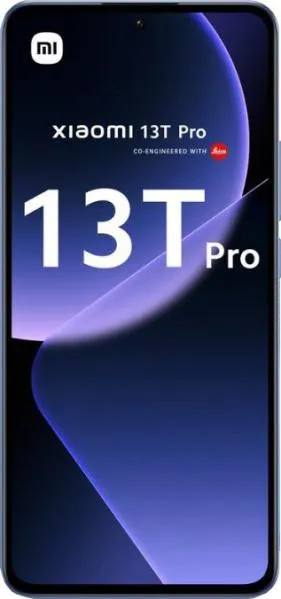
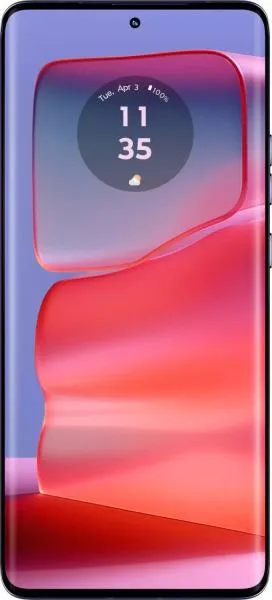
1. Specifications Comparison
| Feature | Xiaomi 13T Pro | Motorola Edge 50 Pro | Practical Impact |
|---|---|---|---|
| Design | |||
| Dimensions | 162.2x75.7x8.5mm | 161.2x72.4x8.2mm | Motorola is slightly smaller and thinner, potentially improving one-handed usability. |
| Weight | 200g | 186g | Motorola is noticeably lighter, reducing hand fatigue during extended use. |
| Display | |||
| Size | 6.67" | 6.7" | Negligible size difference. |
| Type | AMOLED, 68B colors | P-OLED, 1B colors | Xiaomi's AMOLED with 68B colors likely offers smoother color gradients and potentially better color accuracy than Motorola's 1B color P-OLED. |
| Refresh Rate | 144Hz | 144Hz | Both offer incredibly smooth scrolling and animations. |
| Peak Brightness | 2600 nits | 2000 nits | Xiaomi's significantly higher peak brightness ensures better outdoor visibility. |
| Performance | |||
| Chipset | Mediatek Dimensity 9200+ | Qualcomm Snapdragon 7 Gen 3 | Dimensity 9200+ generally benchmarks higher, suggesting better performance in demanding tasks and gaming. |
| CPU | Octa-core (1x3.35 GHz X3...) | Octa-core (1x2.63 GHz A715...) | Xiaomi's CPU boasts higher clock speeds, indicating faster processing power. |
| GPU | Immortalis-G715 MC11 | Adreno 720 | Immortalis-G715 MC11 generally delivers superior graphics performance compared to Adreno 720, resulting in smoother gaming and faster rendering. |
| RAM/Storage | 512GB/12GB, 1000GB/16GB | 256GB/12GB, 512GB/12GB | Xiaomi offers a 1TB storage option for users needing vast local storage. |
| Battery | |||
| Capacity | 5000 mAh | 4500 mAh | Xiaomi offers longer battery life. |
| Camera | |||
| Video Capabilities | 8K@24fps, 4K@60fps... | 4K@30fps... | Xiaomi supports 8K and 4K at 60fps video recording, offering higher resolution and smoother video capture compared to Motorola's maximum of 4K at 30fps. |
| Other | |||
| OS | Android 13 | Android 14 | Motorola comes with a newer Android version out-of-the-box. |
| USB | USB Type-C 2.0 | USB Type-C 3.1, DisplayPort 1.4 | Motorola offers faster data transfer and video output through USB-C and DisplayPort. |
2. Key Differences Analysis
Xiaomi 13T Pro Advantages:
- Superior Performance: The Dimensity 9200+ and Immortalis-G715 MC11 provide a noticeable performance advantage for demanding tasks and gaming.
- Brighter Display: The 2600 nits peak brightness is significantly better for outdoor use.
- Larger Battery: The 5000mAh battery offers longer usage time.
- More Comprehensive Video Recording: 8K and 4K@60fps recording options.
- Larger Storage Option: Offers a 1TB storage variant.
Motorola Edge 50 Pro Advantages:
- Lighter and Slightly Smaller: Improved one-handed usability.
- Newer Android Version: Ships with Android 14.
- Faster Data Transfer and Video Output: USB 3.1 and DisplayPort 1.4 support.
- Potentially More Affordable: Depending on specific market pricing.
3. User Profiles & Recommendations
Xiaomi 13T Pro: Ideal for power users, gamers, and those who prioritize performance, battery life, a brighter display, and advanced video recording capabilities.
Motorola Edge 50 Pro: Suitable for users who value a lighter, more compact phone, the latest Android version, and faster data transfer speeds. Good for everyday tasks and moderate gaming.
4. Decision Framework
Key Questions:
- What is your budget? Compare prices in your region.
- What are your primary use cases? (Gaming, photography, general use)
- Which features are most important to you? (Performance, battery life, portability)
Scenario-Based Recommendations:
- Heavy Gamer: Xiaomi 13T Pro for its superior performance.
- Outdoor Enthusiast: Xiaomi 13T Pro for its brighter display.
- On-the-Go Professional: Motorola Edge 50 Pro for its portability and connectivity.
My Choice: Xiaomi 13T Pro
While the Motorola Edge 50 Pro offers a compelling combination of features, I would choose the Xiaomi 13T Pro. The significantly better performance offered by the Dimensity 9200+, combined with the brighter display, larger battery, and superior video recording capabilities, outweighs the advantages of the Motorola for my personal needs. I prioritize performance and a great visual experience, and the Xiaomi 13T Pro delivers in these areas. The slightly larger size and weight are acceptable trade-offs for the substantial gains in performance and battery life. Although Android 14 is appealing, Xiaomi's Android 13 with planned updates should provide a comparable software experience in the long run.
