1. Specifications Comparison
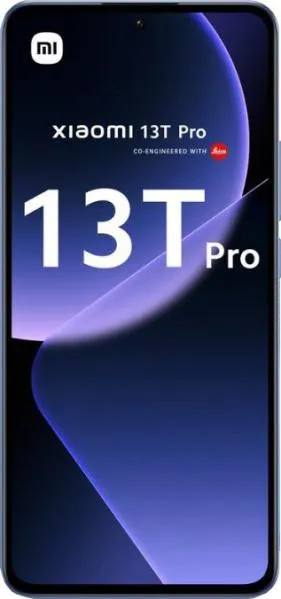
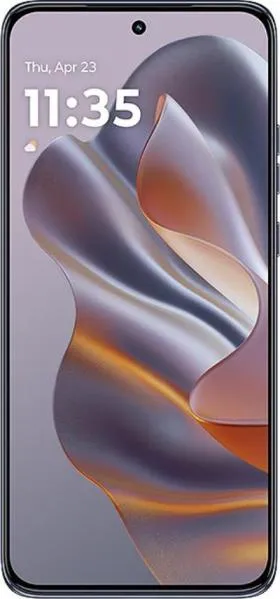
| Feature | Xiaomi 13T Pro | Motorola Edge 50 Neo | Practical Impact |
|---|---|---|---|
| Design | |||
| Dimensions | 162.2 x 75.7 x 8.5 mm | 154.1 x 71.2 x 8.1 mm | The Motorola is slightly smaller and thinner, potentially making it more pocketable. |
| Weight | 200g | 171g | The Motorola is noticeably lighter, reducing hand fatigue during extended use. |
| Display | |||
| Size | 6.67" | 6.4" | The Xiaomi offers a larger screen for more immersive media consumption. |
| Type | AMOLED, 144Hz | LTPO P-OLED, 120Hz | Both offer excellent displays with vibrant colors and deep blacks. The Xiaomi's 144Hz refresh rate provides smoother animations, while the Motorola's LTPO panel can dynamically adjust its refresh rate for power saving. |
| Resolution | 1220 x 2712 | 1256 x 2760 | Similar pixel density, resulting in sharp visuals on both. |
| Peak Brightness | 2600 nits | 3000 nits | The Motorola boasts higher peak brightness, potentially improving outdoor visibility. |
| Performance | |||
| Chipset | Dimensity 9200+ (4nm) | Dimensity 7300 (4nm) | The Xiaomi features a significantly more powerful processor, leading to faster app loading, smoother multitasking, and better gaming performance. |
| CPU | Octa-core (1x3.35 GHz X3 & 3x3.0 GHz A715 & 4x2.0 GHz A510) | Octa-core (4x2.5 GHz A78 & 4x2.0 GHz A55) | The Xiaomi's CPU architecture and higher clock speeds deliver superior performance. |
| GPU | Immortalis-G715 MC11 | Mali-G615 MC2 | The Xiaomi's GPU offers significantly better graphics performance for demanding games and applications. |
| RAM/Storage | 512GB/12GB, 1TB/16GB | 512GB/12GB | Xiaomi offers a 1TB storage option for users needing ample space. |
| Battery | |||
| Capacity | 5000 mAh | 4310 mAh | The Xiaomi has a larger battery, potentially offering longer battery life. |
| Camera | |||
| Video Capabilities | Up to 8K@24fps | Up to 4K@30fps | The Xiaomi offers significantly higher video resolution capabilities. Detailed camera specifications (sensor size, aperture) are missing for a comprehensive comparison. |
2. Key Differences Analysis
Xiaomi 13T Pro Advantages:
- Significantly more powerful: The Dimensity 9200+ outperforms the Dimensity 7300 in CPU and GPU performance, resulting in a smoother and faster user experience.
- Higher resolution video recording: Up to 8K recording compared to 4K on the Motorola.
- Larger battery: Potentially longer battery life.
- Higher refresh rate display: Smoother animations and scrolling.
- Larger Display: More immersive experience for media consumption.
Motorola Edge 50 Neo Advantages:
- Lighter and more compact: Easier to hold and carry.
- Higher peak brightness: Better visibility in direct sunlight.
- Potentially longer software support: Launching with Android 14 might result in longer OS updates compared to the Xiaomi's Android 13.
3. User Profiles & Recommendations
Xiaomi 13T Pro: Ideal for power users, gamers, and those who prioritize performance, a large screen, and high-resolution video recording.
Motorola Edge 50 Neo: Suitable for users who value a lightweight and compact phone with a bright display and potentially longer software updates. Good for everyday tasks and moderate media consumption.
4. Decision Framework
Key Questions for Buyers:
- What is your budget and how important is performance? The Xiaomi 13T Pro is likely more expensive but offers superior performance.
- Do you prioritize portability and one-handed use? The Motorola Edge 50 Neo is smaller and lighter.
- How important is long-term software support? The Motorola, launching with a newer Android version, may receive updates for a longer period.
My Choice: Xiaomi 13T Pro
While the Motorola Edge 50 Neo offers a compelling combination of portability and a bright display, the Xiaomi 13T Pro's significant performance advantage is the deciding factor for me. The Dimensity 9200+ provides a noticeable difference in everyday use, especially for demanding tasks and gaming. The larger battery and higher refresh rate display further enhance the user experience. I am willing to compromise slightly on size and weight for the superior performance and features offered by the Xiaomi 13T Pro. I also value the option for larger storage (1TB) offered by the Xiaomi.
