1. Specifications Comparison
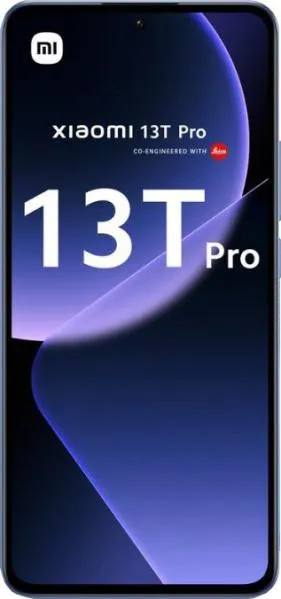
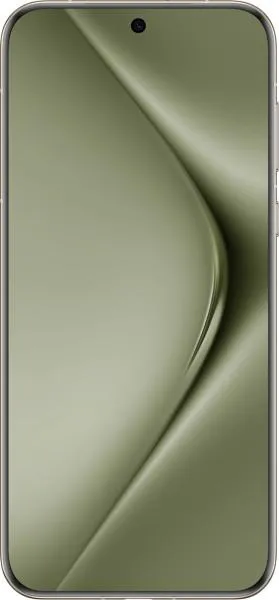
| Feature | Xiaomi 13T Pro | Huawei Pura 70 Ultra | Practical Impact |
|---|---|---|---|
| Design | |||
| Dimensions (mm) | 162.2 x 75.7 x 8.5 | 162.6 x 75.1 x 8.4 | Negligible size difference; both are large phones. |
| Weight (g) | 200 | 226 | The Xiaomi is noticeably lighter, reducing hand fatigue during extended use. |
| Display | |||
| Size (inches) | 6.67 | 6.8 | The Huawei has a slightly larger display, offering marginally more screen real estate. |
| Type | AMOLED, 68B colors, 144Hz | LTPO OLED, 1B colors, 120Hz | Xiaomi offers a higher refresh rate (smoother animations/scrolling) and significantly more colors (more vibrant and accurate visuals). Huawei uses LTPO for potentially better power efficiency. |
| Peak Brightness (nits) | 2600 | 2500 | Xiaomi's slightly higher peak brightness improves outdoor visibility. |
| Resolution | 1220 x 2712 | 1260 x 2844 | Both offer sharp displays; Huawei has a slightly higher pixel density due to the larger screen and resolution. |
| Performance | |||
| Chipset | Mediatek Dimensity 9200+ (4 nm) | Kirin 9010 (7 nm) | The Dimensity 9200+ is built on a more advanced process, likely resulting in better performance and power efficiency. |
| CPU | Octa-core (1x3.35 GHz Cortex-X3...) | Octa-core (1x2.3 GHz Taishan Big...) | The Xiaomi boasts significantly higher clock speeds, suggesting superior processing power for demanding tasks. |
| GPU | Immortalis-G715 MC11 | 8 (Missing specific GPU model) | Difficult to compare without the Huawei's full GPU model. However, given the CPU difference, Xiaomi likely has a stronger GPU. |
| RAM/Storage | 512GB/12GB, 1000GB/16GB | 1000GB/16GB | Xiaomi offers a 12GB RAM option potentially beneficial for multitasking; both offer ample storage. |
| Battery | |||
| Capacity (mAh) | 5000 | 5200 | Huawei has a slightly larger battery. Actual battery life depends on optimization and usage. |
| Software | |||
| OS | Android 13 | (Missing OS information) | Critical information missing for the Huawei phone makes OS comparison impossible. |
| Camera | |||
| Video Capabilities | 8K@24fps, 4K@ various fps... | (Missing video capabilities) | Cannot compare without Huawei's video recording specifications. |
2. Key Differences Analysis
Xiaomi 13T Pro Advantages:
- Superior Performance: Newer, more powerful chipset and higher CPU clock speeds. Translates to faster app loading, smoother gaming, and better multitasking.
- Better Display: Higher refresh rate for smoother visuals and wider color gamut for more vibrant images. Higher peak brightness is beneficial in bright sunlight.
- Lighter Design: More comfortable for one-handed use and extended periods.
Huawei Pura 70 Ultra Advantages:
- Slightly Larger Battery: Potentially longer battery life, though real-world performance depends on software and usage.
- Slightly Larger Display: Offers a marginally larger viewing area.
Trade-offs:
- Huawei's Missing Information: Makes a complete comparison challenging. Lack of OS, GPU, and camera details hinders evaluation.
- Huawei's Higher Price: Belongs to a higher price range without clear justification based on available specs.
3. User Profiles & Recommendations
Xiaomi 13T Pro: Users who prioritize performance, a smooth and vibrant display, and a lighter design. Suitable for gamers, power users, and those who consume multimedia content.
Huawei Pura 70 Ultra: Potentially suited for users prioritizing battery life and a large display. However, the lack of information makes a strong recommendation difficult. The higher price point needs justification through missing specifications.
4. Decision Framework
Key Questions:
- What is your budget? The Xiaomi offers potentially better value considering the performance advantage within a lower price bracket.
- What are your primary use cases? Gamers and power users would likely prefer the Xiaomi's performance.
- How important is software and long-term support? Without knowing the Huawei's OS and update policy, this is a critical unknown.
Scenario-Based Recommendations:
- Limited Budget, Performance Focus: Xiaomi 13T Pro
- Maximum Battery Life, Large Display (with acceptance of unknown factors): Huawei Pura 70 Ultra (pending further information)
My Choice: Xiaomi 13T Pro
Based on the available information, I would choose the Xiaomi 13T Pro. The superior performance, better display, and lighter design are significant advantages. The lower price point further strengthens its value proposition. The missing information for the Huawei Pura 70 Ultra, especially regarding the OS, GPU, and camera, makes it impossible to confidently recommend despite the slightly larger battery and display. The higher price for the Huawei without clear justification based on available information makes the Xiaomi a much more compelling choice. A fully informed decision regarding the Huawei requires complete specifications.
