1. Specifications Comparison
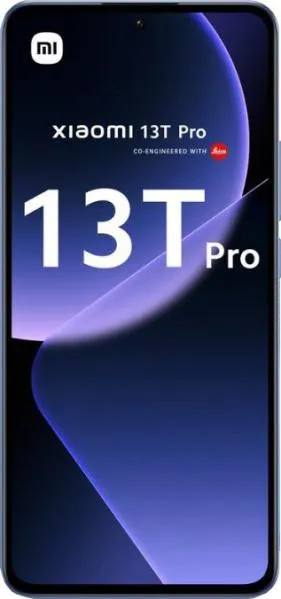
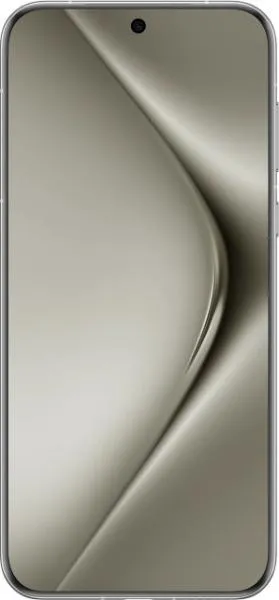
| Feature | Xiaomi 13T Pro | Huawei Pura 70 Pro | Practical Impact |
|---|---|---|---|
| Design | |||
| Dimensions | 162.2 x 75.7 x 8.5 mm | 162.6 x 75.1 x 8.4 mm | Virtually identical in size and feel. |
| Weight | 200g | 220g | The Xiaomi is noticeably lighter, reducing hand fatigue during extended use. |
| Display | |||
| Size | 6.67" | 6.8" | Negligible difference in screen real estate. |
| Type | AMOLED, 144Hz | LTPO OLED, 120Hz | Both offer excellent color accuracy and deep blacks. The Xiaomi's 144Hz provides smoother animations and scrolling, especially noticeable in gaming. Huawei's LTPO panel allows for variable refresh rate, potentially saving battery. |
| Resolution | 1220 x 2712 | 1260 x 2844 | Both offer sharp, detailed visuals. The Huawei has a slightly higher pixel density (460 ppi vs 446 ppi), but the difference is imperceptible in everyday use. |
| Peak Brightness | 2600 nits | 2500 nits | The Xiaomi can get slightly brighter, improving outdoor visibility. |
| Performance | |||
| Chipset | Mediatek Dimensity 9200+ (4nm) | Kirin 9010 (7nm) | The Dimensity 9200+ is built on a more advanced process, likely resulting in better performance and power efficiency. |
| CPU | Octa-core (1x3.35 GHz X3 & 3x3.0 GHz A715 & 4x2.0 GHz A510) | Octa-core (1x2.3 GHz Taishan Big & 3x2.18 GHz Taishan Mid & 4x1.55 GHz A510) | The Xiaomi's CPU boasts higher clock speeds and a more powerful core architecture, indicating significantly better performance in demanding tasks and multitasking. |
| GPU | Immortalis-G715 MC11 | Information Missing | Without GPU details for the Huawei, a direct comparison is impossible. |
| RAM | 12GB/16GB | 12GB | Both offer ample RAM for smooth multitasking. |
| Storage | 512GB/1TB | 512GB/1TB | Comparable storage options. |
| Battery | |||
| Capacity | 5000 mAh | 5050 mAh | Negligible difference in battery capacity. Real-world battery life will depend more on software optimization and usage patterns. |
| Software | |||
| OS | Android 13 | Information Missing | A critical piece of information missing for the Huawei. Without knowing the OS, it's impossible to assess user experience, app availability, and security updates. |
2. Key Differences Analysis
Xiaomi 13T Pro Advantages:
- Superior Performance: The newer and more powerful Dimensity 9200+ chipset offers a significant performance advantage over the Kirin 9010.
- Smoother Display: The 144Hz display delivers a noticeably smoother user experience, particularly in gaming and scrolling.
- Lighter Design: A 20g weight difference can significantly impact comfort during prolonged use.
Huawei Pura 70 Pro Potential Advantages:
- Slightly Larger Display: Offers marginally more screen real estate.
- Potentially Better Battery Life: LTPO display technology and slightly larger battery capacity could lead to longer battery life, but this depends on software and other factors. USB 3.1 offers faster data transfer and potentially DisplayPort functionality.
3. User Profiles & Recommendations
Xiaomi 13T Pro: Ideal for users who prioritize performance, a smooth display, and a lighter design. Excellent for gaming, demanding applications, and multitasking.
Huawei Pura 70 Pro: Without critical information about the OS and GPU, it's challenging to recommend this phone. IF it runs a full version of Android with access to Google services and has a comparable GPU, it could be suitable for users who prioritize battery life and a slightly larger display. The faster USB standard is a benefit for power users.
4. Decision Framework
Key Questions for Buyers:
- What operating system does the Huawei phone use? This is crucial for app availability, security updates, and overall user experience.
- What is the GPU in the Huawei phone? This will determine its gaming and graphics performance.
- What are your priorities? Prioritize performance and a smooth display? Choose the Xiaomi. Prioritize potential battery life and a larger screen (and if the OS/App ecosystem is acceptable)? Consider the Huawei.
My Choice: Xiaomi 13T Pro
Reasoning: The Xiaomi 13T Pro offers a clear advantage in performance and display quality. The lighter weight is also a significant plus. The lack of crucial information about the Huawei phone's OS and GPU makes it impossible to recommend confidently. The superior processing power and confirmed Android OS with guaranteed updates make the Xiaomi 13T Pro the safer and more performant choice. Even if the Huawei had a marginally better battery life, the significantly improved user experience provided by the 13T Pro outweighs this potential benefit.
