1. Specifications Comparison
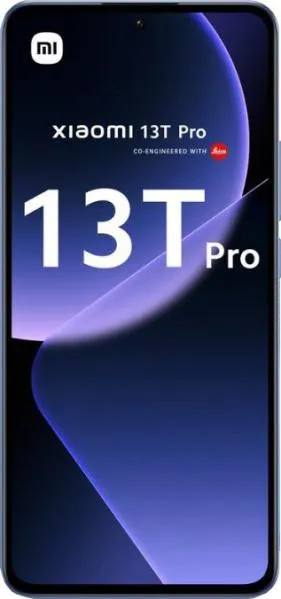
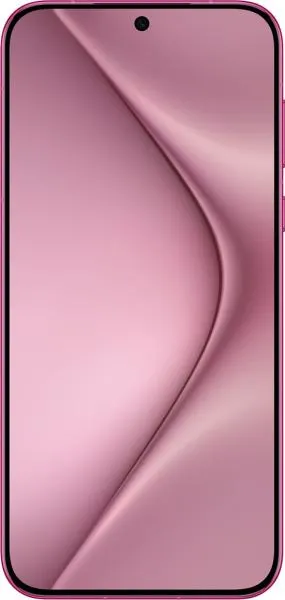
| Feature | Xiaomi 13T Pro | Huawei Pura 70 | Practical Impact |
|---|---|---|---|
| Design | |||
| Dimensions | 162.2 x 75.7 x 8.5 mm | 157.6 x 74.3 x 8.0 mm | Huawei Pura 70 is slightly smaller and thinner, potentially improving one-handed usability. |
| Weight | 200g | 207g | Negligible weight difference in real-world usage. |
| Display | |||
| Size | 6.67" | 6.6" | Xiaomi offers a marginally larger screen. |
| Type | AMOLED, 144Hz | LTPO OLED, 120Hz | Both offer excellent displays. Xiaomi's 144Hz offers smoother animations; Huawei's LTPO allows for variable refresh rate, potentially saving battery. |
| Resolution | 1220 x 2712 | 1256 x 2760 | Both are sharp; Huawei has a slightly higher pixel density (460 vs 446 ppi), but the difference is negligible. |
| Peak Brightness | 2600 nits | 2500 nits | Xiaomi's display gets slightly brighter, improving outdoor visibility. |
| Color Depth | 68B | 1B | Xiaomi supports a wider color gamut, resulting in more vibrant and accurate colors. |
| Performance | |||
| Chipset | Dimensity 9200+ (4nm) | Kirin 9000S1 | Dimensity 9200+ generally benchmarks higher in terms of CPU and GPU performance. |
| CPU | Octa-core (1x3.35 GHz X3 & 3x3.0 GHz A715 & 4x2.0 GHz A510) | Octa-core | Xiaomi provides detailed CPU configuration indicating a powerful and efficient setup. Specific Kirin 9000S1 details are missing, limiting a complete comparison. |
| GPU | Immortalis-G715 MC11 | 8 | Xiaomi's GPU is expected to provide significantly better gaming and graphics performance. The Huawei's GPU information is too vague for comparison. |
| RAM/Storage | 512GB/12GB, 1000GB/16GB | 512GB/12GB | Xiaomi offers a 1TB storage option for users requiring extensive local storage. |
| Battery | |||
| Capacity | 5000 mAh | 4900 mAh | Negligible difference in battery capacity. Real-world battery life will depend on software optimization and usage patterns. |
| Software | |||
| OS | Android 13 | Missing OS information for Huawei makes comparison impossible. This is a crucial factor. |
2. Key Differences Analysis
Xiaomi 13T Pro Advantages:
- Superior Performance: The Dimensity 9200+ and Immortalis-G715 MC11 offer a clear advantage in processing power and graphics rendering.
- Brighter Display: Higher peak brightness ensures better visibility in direct sunlight.
- Higher Refresh Rate: Smoother scrolling and animations with the 144Hz display.
- Wider Color Gamut: More vibrant and accurate color representation.
- Larger Storage Option: Offers a 1TB option for users who need ample storage.
- Detailed Spec Sheet: Provides comprehensive information for informed comparison.
Huawei Pura 70 Advantages:
- Slightly Smaller and Thinner: Potentially more comfortable for one-handed use.
- Potentially Better Battery Life: LTPO display can dynamically adjust refresh rate, saving power. However, this depends on implementation and missing OS details hinder a full assessment.
3. User Profiles & Recommendations
Xiaomi 13T Pro: Ideal for users who prioritize performance, a vibrant display, and smooth user experience. Suitable for demanding tasks like gaming, video editing, and multitasking.
Huawei Pura 70: Potentially suitable for users prioritizing a compact design and potential battery life. However, the lack of OS information makes a strong recommendation impossible. It's unclear if it even runs Android or has access to Google services.
4. Decision Framework
Key Questions for Buyers:
- What is your budget and what features matter most? Prioritize performance, display, battery life, camera, software, etc.
- What is your primary use case? Gaming, photography, general use, etc.
- What operating system and app ecosystem do you rely on?
My Choice: Xiaomi 13T Pro
The Xiaomi 13T Pro is the clear choice due to its superior performance, vibrant display, and comprehensive feature set. The lack of crucial information about the Huawei Pura 70, particularly the operating system, makes it impossible to recommend. A phone's OS is fundamental to the user experience. Without knowing what OS the Huawei phone runs, or if it has access to a proper app store, it's a risky purchase. The Xiaomi 13T Pro offers a well-rounded package with demonstrably strong performance and features. The slight size advantage of the Huawei is outweighed by the significant performance and feature advantages of the Xiaomi.
