1. Specifications Comparison
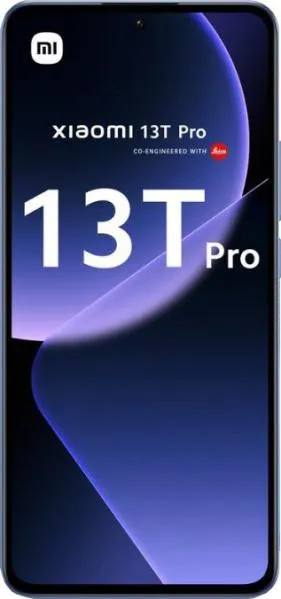
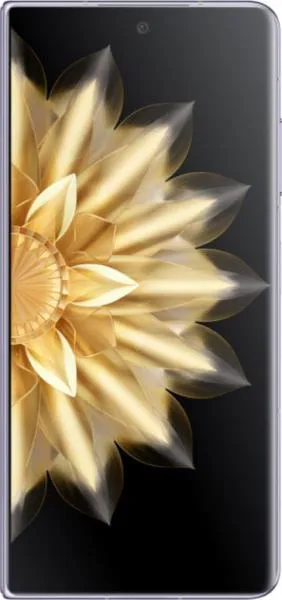
| Feature | Xiaomi 13T Pro | Honor Magic V3 | Practical Impact |
|---|---|---|---|
| Design | |||
| Dimensions | 162.2 x 75.7 x 8.5 mm | 156.6 x 145.3 x 4.35mm (folded) | The Magic V3 is significantly more compact when folded, enhancing portability, but considerably wider when unfolded. The 13T Pro is a more traditional candybar form factor. |
| Weight | 200g | 226g | The Magic V3 is noticeably heavier, potentially impacting one-handed use. |
| Foldable | No | Yes | The Magic V3's foldable design offers a larger screen in a pocketable device, enabling multitasking and immersive content consumption. |
| Display | |||
| Size | 6.67" | 7.92" (unfolded) | The Magic V3 offers a significantly larger screen real estate when unfolded, beneficial for productivity and media consumption. |
| Type | AMOLED | Foldable LTPO AMOLED | LTPO technology on the Magic V3 allows for dynamic refresh rate adjustment, potentially saving battery life. |
| Refresh Rate | 144Hz | 120Hz | Both offer incredibly smooth scrolling and animations. The 13T Pro's slightly higher refresh rate might be noticeable in fast-paced gaming, but the difference is minimal. |
| Peak Brightness | 2600 nits | 1800 nits | The 13T Pro offers superior outdoor visibility in direct sunlight. |
| Resolution | 1220 x 2712 | 2156 x 2344 (unfolded) | The Magic V3 boasts a higher resolution, leading to sharper text and images, especially noticeable on its larger unfolded screen. |
| Performance | |||
| Chipset | Mediatek Dimensity 9200+ | Qualcomm Snapdragon 8 Gen 3 | Both are flagship chipsets, offering top-tier performance. The Snapdragon 8 Gen 3 is generally considered slightly more powerful, but real-world differences might be negligible for most users. |
| CPU | Octa-core (1x3.35 GHz Cortex-X3 & 3x3.0 GHz Cortex-A715 & 4x2.0 GHz Cortex-A510) | Octa-core (1x3.3 GHz Cortex-X4 & 3x3.2 GHz Cortex-A720 & 2x3.0 GHz Cortex-A720 & 2x2.3 GHz Cortex-A520) | Both CPUs will handle demanding tasks with ease. Benchmarking would be needed to determine practical differences. |
| GPU | Immortalis-G715 MC11 | Adreno 750 | Both GPUs deliver excellent gaming performance. The Adreno 750 generally has a slight edge in benchmarks. |
| RAM/Storage | 12/512GB, 16/1000GB | 12/512GB, 16/512GB | The 13T Pro offers a 1TB storage option, catering to users with large storage needs. |
| Battery | |||
| Capacity | 5000 mAh | 5150 mAh | Similar battery capacities, but real-world battery life will depend on usage patterns and the Magic V3's larger display could consume more power. |
| Camera | The provided data lacks detailed camera specifications, hindering a thorough comparison. |
2. Key Differences Analysis
Xiaomi 13T Pro Advantages:
- Brighter Display: Significantly brighter for excellent outdoor visibility.
- Larger Storage Option: Offers a 1TB storage option.
- Potentially Lighter and Easier to Handle: Less weight and a traditional form factor.
- Potentially Lower Price: Positioned in the "medium price" range.
Honor Magic V3 Advantages:
- Foldable Design: Offers a larger screen in a compact form factor, enabling versatile usage scenarios.
- Higher Resolution Display: Sharper visuals and more detailed content.
- Slightly More Powerful Chipset: Potentially smoother performance in demanding tasks and gaming.
- Latest Android Version: Ships with Android 14, offering newer features and potentially longer software support.
3. User Profiles & Recommendations
Xiaomi 13T Pro: Ideal for users seeking a powerful, traditional smartphone with a bright display and ample storage at a potentially lower price. Excellent for media consumption, gaming, and everyday tasks.
Honor Magic V3: Suitable for users who prioritize portability and a large screen for productivity and multitasking. Ideal for those who value innovation and cutting-edge technology. The foldable form factor benefits users who consume a lot of media or work on the go.
4. Decision Framework
Key Questions for Buyers:
- Form Factor Preference: Do you prioritize a traditional smartphone experience or the versatility of a foldable device?
- Budget: Is a higher price justifiable for the foldable design and potentially slightly improved performance of the Magic V3?
- Usage Pattern: Will you utilize the larger screen of the Magic V3 for productivity and multitasking, or is a standard smartphone size sufficient?
My Choice: Xiaomi 13T Pro
While the Honor Magic V3 represents exciting innovation with its foldable design, the Xiaomi 13T Pro better suits my needs and preferences. I value a bright display for outdoor use, and the 2600 nits peak brightness is a significant advantage. The potential for a lower price combined with a large storage option (1TB) makes it a compelling value proposition. While the Magic V3 boasts a larger screen, I prefer the more traditional form factor and lighter weight of the 13T Pro for everyday use. The slightly less powerful chipset is unlikely to significantly impact my typical usage, which focuses on communication, web browsing, media consumption, and occasional gaming. I am also not fully convinced of the long-term durability of foldable phones. Finally, the 144Hz refresh rate, albeit a minor difference compared to 120Hz, enhances the smoothness of the user interface, which I greatly appreciate.
