1. Specifications Comparison
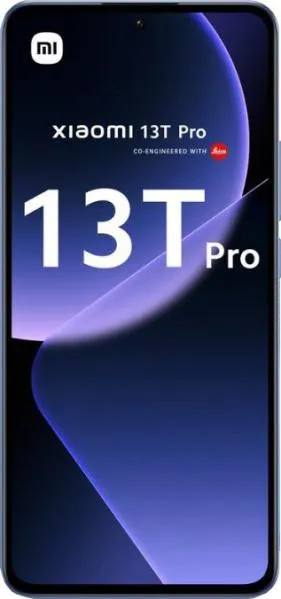
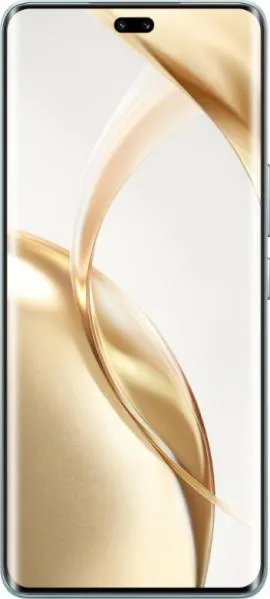
| Feature | Xiaomi 13T Pro | Honor 200 Pro | Practical Impact |
|---|---|---|---|
| Design | |||
| Dimensions | 162.2 x 75.7 x 8.5 mm | 163.3 x 75.2 x 8.2 mm | Virtually identical in hand feel. Honor slightly taller and thinner. |
| Weight | 200g | 199g | Negligible weight difference. |
| Build Materials | Not specified | Not specified | Cannot compare build quality and durability without more information. |
| Display | |||
| Display Type | AMOLED, 68B colors | OLED, 1B colors | Xiaomi offers significantly better color accuracy and depth with 68B colors vs 1B. Noticeable in professional photo/video editing and for discerning viewers. |
| Display Size | 6.67" | 6.78" | Honor slightly larger; minimal difference in real-world usage. |
| Resolution | 1220x2712 | 1224x2700 | Nearly identical pixel density, resulting in similar sharpness. |
| Refresh Rate | 144Hz | 120Hz | Xiaomi's 144Hz provides smoother animations and scrolling, particularly noticeable in gaming and fast-paced UI interactions. |
| Peak Brightness | 2600 nits (typical), | 4000 nits (peak) | Xiaomi provides typical brightness, while Honor provides peak. Difficult to compare directly. Honor likely performs better in direct sunlight, though sustained brightness might be lower. |
| Performance | |||
| Chipset | Mediatek Dimensity 9200+ (4 nm) | Qualcomm Snapdragon 8s Gen 3 (4 nm) | Both are high-end chipsets offering excellent performance. Benchmarking scores would be needed for precise comparison. |
| CPU | Octa-core (1x3.35 GHz Cortex-X3 & 3x3.0 GHz Cortex-A715 & 4x2.0 GHz Cortex-A510) | Octa-core (1x3.0 GHz Cortex-X4 & 4x2.8 GHz Cortex-A720 & 3x2.0 GHz Cortex-A520) | Both CPUs are powerful; differences likely negligible for average users. Detailed benchmarking required for accurate performance comparison. |
| GPU | Immortalis-G715 MC11 | Adreno 735 | Gaming performance comparison requires benchmarks. |
| RAM/Storage | 512GB/12GB, 1000GB/16GB | 512GB/12GB | Xiaomi offers a 1TB storage option for users needing extensive local storage. |
| Camera | |||
| Video Capabilities | 8K@24fps, 4K@ up to 60fps, 1080p up to 240fps | 4K@30fps, 1080p@ up to 60fps | Xiaomi offers significantly more versatile video recording options, including higher resolution (8K) and frame rates (up to 240fps slow-motion). |
| Specific Camera Specs | Not specified for either phone | Not specified for either phone | Cannot compare image quality, low-light performance, or camera features without detailed sensor and lens information. |
| Battery | |||
| Capacity | 5000 mAh | 5200 mAh | Honor has a slightly larger battery, but real-world battery life depends on numerous factors including software optimization and display usage. |
2. Key Differences Analysis
Xiaomi 13T Pro Advantages:
- Superior Display: Wider color gamut (68B vs 1B) and higher refresh rate (144Hz vs 120Hz) provide a noticeably smoother and more visually appealing experience.
- More Versatile Video Recording: Offers 8K recording and higher frame rate options for slow-motion.
- Larger Storage Option: Availability of a 1TB storage variant caters to users with high storage demands.
Honor 200 Pro Advantages:
- Potentially Brighter Display: Higher peak brightness may offer better visibility in direct sunlight.
- Slightly Larger Battery: Potentially longer battery life, though real-world usage will vary.
- Newer Android Version: Ships with Android 14 (vs Android 13 on Xiaomi), offering potential software advantages and longer update support.
3. User Profiles & Recommendations
Xiaomi 13T Pro: Ideal for users prioritizing display quality, smooth performance, versatile video recording, and ample storage. Suitable for mobile gamers, content creators, and power users.
Honor 200 Pro: Potentially better for users who primarily value battery life and outdoor screen visibility. Also a good choice for those who want the latest Android version out of the box.
4. Decision Framework
Key Questions for Buyers:
- Is display quality a top priority? If yes, the Xiaomi's superior color accuracy and refresh rate are significant advantages.
- How important is video recording capability? If you frequently record videos, the Xiaomi's 8K and high frame rate options are crucial.
- Do you need a large amount of local storage? The Xiaomi's 1TB option addresses this need.
My Choice: Xiaomi 13T Pro
While the Honor 200 Pro boasts a slightly larger battery and potentially brighter peak brightness, the Xiaomi 13T Pro's significantly superior display (color accuracy and refresh rate) and more versatile video recording capabilities are decisive factors for me. The availability of a 1TB storage option is a welcome bonus. As a user who values a smooth and visually immersive experience, along with the ability to capture high-quality videos, the Xiaomi 13T Pro better aligns with my priorities. The slightly older Android version is less of a concern as Xiaomi has a decent track record of software updates.
