1. Specifications Comparison
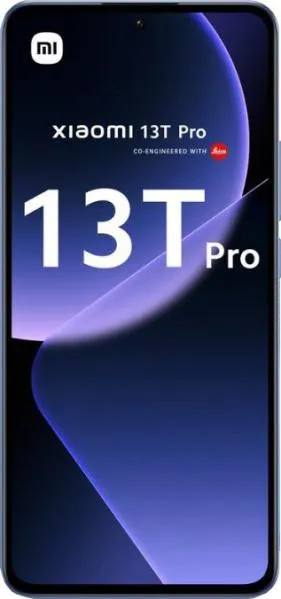
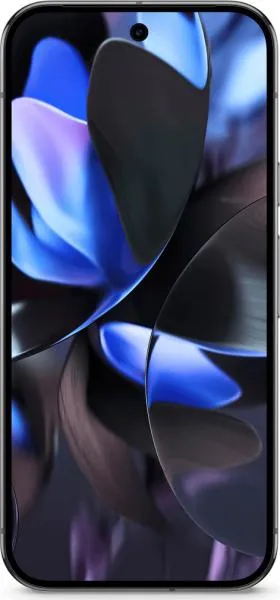
| Feature | Xiaomi 13T Pro | Google Pixel 9 Pro XL | Practical Impact |
|---|---|---|---|
| Design | |||
| Dimensions | 162.2 x 75.7 x 8.5 mm | 162.8 x 76.6 x 8.5 mm | Virtually identical in size and thickness. |
| Weight | 200g | 221g | Pixel 9 Pro XL is noticeably heavier, potentially impacting one-handed use. |
| Build Materials | Not specified | Not specified | Cannot compare build quality and durability. |
| Display | |||
| Size | 6.67 inches | 6.8 inches | Pixel offers slightly larger screen real estate. |
| Type | AMOLED, 144Hz | LTPO OLED, 120Hz | Both offer excellent displays. Xiaomi's higher refresh rate provides smoother animations; Pixel's LTPO allows for more power-efficient variable refresh rate. |
| Resolution | 1220 x 2712 | 1344 x 2992 | Pixel has a slightly sharper display due to higher resolution and pixel density. |
| Peak Brightness | 2600 nits | 3000 nits | Pixel's higher peak brightness improves outdoor visibility. |
| Performance | |||
| Chipset | Mediatek Dimensity 9200+ | Google Tensor G4 | Both are high-end chipsets, but Tensor G4 is expected to excel in AI and machine learning tasks, potentially leading to better camera processing and voice assistant performance. Dimensity 9200+ is likely to perform better in raw benchmarks and gaming. |
| CPU | Octa-core (Cortex-X3, A715, A510) | Octa-core (Cortex-X4, A720, A520) | Pixel's newer CPU architecture may offer slightly better performance and efficiency. |
| GPU | Immortalis-G715 MC11 | Mali-G715 MC7 | Xiaomi's GPU likely has a slight edge in graphical performance due to more cores (MC11 vs. MC7). |
| RAM | 12GB/16GB | 16GB | Pixel offers more RAM in all configurations, benefiting multitasking and demanding applications. |
| Storage | 512GB, 1TB | 256GB, 512GB, 1TB | Both offer ample storage options. |
| Camera | |||
| Specific sensor details | Not provided for either phone | Not provided for either phone | Cannot compare camera quality and features without sensor specifics. |
| Video Capabilities | Up to 8K@24fps | Up to 8K@30fps | Both offer extensive video recording capabilities; Pixel can record 8K at a higher frame rate. The presence of OIS on the Pixel indicates potentially better video stabilization. |
| Battery | |||
| Capacity | 5000 mAh | 5060 mAh | Negligible difference in battery capacity. Real-world battery life will depend on optimization and usage patterns. |
| Charging Speed | Not specified | Not specified | Cannot compare charging speeds. |
2. Key Differences Analysis
Xiaomi 13T Pro Advantages:
- Higher Refresh Rate Display: Smoother scrolling and animations.
- Potentially Better Gaming Performance: Due to the more powerful GPU.
- Potentially Lower Price: Positioned in the "medium price" range.
Google Pixel 9 Pro XL Advantages:
- Brighter Display: Better outdoor visibility.
- More RAM: Improved multitasking and performance with demanding apps.
- Newer OS with Longer Support: Android 14 with updates guaranteed up to Android 21.
- Superior AI Capabilities: Tensor G4 excels in AI processing, leading to better camera features, voice assistant, and overall user experience.
- Expected Superior Camera Performance: Historically, Pixel phones have excelled in camera quality, leveraging Google's advanced image processing. This is likely to continue with the Pixel 9 Pro XL, especially given the Tensor G4's AI capabilities. This advantage cannot be definitively confirmed without sensor specifications.
- Optical Image Stabilization (OIS) in Video: Offers smoother and more stable video footage.
3. User Profiles & Recommendations
Xiaomi 13T Pro: Users prioritizing performance, gaming, and a high refresh rate display on a budget.
Google Pixel 9 Pro XL: Users prioritizing the best camera, AI features, long-term software updates, a bright display, and willing to pay a premium.
4. Decision Framework
Key Questions for Buyers:
- What is your budget? The Pixel 9 Pro XL is expected to be significantly more expensive.
- What are your primary use cases? Gaming and media consumption vs. photography, AI-powered features, and overall user experience.
- How important is software support and updates? Pixel phones generally receive longer software updates.
My Choice: Google Pixel 9 Pro XL
While the Xiaomi 13T Pro boasts impressive specifications for its price, I would choose the Google Pixel 9 Pro XL. The combination of Google's Tensor G4 chip with its AI prowess, consistently excellent camera performance (expected to continue here), longer software update guarantee, and brighter display outweighs the Xiaomi's advantages in refresh rate and potentially GPU performance for me. I value a smooth, well-rounded experience with cutting-edge features and long-term reliability, even at a premium price. The inclusion of OIS for video recording further solidifies this choice for capturing higher quality videos.
