1. Specifications Comparison
| Feature | Xiaomi 13T Pro | Google Pixel 8a | Practical Impact |
|---|---|---|---|
| Design | |||
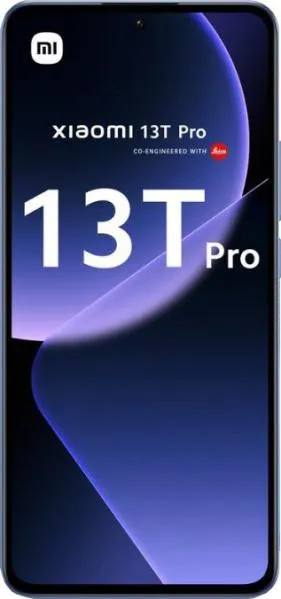
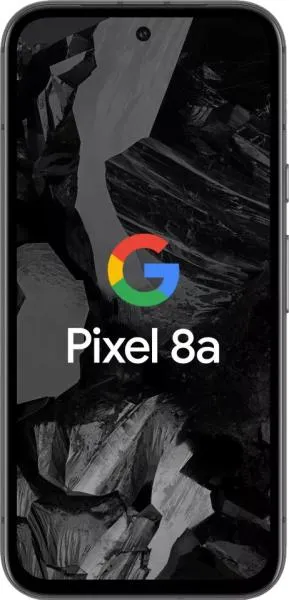
| Dimensions | 162.2 x 75.7 x 8.5 mm | 152.1 x 72.7 x 8.9 mm | Pixel 8a is noticeably smaller and slightly thicker, making it potentially more pocketable but possibly less comfortable for extended one-handed use. |
| Weight | 200g | 188g | The Pixel 8a is lighter, reducing hand fatigue during prolonged use. |
| Build Materials | Unspecified | Unspecified | Build material impacts durability and premium feel; lacking this information limits comparison. |
| Display | |||
| Size | 6.67" | 6.1" | The Xiaomi offers a significantly larger screen, better for media consumption and multitasking, but less pocketable. |
| Type | AMOLED, 144Hz | OLED, 120Hz | Both offer excellent contrast and vibrant colors. The 144Hz refresh rate on the Xiaomi provides smoother animations and scrolling compared to 120Hz on the Pixel, especially noticeable in gaming. |
| Resolution | 1220 x 2712 | 1080 x 2400 | Xiaomi boasts a sharper display due to higher resolution, resulting in crisper text and images. |
| Peak Brightness | 2600 nits | 2000 nits | Xiaomi's significantly higher peak brightness ensures better visibility in direct sunlight. |
| Performance | |||
| Chipset | Mediatek Dimensity 9200+ | Google Tensor G3 | Both are powerful 4nm chips. Dimensity 9200+ generally benchmarks higher in raw performance, but Tensor G3 excels in AI and machine learning tasks, potentially leading to a smoother, more personalized user experience. |
| RAM/Storage | 12GB/512GB, 16GB/1GB | 8GB/256GB | Xiaomi offers more RAM and storage options, providing better multitasking and ample space for apps and files. The Pixel's single configuration might limit users with high storage needs. |
| Camera | |||
| Rear Camera Specs | Unspecified | Unspecified | Lack of detailed camera specs (sensor size, aperture, etc.) makes a meaningful comparison impossible. |
| Video Capabilities | Up to 8K@24fps | Up to 4K@60fps | Xiaomi offers higher resolution video recording (8K), but 4K at 60fps on the Pixel is likely more practical for most users. |
| Battery | |||
| Capacity | 5000 mAh | 4492 mAh | Xiaomi's larger battery likely translates to longer battery life. |
| Charging Speed | Unspecified | Unspecified | Charging speed significantly impacts usability; this omission hinders a complete comparison. |
2. Key Differences Analysis
Xiaomi 13T Pro Advantages:
- Larger, sharper, and brighter display: Better for media consumption, gaming, and outdoor use.
- More powerful CPU and more RAM/Storage options: Superior for demanding tasks and multitasking.
- Higher resolution video recording: Captures more detail, although potentially at the cost of larger file sizes.
- Larger battery: Potentially longer battery life.
Google Pixel 8a Advantages:
- Smaller and lighter: Easier to handle and carry.
- Tensor G3 chip with AI focus: Potentially smoother user experience and superior AI-powered features.
- Longer software support: Pixel phones generally receive more OS and security updates than other Android devices.
3. User Profiles & Recommendations
Xiaomi 13T Pro: Ideal for users who prioritize performance, a large and high-quality display, and extensive storage. Suitable for power users, gamers, and multimedia enthusiasts.
Google Pixel 8a: Best for users who value a compact and lightweight phone with a smooth user experience, consistent software updates, and strong AI capabilities. Suitable for users who prioritize software over raw specs and appreciate a clean Android experience.
4. Decision Framework
Key Questions for Buyers:
- What screen size do you prefer? Larger screen for media or smaller for portability?
- How important is raw performance vs. software experience and AI features?
- What is your budget and storage requirement?
Scenario-Based Recommendations:
- Heavy gamer: Xiaomi 13T Pro for its higher refresh rate display and powerful processor.
- Frequent traveler: Pixel 8a for its smaller size and lighter weight.
- Photography enthusiast: Cannot make a recommendation without detailed camera specifications.
My Choice:
I would choose the Xiaomi 13T Pro. While the Pixel 8a offers a compelling software experience and compact form factor, the Xiaomi 13T Pro's superior display, performance, and larger battery are more appealing to me. The 144Hz display and more powerful chipset would provide a noticeable improvement in everyday use and gaming. The larger battery capacity is also a crucial factor for me. Although lacking specific camera details hinders a complete assessment, the overall package of the Xiaomi 13T Pro aligns better with my priorities for a smartphone. I value a large, high-quality screen and robust performance. The potential trade-off of a slightly larger and heavier device is acceptable considering the significant gains in other areas.
