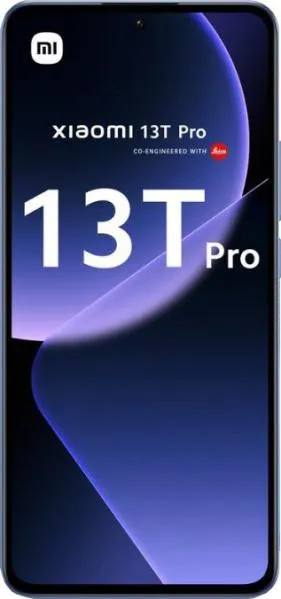
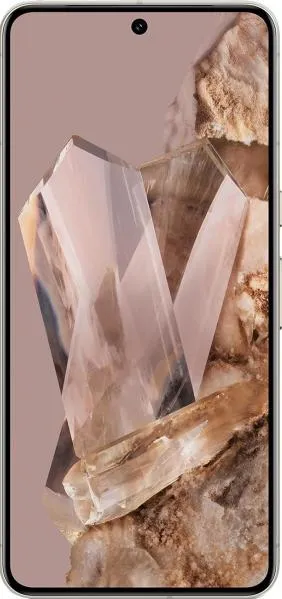
1. Specifications Comparison
| Feature | Xiaomi 13T Pro | Google Pixel 8 Pro | Practical Impact |
|---|---|---|---|
| Design | |||
| Dimensions | 162.2x75.7x8.5mm | 162.6x76.5x8.8mm | Virtually identical in hand feel. |
| Weight | 200g | 213g | Pixel 8 Pro noticeably heavier, potentially impacting one-handed use. |
| Build | Not specified | Not specified | Build quality impact on durability and premium feel cannot be assessed. |
| Display | |||
| Size | 6.67" | 6.7" | Negligible size difference. |
| Type | AMOLED, 144Hz | LTPO OLED, 120Hz | Xiaomi offers smoother scrolling and animations; Pixel likely has better battery efficiency due to variable refresh rate. |
| Resolution | 1220x2712 | 1344x2992 | Pixel has a slightly sharper display due to higher pixel density (489 vs 446 ppi). |
| Peak Brightness | 2600 nits | 2400 nits | Xiaomi offers better outdoor visibility in direct sunlight. |
| Performance | |||
| Chipset | Mediatek Dimensity 9200+ | Google Tensor G3 | Both are high-end chipsets, but performance benchmarks are needed for accurate comparison. Tensor G3 is expected to excel in AI and machine learning tasks. |
| CPU | Octa-core (1x3.35 GHz X3...) | Nona-core (1x3.0 GHz X3...) | Core configuration differences require benchmarking for real-world performance comparison. |
| GPU | Immortalis-G715 MC11 | Immortalis-G715s MC10 | Minor GPU differences likely result in negligible gaming performance variations. MC11 in the Xiaomi might provide a slight edge in graphics intensive tasks. |
| RAM | 12GB/16GB | 12GB | Xiaomi offers a 16GB RAM option for potentially improved multitasking. |
| Storage | 512GB/1TB | 256GB/512GB/1TB | Both offer ample storage options. |
| Camera | |||
| Specific sensor details | Missing | Missing | Cannot compare camera quality without sensor specifications and aperture information. |
| Video Capabilities | Up to 8K@24fps | Up to 4K@60fps | Xiaomi offers 8K recording, but practical benefits depend on user needs and display devices. Pixel likely prioritizes image processing and stabilization (OIS+EIS). |
| Battery | |||
| Capacity | 5000 mAh | 5050 mAh | Negligible difference in battery capacity. Real-world battery life depends on software optimization and usage patterns. |
| Charging Speed | Not specified | Not specified | Charging speed significantly impacts usability, but cannot be compared without data. |
2. Key Differences Analysis
Xiaomi 13T Pro Advantages:
- Higher Refresh Rate Display: Smoother scrolling and animations.
- Brighter Display: Better outdoor visibility.
- Potentially Higher Peak Performance: Dimensity 9200+ and potential 16GB RAM configuration may offer advantages in demanding tasks, but requires real-world testing to confirm.
- 8K Video Recording: Offers higher resolution video recording, though practical benefits are debatable.
Google Pixel 8 Pro Advantages:
- Slightly Sharper Display: Higher pixel density.
- More Mature Software Experience: Pixel devices typically receive faster updates and longer support.
- Expected AI and Machine Learning Enhancements: Tensor G3 is likely optimized for AI tasks and computational photography.
- Potentially Better Camera Image Quality: Google's computational photography expertise traditionally results in excellent image quality, however, cannot be assessed without detailed camera specs.
3. User Profiles & Recommendations
Xiaomi 13T Pro: Users prioritizing performance, smooth display, and high resolution video recording. Ideal for mobile gamers, content creators who need high resolution video, and those who frequently use their phone in bright sunlight.
Google Pixel 8 Pro: Users prioritizing software experience, AI features, camera quality, and potentially longer software updates. Ideal for users who value a clean Android experience, rely on Google services, and prioritize taking high-quality photos.
4. Decision Framework
Key Questions for Buyers:
- What is your budget and which phone offers better value at that price point?
- Which features are most important to you (e.g., display smoothness, camera quality, software updates)?
- Do you prioritize raw performance or a more refined software experience?
Scenario-based recommendations
- Budget-conscious user: Need more pricing information to determine best value.
- Mobile gamer: Xiaomi 13T Pro due to the 144Hz refresh rate display and potentially higher peak performance.
- Photography enthusiast: Leaning towards Pixel 8 Pro due to Google's strong track record in camera performance, but require more camera specification details for definitive recommendation.
My Choice: Tentatively Google Pixel 8 Pro
While the Xiaomi 13T Pro offers compelling hardware, especially the display, I would tentatively choose the Google Pixel 8 Pro. My reasoning is primarily based on Google's consistent delivery of excellent software experiences, timely updates, and class-leading computational photography. I value a clean and bloatware-free Android experience with regular security updates. Although missing key camera details hinder a complete comparison, Google's history suggests the Pixel 8 Pro will likely offer a superior camera experience. Furthermore, the slightly sharper display and potential advantages of the Tensor G3 in AI tasks appeal to my usage patterns. However, a firm decision requires concrete camera specifications, benchmark results for both phones, and a detailed pricing comparison.
