1. Specifications Comparison
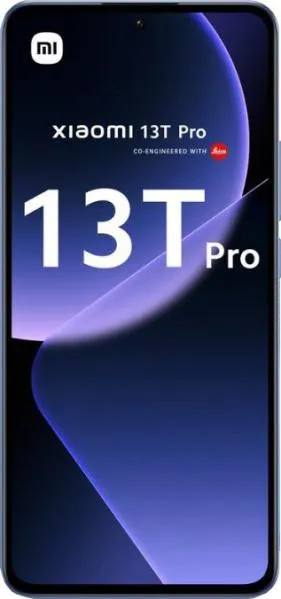
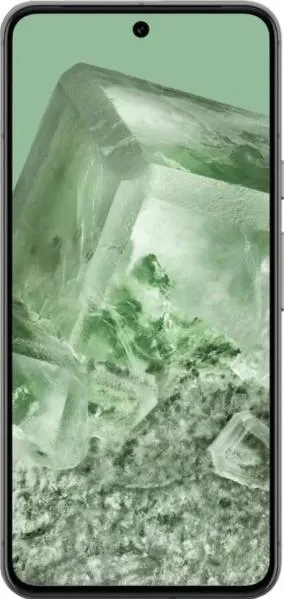
| Feature | Xiaomi 13T Pro | Google Pixel 8 | Practical Impact |
|---|---|---|---|
| Design | |||
| Dimensions | 162.2 x 75.7 x 8.5 mm | 150.5 x 70.8 x 8.9 mm | Pixel 8 is noticeably smaller and might be more comfortable for one-handed use. |
| Weight | 200g | 187g | Pixel 8 is slightly lighter, reducing hand fatigue during extended use. |
| Display | |||
| Size | 6.67" | 6.2" | Xiaomi offers a larger screen for more immersive media consumption. Pixel 8 is more pocketable. |
| Type | AMOLED, 144Hz | OLED, 120Hz | Both offer smooth scrolling and animations. Xiaomi's 144Hz might provide a slightly more fluid experience in fast-paced games, but the difference is often imperceptible in everyday use. |
| Resolution | 1220 x 2712 | 1080 x 2400 | Xiaomi boasts a sharper display (446 ppi vs 428 ppi). |
| Peak Brightness | 2600 nits | 2000 nits | Xiaomi's screen will be significantly brighter outdoors in direct sunlight. |
| Performance | |||
| Chipset | Mediatek Dimensity 9200+ | Google Tensor G3 | Both are high-end chipsets offering excellent performance. Benchmarking comparisons would be needed for definitive conclusions. Tensor G3 is optimized for AI tasks. |
| CPU | Octa-core (1x3.35 GHz Cortex-X3 & 3x3.0 GHz Cortex-A715 & 4x2.0 GHz Cortex-A510) | Nona-core (1x3.0 GHz Cortex-X3 & 4x2.45 GHz Cortex-A715 & 4x2.15 GHz Cortex-A510) | Slight core clock speed differences exist, but real-world performance depends on optimization. |
| GPU | Immortalis-G715 MC11 | Immortalis-G715s MC10 | Xiaomi's GPU might have a slight performance edge in graphics-intensive tasks. Requires further benchmarking for confirmation. |
| RAM/Storage | 12/512GB, 16/1000GB | 8/256GB | Xiaomi offers significantly more RAM and storage in its configurations. Heavy multitaskers and those who need ample storage will prefer the Xiaomi. |
| Battery | |||
| Capacity | 5000 mAh | 4575 mAh | Xiaomi has a larger battery, potentially leading to longer battery life. Real-world usage will vary. |
| Software | |||
| OS | Android 13 | Android 14 | Pixel 8 launches with the latest Android version and will receive longer OS updates directly from Google. |
| Camera | |||
| Video Capabilities | Up to 8K@24fps | Up to 4K@60fps | Xiaomi can record in higher resolution (8K), but Pixel generally excels in computational photography and video quality thanks to Google's software processing. File sizes for 8K video will be very large. Pixel features OIS (Optical Image Stabilization) for smoother video recording. |
2. Key Differences Analysis
Xiaomi 13T Pro Advantages:
- Larger, sharper, and brighter display: More immersive for media consumption and better visibility outdoors.
- More RAM and Storage Options: Better for multitasking and storing large files.
- Larger Battery: Potential for longer battery life.
- Higher Resolution Video Recording: Ability to capture more detail, but with significantly larger file sizes.
Google Pixel 8 Advantages:
- Smaller and Lighter: More comfortable for one-handed use and portability.
- Latest Android Version and Longer Support: Ensures access to new features and security updates for a longer period.
- Superior Computational Photography (Expected): Google's Pixel phones are known for excellent image processing, likely surpassing Xiaomi in overall photo and video quality despite lower resolution video recording capability.
- Optical Image Stabilization (OIS) for Video: Smoother video footage compared to Xiaomi's EIS (Electronic Image Stabilization).
3. User Profiles & Recommendations
Xiaomi 13T Pro: Users who prioritize a large, bright, and sharp display, ample storage and RAM, and long battery life. Ideal for media consumption, gaming, and power users.
Google Pixel 8: Users who value a compact and lightweight phone with the latest software, guaranteed long-term updates, and top-notch camera performance. Best for users who prioritize software experience, portability, and photography.
4. Decision Framework
Key Questions:
- What screen size and portability do you prefer? Larger screen (Xiaomi) vs. more compact (Pixel).
- How important is software support and updates? Longer support (Pixel) vs. potentially shorter (Xiaomi).
- What are your priorities regarding camera and performance? Raw specs (Xiaomi) vs. computational photography and AI performance (Pixel).
My Choice: Google Pixel 8
While the Xiaomi 13T Pro boasts impressive specifications on paper, especially regarding the display and battery, I would choose the Google Pixel 8. My reasoning is primarily based on the following:
- Software Experience: The pure Android experience with guaranteed long-term updates is crucial for me. Pixel's timely security updates and new feature releases are a major advantage.
- Camera Quality: Historically, Pixel phones have consistently delivered outstanding camera performance thanks to Google's advanced image processing. While the Xiaomi might offer 8K video recording, I prioritize overall image and video quality, expecting the Pixel to excel in this area due to superior computational photography.
- Compact Form Factor: I prefer a smaller phone that's easier to handle and carry.
Ultimately, the best choice depends on individual needs and priorities. The Xiaomi 13T Pro offers compelling hardware, but the Pixel 8's software advantages, expected camera prowess, and compact design align better with my personal preferences.
