1. Specifications Comparison
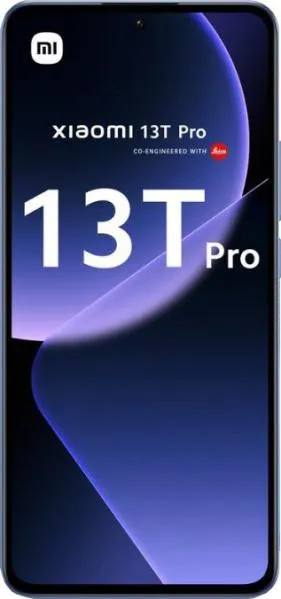
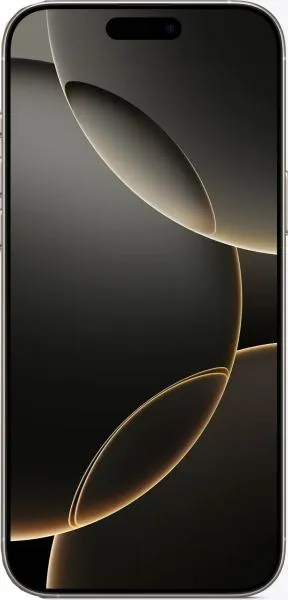
| Feature | Xiaomi 13T Pro | Apple iPhone 16 Pro Max | Practical Impact |
|---|---|---|---|
| Design | |||
| Dimensions | 162.2 x 75.7 x 8.5 mm | 163 x 77.6 x 8.3 mm | iPhone 16 Pro Max is slightly taller and wider, but marginally thinner. Difference in hand feel will be minimal for most users. |
| Weight | 200g | 227g | Xiaomi 13T Pro is noticeably lighter, reducing hand fatigue during extended use. |
| Build Materials | Not specified | Not specified | Cannot compare without specific material information. |
| Display | |||
| Size | 6.67" | 6.9" | iPhone 16 Pro Max offers a larger display, beneficial for media consumption and multitasking. |
| Type | AMOLED, 144Hz | LTPO Super Retina XDR OLED, 120Hz | Both are high-quality displays. Xiaomi offers a higher refresh rate for smoother animations, while iPhone uses LTPO for potentially better power efficiency. |
| Resolution | 1220 x 2712 | 1320 x 2868 | iPhone has a slightly higher resolution, but the difference in sharpness will be negligible on screens of this size. |
| Peak Brightness | 2600 nits | 2000 nits (HBM) | Xiaomi offers significantly higher peak brightness, improving outdoor visibility. |
| Performance | |||
| Chipset | Mediatek Dimensity 9200+ (4 nm) | Apple A18 Pro (3 nm) | A18 Pro is expected to outperform the Dimensity 9200+, especially in GPU performance, based on Apple's historical chip leadership. Real-world performance differences may vary. |
| CPU | Octa-core (1x3.35 GHz Cortex-X3 & 3x3.0 GHz Cortex-A715 & 4x2.0 GHz Cortex-A510) | Hexa-core (2x4.05 GHz + 4x2.42 GHz) | Core configurations differ, but raw clock speeds don't directly translate to performance. A18 Pro likely offers better single-core and potentially multi-core performance. |
| GPU | Immortalis-G715 MC11 | Apple GPU (6-core graphics) | Apple's custom GPUs typically offer leading performance in graphics-intensive tasks and gaming. |
| RAM | 12GB/16GB | 8GB | Xiaomi offers more RAM, potentially benefiting multitasking and keeping more apps open in the background. However, iOS memory management is typically more efficient than Android. |
| Storage | 512GB, 1TB | 512GB, 1TB | Storage options are comparable. |
| Battery | |||
| Capacity | 5000 mAh | 4685 mAh | Xiaomi has a larger battery capacity, suggesting potentially longer battery life. Real-world usage will depend on software optimization and individual usage patterns. |
| Other | |||
| OS | Android 13 | iOS 18 | OS choice is a matter of personal preference, impacting user interface, app ecosystem, and privacy features. |
| Price | Medium | High | Xiaomi offers a lower price point for similar specifications in many areas. |
2. Key Differences Analysis
Xiaomi 13T Pro Advantages:
- Higher Refresh Rate Display: Smoother scrolling and animations.
- Brighter Display: Better outdoor visibility.
- Larger Battery: Potential for longer battery life.
- More RAM: May improve multitasking performance, though iOS optimization could negate this advantage.
- Lower Price: Significantly more affordable.
Apple iPhone 16 Pro Max Advantages:
- Expectedly Superior Performance: A18 Pro chip likely provides a noticeable performance advantage in demanding tasks and gaming.
- Potentially Better Power Efficiency: LTPO display technology can dynamically adjust refresh rate to save power.
- iOS Ecosystem: Access to Apple's tightly integrated ecosystem and specific apps.
Trade-offs:
- Price vs. Performance: Xiaomi offers strong value, but the iPhone is expected to deliver superior performance at a premium price.
- Refresh Rate vs. Battery Life: Xiaomi's higher refresh rate may consume more battery, potentially offsetting the larger battery capacity. iPhone's LTPO aims to balance refresh rate and battery life.
3. User Profiles & Recommendations
Xiaomi 13T Pro: Users seeking a high-performance Android phone with a great display, long battery life, and excellent value for money. Ideal for power users, gamers on a budget, and those who prioritize media consumption.
Apple iPhone 16 Pro Max: Users prioritizing top-tier performance, a seamless iOS experience, and are willing to pay a premium. Ideal for demanding users, content creators, and those deeply invested in the Apple ecosystem.
4. Decision Framework
Key Questions:
- What is your budget? The iPhone commands a significantly higher price.
- What operating system do you prefer? Android or iOS.
- What are your performance needs? For demanding tasks and gaming, the iPhone is likely the better choice.
Scenario-Based Recommendations:
- Budget-conscious gamer: Xiaomi 13T Pro
- Power user seeking the best performance: iPhone 16 Pro Max
- Casual user prioritizing value: Xiaomi 13T Pro
- User heavily invested in the Apple ecosystem: iPhone 16 Pro Max
My Choice: Xiaomi 13T Pro
While the iPhone 16 Pro Max likely offers a performance advantage, the Xiaomi 13T Pro presents exceptional value. Its combination of a high refresh rate and bright display, large battery, ample RAM, and competitive price makes it a compelling option. The performance difference, while likely noticeable in benchmarks, might not significantly impact day-to-day usage for my needs. I prioritize value and the flexibility of Android, making the Xiaomi 13T Pro the better choice for me. The substantial price difference could be used towards other gadgets or invested elsewhere.
