1. Specifications Comparison
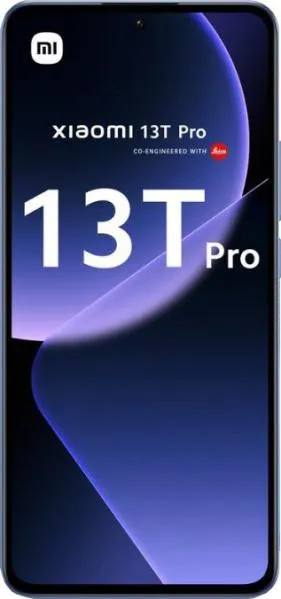
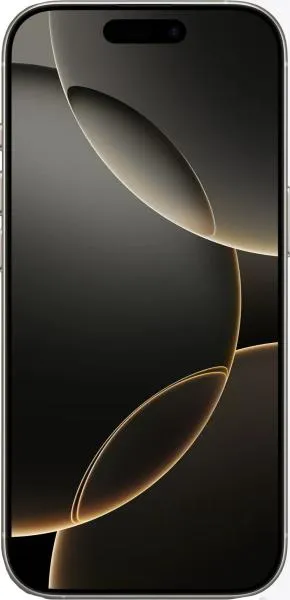
| Feature | Xiaomi 13T Pro | Apple iPhone 16 Pro | Practical Impact |
|---|---|---|---|
| Design | |||
| Dimensions | 162.2 x 75.7 x 8.5 mm | 149.6 x 71.5 x 8.3 mm | iPhone 16 Pro is noticeably smaller and might be more comfortable for one-handed use. |
| Weight | 200g | 199g | Negligible weight difference. |
| Build Materials | Not specified | Not specified | Cannot compare build quality and durability. |
| Display | |||
| Display Size | 6.67" | 6.3" | Xiaomi offers a larger screen for more immersive media consumption. |
| Display Type | AMOLED, 144Hz | LTPO Super Retina XDR OLED, 120Hz | Both are high-quality displays. Xiaomi offers a higher refresh rate for smoother animations, but iPhone's LTPO allows for more power-efficient variable refresh rate. |
| Resolution | 1220 x 2712 | 1206 x 2622 | Similar pixel density; both offer sharp visuals. Xiaomi's slightly higher resolution might provide marginally more detail. |
| Peak Brightness | 2600 nits | 2000 nits (HBM), 1000 nits (typical) | Xiaomi's significantly higher peak brightness ensures better visibility in direct sunlight. |
| Performance | |||
| Chipset | Mediatek Dimensity 9200+ (4nm) | Apple A18 Pro (3nm) | A18 Pro is expected to outperform the Dimensity 9200+, especially in GPU performance, due to Apple's chip design expertise and more advanced manufacturing process. |
| CPU | Octa-core (1x3.35 GHz Cortex-X3 & 3x3.0 GHz Cortex-A715 & 4x2.0 GHz Cortex-A510) | Hexa-core (2x4.05 GHz + 4x2.42 GHz) | Raw clock speeds don't directly translate to real-world performance; Apple's architecture is generally more efficient. |
| GPU | Immortalis-G715 MC11 | Apple GPU (6-core graphics) | Apple's GPUs consistently deliver excellent performance in games and graphically demanding tasks. |
| RAM | 12GB/16GB | 8GB | Xiaomi offers more RAM, potentially benefitting multitasking and keeping more apps in memory. |
| Storage | 512GB/1TB | 256GB/512GB/1TB | Both offer ample storage options. |
| Battery | |||
| Capacity | 5000 mAh | 3582 mAh | Xiaomi offers a significantly larger battery, likely resulting in longer battery life. |
| Other | |||
| OS | Android 13 | iOS 18 | Different operating systems cater to different preferences and ecosystems. |
| USB | USB Type-C 2.0, OTG | USB Type-C 3.2 Gen 2, DisplayPort | iPhone offers faster data transfer and video output capabilities through its USB-C port. |
2. Key Differences Analysis
Xiaomi 13T Pro Advantages:
- Larger Display: More immersive media experience.
- Higher Refresh Rate: Smoother scrolling and animations.
- Higher Peak Brightness: Better outdoor visibility.
- Larger Battery: Potentially longer battery life.
- More RAM: Improved multitasking.
- Lower Price: Offers competitive specifications at a medium price range.
Apple iPhone 16 Pro Advantages:
- More Powerful Chipset: Expected to deliver superior overall performance.
- More Compact Design: Easier one-handed use.
- Faster USB: Quicker data transfer and video output.
- iOS Ecosystem: Seamless integration with other Apple devices and services.
3. User Profiles & Recommendations
Xiaomi 13T Pro: Users prioritizing large screen size, high refresh rate, long battery life, and value for money. Ideal for media consumption, gaming, and multitasking on a budget.
Apple iPhone 16 Pro: Users prioritizing performance, a premium experience, compact design, and integration with the Apple ecosystem. Ideal for demanding tasks, photography/videography, and users heavily invested in Apple services.
4. Decision Framework
Key Questions for Buyers:
- Budget: Are you looking for the best value or willing to pay a premium for top-tier performance and ecosystem integration?
- Performance Needs: Do you require the absolute best performance for demanding tasks or is good enough sufficient?
- Operating System Preference: Do you prefer the flexibility of Android or the simplicity and ecosystem of iOS?
My Choice: Apple iPhone 16 Pro
While the Xiaomi 13T Pro offers compelling features like a larger battery and higher refresh rate display, the iPhone 16 Pro's expected superior performance due to the A18 Pro chip and the tighter integration of hardware and software in the Apple ecosystem are more important to me. I value a smooth and consistent user experience, and historically, Apple's chips have delivered significant performance advantages. The more compact form factor is also appealing. While the price premium is significant, I prioritize performance and a seamless user experience over screen size and battery capacity. The faster USB standard on the iPhone also provides practical benefits for data transfer and connectivity.
