1. Specifications Comparison
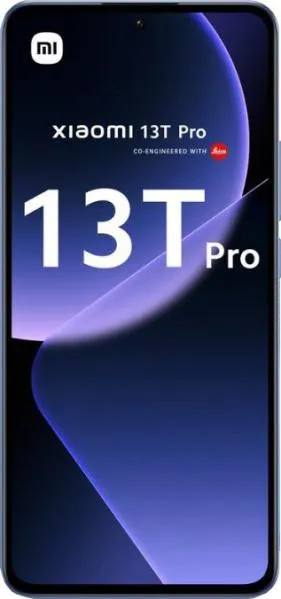
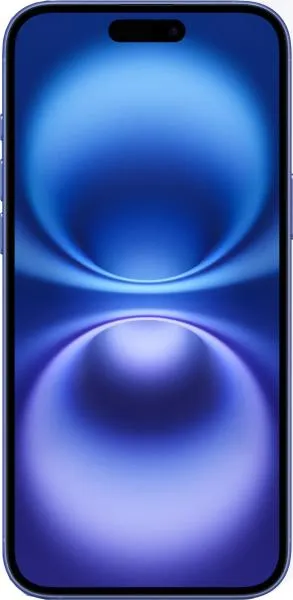
| Feature | Xiaomi 13T Pro | Apple iPhone 16 Plus | Practical Impact |
|---|---|---|---|
| Design | |||
| Dimensions | 162.2 x 75.7 x 8.5 mm | 160.9 x 77.8 x 7.8 mm | iPhone 16 Plus is slightly shorter, narrower, and thinner. Negligible difference in hand feel. |
| Weight | 200g | 199g | Virtually identical weight. |
| Build Materials | Not specified | Not specified | Cannot compare build quality and durability. |
| Display | |||
| Size | 6.67 inches | 6.7 inches | Nearly identical screen sizes. |
| Type | AMOLED, 144Hz | Super Retina XDR OLED | Both offer excellent color accuracy and contrast. 144Hz on Xiaomi offers smoother animations and scrolling compared to iPhone's unspecified refresh rate (likely 60Hz). |
| Resolution | 1220 x 2712 | 1290 x 2796 | Both are sharp displays; iPhone has a slightly higher pixel density (460 vs 446 ppi). |
| Peak Brightness | 2600 nits | 2000 nits (HBM) | Xiaomi offers significantly higher peak brightness, improving outdoor visibility. |
| Performance | |||
| Chipset | Mediatek Dimensity 9200+ (4nm) | Apple A18 (3nm) | A18 is expected to outperform the Dimensity 9200+, especially in GPU performance, based on Apple's historical chip leadership. |
| CPU | Octa-core | Hexa-core | Core count doesn't directly translate to performance; A18's architecture and efficiency are key. |
| GPU | Immortalis-G715 MC11 | Apple GPU (5-core) | Apple's GPUs typically offer superior performance per core compared to Android counterparts. |
| RAM | 12GB/16GB | 8GB | While Xiaomi has more RAM, iOS's memory management is highly efficient. Real-world multitasking performance differences need testing. |
| Storage | 512GB/1000GB | 256GB/512GB | Xiaomi offers larger storage options. |
| Battery | |||
| Capacity | 5000 mAh | 4674 mAh | Xiaomi has a larger battery capacity, potentially leading to longer battery life. |
| Other | |||
| OS | Android 13 | iOS 18 | Different operating systems cater to different user preferences and ecosystems. |
| Charging Speed | Not specified | Not specified | Cannot compare charging speeds. |
2. Key Differences Analysis
Xiaomi 13T Pro Advantages:
- Higher Refresh Rate Display: Smoother scrolling and animations.
- Brighter Display: Better outdoor visibility.
- Larger Battery: Potentially longer battery life.
- Larger Storage Options: More space for apps and files.
- Potentially Lower Price: "Medium price" suggests it might be more affordable than the iPhone.
iPhone 16 Plus Advantages:
- Expectedly Superior Performance: A18 chip likely offers significant performance gains.
- iOS Ecosystem: Seamless integration with other Apple devices and services.
- Longer Software Support: Apple typically provides longer software updates than Android manufacturers.
3. User Profiles & Recommendations
Xiaomi 13T Pro: Users who prioritize a smooth, bright display, large battery, ample storage, and value for money. Suitable for:
- Mobile Gamers: High refresh rate display enhances gaming experience.
- Power Users: Large battery and storage cater to demanding usage.
- Budget-Conscious Buyers: Potentially lower price point.
iPhone 16 Plus: Users prioritizing performance, ecosystem integration, long-term software support, and a premium experience. Suitable for:
- demanding tasks: A18 chip handles demanding apps and workflows.
- Apple Ecosystem Users: Seamless integration with other Apple devices.
4. Decision Framework
Key Questions for Buyers:
- Which operating system do you prefer? Android or iOS?
- What's your budget? Consider the price difference between the two phones.
- What are your priorities? Performance, display, battery life, or ecosystem?
My Choice:
I would choose the iPhone 16 Plus. While the Xiaomi 13T Pro offers compelling features like a 144Hz display and larger battery, the expected performance advantage of the A18 chip and the longer software support offered by Apple are more important to me. I value a smooth, long-term user experience and the seamless integration within the Apple ecosystem. The slightly smaller battery is a trade-off I'm willing to make for the overall performance and longevity of the device. However, if budget is a primary concern, the Xiaomi 13T Pro is a strong contender that deserves serious consideration.
