1. Specifications Comparison
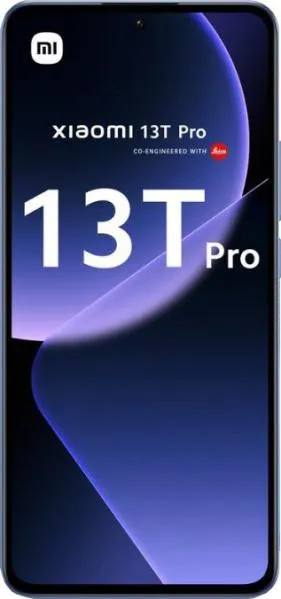
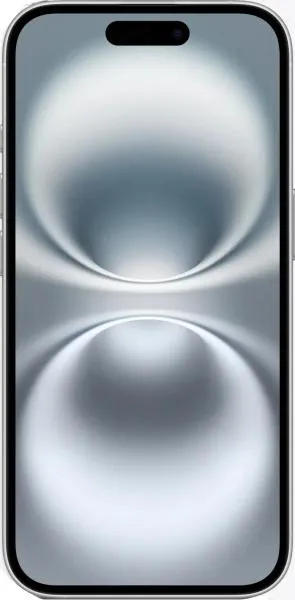
| Feature | Xiaomi 13T Pro | Apple iPhone 16 | Practical Impact |
|---|---|---|---|
| Design | |||
| Dimensions | 162.2 x 75.7 x 8.5 mm | 147.6 x 71.6 x 7.8 mm | iPhone 16 is noticeably smaller and thinner, making it more pocketable and easier to handle one-handed. |
| Weight | 200g | 170g | The iPhone 16 is significantly lighter, reducing hand fatigue during extended use. |
| Build Materials | Not specified | Not specified | Cannot compare without information. |
| Display | |||
| Size | 6.67" | 6.1" | Xiaomi offers a larger screen for more immersive media consumption and multitasking, while the iPhone prioritizes one-handed usability. |
| Type | AMOLED, 144Hz | Super Retina XDR OLED | Both are high-quality displays. The 144Hz refresh rate on the Xiaomi provides significantly smoother scrolling and animations, beneficial for gaming and fast-paced content. |
| Resolution | 1220 x 2712 | 1179 x 2556 | Xiaomi has a slightly higher resolution, resulting in a marginally sharper image. However, both are more than sufficient for everyday use. |
| Peak Brightness | 2600 nits | 2000 nits(HBM), 1000 nits (typ) | Xiaomi's significantly higher peak brightness ensures better visibility in direct sunlight. |
| Performance | |||
| Chipset | Mediatek Dimensity 9200+ (4 nm) | Apple A18 (3 nm) | While both are top-tier chipsets, Apple's A18, built on a more advanced 3nm process, is likely to offer superior performance and power efficiency. Real-world performance depends on optimization. |
| CPU | Octa-core (1x3.35 GHz Cortex-X3 & 3x3.0 GHz Cortex-A715 & 4x2.0 GHz Cortex-A510) | Hexa-core (2x4.04 GHz + 4x2.20 GHz) | Core configuration differences are less important than overall chip optimization. Expect both phones to handle demanding tasks with ease. |
| GPU | Immortalis-G715 MC11 | Apple GPU (5-core graphics) | Apple historically excels in GPU performance. However, without specific benchmarks, a direct comparison is impossible. |
| RAM | 12GB/16GB | 8GB | Xiaomi offers more RAM, potentially benefiting multitasking and keeping more apps open in the background. |
| Storage | 512GB/1000GB | 256GB/512GB | Xiaomi offers a larger storage option (1TB). |
| Battery | |||
| Capacity | 5000 mAh | 3561 mAh | Xiaomi's significantly larger battery capacity likely translates to longer battery life. |
| Camera | |||
| Specific sensor details | Not specified for either phone | Not specified for either phone | Comparison impossible without detailed sensor specifications. Video capabilities suggest both can record high-quality video. |
2. Key Differences Analysis
Xiaomi 13T Pro Advantages:
- Larger, higher refresh rate display: More immersive media consumption and smoother user experience.
- Larger battery: Potentially significantly longer battery life.
- More RAM: Better multitasking performance.
- Higher Peak Brightness: Superior outdoor visibility.
- More storage options: Provides up to 1TB for users needing ample space.
Apple iPhone 16 Advantages:
- More compact and lightweight design: Easier to handle and carry.
- Likely superior processing power and efficiency: Due to the A18 Bionic chip.
- Potentially better GPU performance: Apple's GPUs traditionally outperform competitors.
- iOS ecosystem: Seamless integration with other Apple devices for some users.
3. User Profiles & Recommendations
Xiaomi 13T Pro: Ideal for users who prioritize:
- Media consumption: Large, high-refresh-rate display enhances the experience.
- Mobile gaming: High refresh rate and powerful chipset provide a smooth gaming experience.
- All-day battery life: Large battery capacity reduces the need for frequent charging.
- Multitasking: Ample RAM handles demanding workloads.
Apple iPhone 16: Ideal for users who prioritize:
- One-handed usability: Compact design fits comfortably in hand.
- Performance and efficiency: A18 Bionic chip delivers a fast and fluid experience.
- Integration with Apple ecosystem: Seamless connectivity with other Apple devices.
- Premium build quality (assumed): iPhones are generally known for their build quality.
4. Decision Framework
Key Questions for Buyers:
- What screen size and form factor do you prefer? Larger screen for media consumption vs. smaller size for one-handed use.
- How important is battery life? Xiaomi likely offers significantly longer battery life.
- Which operating system and ecosystem do you prefer? Android vs. iOS.
Scenario-Based Recommendations:
- Heavy media consumer/gamer: Xiaomi 13T Pro
- User prioritizing portability and one-handed use: iPhone 16
- User heavily invested in Apple ecosystem: iPhone 16
My Choice: Xiaomi 13T Pro
While the iPhone 16 likely offers superior processing power and a more refined software experience, the Xiaomi 13T Pro's combination of a large, high refresh rate display, massive battery, and ample RAM is more compelling to me. I prioritize a long-lasting battery, smooth performance for gaming and media consumption, and multitasking capabilities. The brighter display for outdoor use is a significant advantage as well. While I acknowledge the potential benefits of the A18 chip and iOS ecosystem, the Xiaomi's advantages better align with my personal needs and preferences. The larger storage options are also a plus for my usage. Finally, the price-to-performance ratio of the Xiaomi is likely to be superior given its "medium price" range designation, although precise pricing information is missing.
