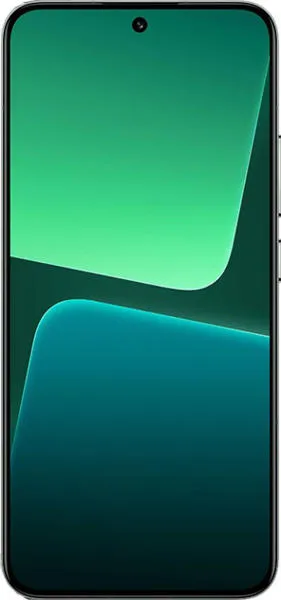

Xiaomi 13 vs. Redmi Note 13 Pro+: A Deep Dive
Hello, fellow tech enthusiasts! Today, we're dissecting two compelling smartphones from Xiaomi: the flagship Xiaomi 13 and the mid-range contender, the Redmi Note 13 Pro+. Let's cut through the marketing jargon and see how these devices stack up in the real world.
1. Specifications Breakdown
| Feature | Xiaomi 13 | Xiaomi Redmi Note 13 Pro+ | Real-World Implications |
|---|---|---|---|
| Design | |||
| Dimensions (mm) | 152.8 x 71.5 x 8 | 161.4 x 74.2 x 8.9 | 13 is more compact, Pro+ is larger |
| Weight (g) | 185 | 199 | 13 is noticeably lighter |
| Display | |||
| Size (inches) | 6.36 | 6.67 | Pro+ offers a larger screen for media consumption |
| Resolution (px) | 1080 x 2400 | 1220 x 2712 | Pro+ has a slightly sharper display |
| Refresh Rate (Hz) | 120 | 120 | Both offer smooth scrolling and animations |
| Display Type | AMOLED | AMOLED | Both deliver vibrant colors and deep blacks |
| Peak Brightness (nits) | 1900 | 1800 | 13 can get slightly brighter outdoors |
| Performance | |||
| Chipset | Snapdragon 8 Gen 2 | Dimensity 7200 Ultra | 13 boasts significantly faster CPU and GPU performance |
| CPU | Octa-core (Cortex-X3, A715, A710, A510) | Octa-core (Cortex-A715, A510) | 13 handles demanding tasks with greater ease |
| RAM (GB) | 8/12 | 8/12/16 | More RAM options on Pro+, but 13's chip utilizes it better |
| Camera | |||
| Main Camera (MP) | 50 (IMX800) | 200 (HP3) | Pro+ has higher resolution, 13 has a larger sensor |
| Ultrawide (MP) | 13 | 8 | 13 has a higher resolution ultrawide |
| Telephoto (MP) | 10 (OIS) | 2 (Depth Sensor) | 13 has a dedicated telephoto lens with optical stabilization |
| Battery Life | |||
| Capacity (mAh) | 4500 | 5000 | Pro+ offers a larger battery capacity |
| Other | |||
| Price Range | High | Mid | 13 is significantly more expensive |
2. Key Insights
The Xiaomi 13 excels in raw performance thanks to the Snapdragon 8 Gen 2. This translates to smoother gaming, faster app loading, and superior multitasking. The Redmi Note 13 Pro+, while using a capable Dimensity 7200 Ultra, doesn't quite reach the same level of performance.
The Pro+ boasts a 200MP main camera sensor, but megapixels don't tell the whole story. The Xiaomi 13's larger sensor and wider aperture on the main camera could potentially deliver better low-light performance. The dedicated telephoto lens on the 13 also provides more versatile zoom capabilities. The Pro+ relies on digital zoom from its high-resolution sensor, which often results in lower quality images compared to optical zoom.
While the Redmi Note 13 Pro+ has a larger battery, the Xiaomi 13's more power-efficient chip might lead to comparable real-world battery life.
3. User Profiles and Recommendations
Xiaomi 13: Ideal for power users, gamers, and photography enthusiasts who demand top-tier performance and a premium camera system. The compact form factor is a bonus for those who prefer one-handed use.
Redmi Note 13 Pro+: A great option for budget-conscious users who prioritize a large display, long battery life, and a high-resolution main camera. It's suitable for everyday tasks, social media, and casual gaming.
4. Buying Decision Framework
- What's your budget? The Xiaomi 13 commands a flagship price, while the Redmi Note 13 Pro+ offers excellent value for its mid-range cost.
- What are your performance needs? For demanding tasks and gaming, the Xiaomi 13 is the clear winner.
- What kind of photography do you do? The Xiaomi 13's versatile camera system with a dedicated telephoto lens edges out the Pro+'s high-resolution sensor for overall image quality and flexibility.
My Choice: The Xiaomi 13
If I were choosing between these two, I'd go with the Xiaomi 13. While the Redmi Note 13 Pro+ offers tempting features like a larger battery and higher resolution main camera, the Xiaomi 13's superior performance, more refined camera system with a dedicated telephoto lens, and compact design are compelling. The Snapdragon 8 Gen 2's significant performance advantage future-proofs the device, ensuring a smooth and responsive experience for years to come. For me, the performance and overall user experience offered by the Xiaomi 13 justify the higher price tag.
