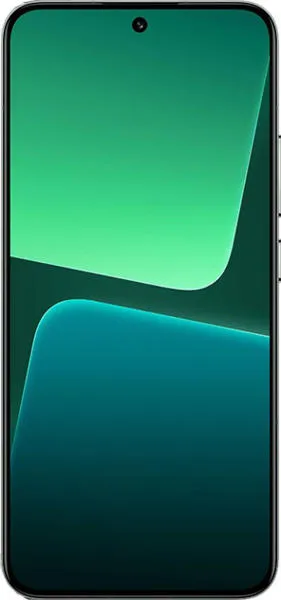
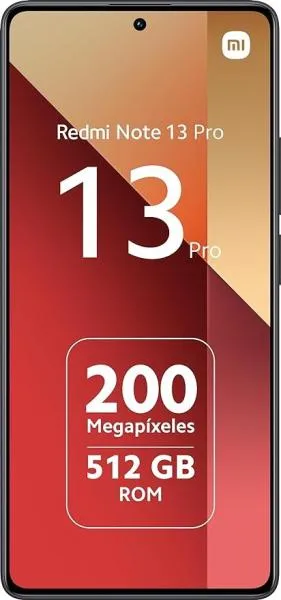
Xiaomi 13 vs. Xiaomi Redmi Note 13 Pro 4G: A Deep Dive
Let's dissect the Xiaomi 13 and Redmi Note 13 Pro 4G, two compelling smartphones with distinct personalities. My goal is to arm you with the knowledge to choose the perfect device for your needs.
1. Specifications Breakdown
| Feature | Xiaomi 13 | Xiaomi Redmi Note 13 Pro 4G | Real-World Implications |
|---|---|---|---|
| Design | |||
| Dimensions (mm) | 152.8 x 71.5 x 8 | 161.1 x 75 x 8 | 13 is more compact, potentially easier to handle |
| Weight (g) | 185 | 188 | Negligible difference in weight |
| Build Materials | Glass front/back, aluminum frame | Glass front, plastic frame | 13 feels more premium, potentially more durable |
| Display | |||
| Size (inches) | 6.36 | 6.67 | Note 13 Pro offers a larger viewing area |
| Resolution | 1080 x 2400 | 1080 x 2400 | Identical sharpness; larger screen on Note 13 Pro means slightly lower PPI |
| Refresh Rate (Hz) | 120 | 120 | Both offer smooth scrolling and animations |
| Display Type | AMOLED, Dolby Vision, HDR10+ | AMOLED | 13 boasts superior color accuracy and HDR support for richer visuals |
| Peak Brightness (nits) | 1900 | 1300 | 13 is significantly brighter outdoors |
| Performance | |||
| Chipset | Snapdragon 8 Gen 2 | MediaTek Helio G99 Ultra | 13 offers flagship-level performance; Note 13 Pro is mid-range |
| CPU | Octa-core (3.2 GHz Cortex-X3...) | Octa-core (2.2 GHz Cortex-A76...) | 13 will handle demanding tasks and multitasking much more efficiently |
| GPU | Adreno 740 | Mali-G57 MC2 | Significant gaming and graphics advantage for the 13 |
| RAM (GB) | 8/12 | 8/12 | Both offer ample RAM for smooth multitasking |
| Camera | |||
| Main Camera (MP) | 50 (Sony IMX800) | 200 (Samsung ISOCELL HP3) | Note 13 Pro has higher resolution; 13 uses a larger, potentially superior sensor |
| Ultrawide (MP) | 12 | 8 | 13 offers a slightly better ultrawide experience |
| Telephoto (MP) | 10 (3.2x optical zoom) | N/A | 13 offers optical zoom for clearer zoomed shots; Note 13 Pro relies on digital zoom |
| Video | Up to 8K@24fps | Up to 1080p@60fps | 13 provides significantly better video recording capabilities |
| Battery Life | |||
| Capacity (mAh) | 4500 | 5000 | Note 13 Pro has a larger battery, potentially longer battery life |
| Charging | 67W wired, 50W wireless | 67W wired, 33W wireless | Comparable wired charging; 13 has faster wireless charging |
2. Key Insights
Performance: The Xiaomi 13, powered by the Snapdragon 8 Gen 2, is a performance powerhouse. Expect blazing-fast speeds, seamless multitasking, and smooth gaming. The Redmi Note 13 Pro 4G, with its Helio G99, delivers respectable mid-range performance but can't match the 13's raw power.
Camera: While the Note 13 Pro boasts a 200MP main sensor, megapixels aren't everything. The Xiaomi 13's 50MP Sony IMX800 sensor, coupled with Leica optics and a dedicated telephoto lens, likely produces superior image quality, especially in low light and zoomed shots. The 13 also offers vastly superior video recording capabilities.
Display: Both phones have 120Hz AMOLED displays, but the Xiaomi 13's panel supports Dolby Vision and HDR10+ for a more vibrant and immersive viewing experience. It's also significantly brighter, making it easier to use outdoors.
Battery: The Redmi Note 13 Pro 4G has a larger 5000mAh battery, promising longer endurance. However, the Xiaomi 13's more power-efficient chip might offset this difference in real-world usage.
3. User Profiles and Recommendations
Xiaomi 13: Ideal for power users, gamers, photography enthusiasts, and anyone who demands top-tier performance and a premium experience.
Redmi Note 13 Pro 4G: Suited for budget-conscious users who prioritize battery life and a large display. It's a solid choice for everyday tasks, social media, and casual gaming.
4. Buying Decision Framework
- What's your budget? The Xiaomi 13 is significantly more expensive.
- What are your performance needs? If you need top-tier power for demanding tasks or gaming, the 13 is the clear winner.
- What's most important: camera quality or battery life? The 13 has a more versatile and potentially superior camera system, while the Note 13 Pro 4G offers a larger battery.
My Choice: I would choose the Xiaomi 13. While the Redmi Note 13 Pro 4G offers a compelling price-to-performance ratio, I value the 13's flagship performance, superior camera system (especially the telephoto lens and video capabilities), brighter and more color-accurate display, and more premium build. The slightly smaller battery is a trade-off I'm willing to make for the significant gains in other areas. For me, the Xiaomi 13 offers a more well-rounded and future-proof experience.
