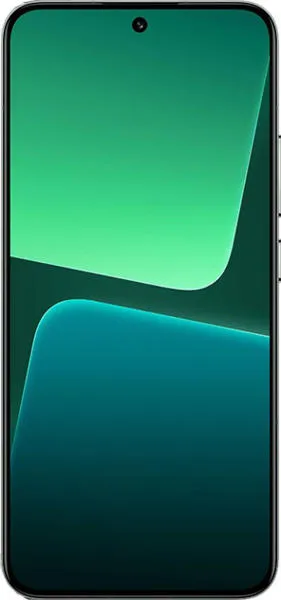
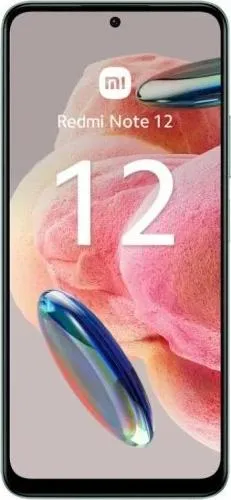
Xiaomi 13 vs. Xiaomi Redmi Note 12 4G: A Deep Dive
Let's dissect the Xiaomi 13 and Redmi Note 12 4G, cutting through the spec sheet to uncover what truly matters for everyday use. I'll break down their features, highlighting how they impact your real-world experience.
1. Specifications Breakdown
| Feature | Xiaomi 13 | Xiaomi Redmi Note 12 4G | Real-World Implications |
|---|---|---|---|
| Design | |||
| Dimensions (mm) | 152.8 x 71.5 x 8 | 165.7 x 76 x 7.9 | Xiaomi 13 is more compact and pocketable. |
| Weight (g) | 185 | 183.5 | Negligible weight difference. |
| Display | |||
| Type | AMOLED, 120Hz, Dolby Vision, HDR10+ | AMOLED, 120Hz | Both offer vibrant colors and smooth scrolling; Xiaomi 13 boasts better HDR. |
| Peak Brightness | 1900 nits | 1200 nits | Xiaomi 13 is significantly brighter outdoors. |
| Size | 6.36" | 6.67" | Redmi Note 12 4G offers a larger screen for media consumption. |
| Performance | |||
| Chipset | Snapdragon 8 Gen 2 (4nm) | Snapdragon 685 (6nm) | Xiaomi 13 offers flagship-level performance; Redmi Note 12 4G is mid-range. |
| CPU | Octa-core (up to 3.2 GHz) | Octa-core (up to 2.8 GHz) | Xiaomi 13 handles demanding tasks and multitasking with greater ease. |
| GPU | Adreno 740 | Adreno 610 | Xiaomi 13 provides a superior gaming and graphics experience. |
| RAM | 8GB/12GB | 4GB/6GB/8GB | More RAM in higher-end Xiaomi 13 configurations enables smoother multitasking. |
| Camera | |||
| Main Sensor | 50MP Sony IMX800, f/1.8 | 48MP Samsung S5KJN1, f/1.8 | Xiaomi 13 likely offers better low-light performance and detail. |
| Video | Up to 8K@24fps | Up to 1080p@30fps | Xiaomi 13 provides significantly higher resolution video recording. |
| Battery Life | |||
| Capacity | 4500 mAh | 5000 mAh | Redmi Note 12 4G has a larger battery, potentially lasting longer. |
| Other | |||
| Price | High | Mid-range | Xiaomi 13 is considerably more expensive. |
2. Key Insights
The Xiaomi 13 is a powerhouse. Its Snapdragon 8 Gen 2 chip delivers blazing-fast performance, making it ideal for demanding users and mobile gamers. The brilliant display with Dolby Vision HDR is a visual treat. However, its smaller battery might be a concern for heavy users.
The Redmi Note 12 4G, on the other hand, prioritizes affordability and battery life. While its Snapdragon 685 processor is capable for everyday tasks, it won't match the 13's speed. The larger display is great for media, but lacks the HDR capabilities of the 13.
3. User Profiles and Recommendations
Xiaomi 13: Power users, gamers, content creators, and anyone who demands top-tier performance and a premium display. Think of someone who edits videos on their phone or plays graphically intensive games.
Redmi Note 12 4G: Budget-conscious users, casual gamers, social media enthusiasts, and those who prioritize battery life. This phone is perfect for someone who primarily uses their phone for communication, browsing, and light entertainment.
4. Buying Decision Framework
- What's your budget? The Xiaomi 13 commands a flagship price, while the Redmi Note 12 4G offers excellent value for its mid-range cost.
- What are your performance needs? Need a phone that can handle anything you throw at it? The Xiaomi 13 is your pick. For everyday tasks, the Redmi Note 12 4G suffices.
- How important is battery life? If you're constantly on the go, the Redmi Note 12 4G's larger battery might be more appealing.
My Choice: Xiaomi 13
While the Redmi Note 12 4G offers excellent value, I'd choose the Xiaomi 13. As a tech journalist, I need a phone with top-tier performance to handle multitasking, content creation, and running benchmark tests. The superior camera system and the stunning display with Dolby Vision are also crucial for my work. I'm willing to sacrifice a bit of battery life for the significant boost in performance and overall quality. The compact form factor is a bonus for me. While the price is higher, the Xiaomi 13 aligns better with my demanding needs and provides a future-proof experience.
