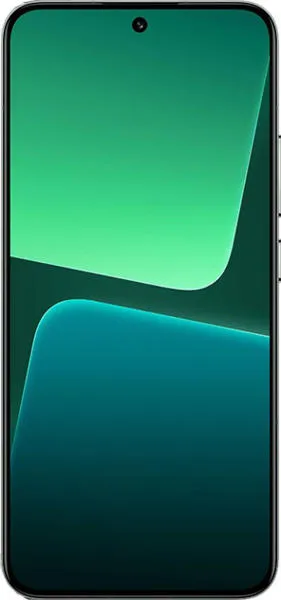
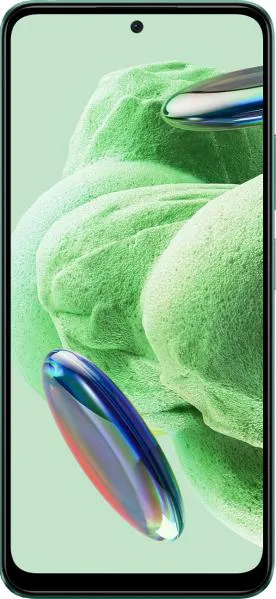
Let's dive into a comparative analysis of the Xiaomi 13 and the Xiaomi Redmi Note 12, dissecting their technical specifications and translating them into real-world implications for you.
1. Specifications Breakdown
| Feature | Xiaomi 13 | Xiaomi Redmi Note 12 | Real-World Implications |
|---|---|---|---|
| Design | |||
| Dimensions (mm) | 152.8 x 71.5 x 8 | 165.9 x 76.2 x 8 | Xiaomi 13 is more compact and pocketable. |
| Weight (g) | 185 | 188 | Negligible weight difference. |
| Display | |||
| Size (inches) | 6.36 | 6.67 | Redmi Note 12 offers a larger screen for media consumption. |
| Resolution (px) | 1080 x 2400 | 1080 x 2400 | Both have sharp FHD displays. |
| Type | AMOLED, 120Hz, Dolby Vision, HDR10+ | AMOLED, 120Hz | Xiaomi 13 boasts superior display technology with HDR10+ and Dolby Vision for richer visuals. |
| Peak Brightness | 1900 nits | 1200 nits | Xiaomi 13 is significantly brighter, ensuring better outdoor visibility. |
| Performance | |||
| Chipset | Snapdragon 8 Gen 2 (4 nm) | Snapdragon 4 Gen 1 (6 nm) | Xiaomi 13 offers flagship-level performance with significantly faster processing and graphics. |
| CPU | Octa-core (1x3.2 GHz & 2x2.8 GHz & 3x2.0 GHz) | Octa-core (2x2.0 GHz & 6x1.8 GHz) | Xiaomi 13's CPU is much more powerful, handling demanding tasks and multitasking with ease. |
| GPU | Adreno 740 | Adreno 619 | Xiaomi 13's GPU delivers a premium gaming and graphics-intensive application experience. |
| RAM | 8GB/12GB | 4GB/6GB/8GB | Xiaomi 13 offers more RAM in its base configuration, enabling smoother multitasking. |
| Camera | |||
| Main Camera (MP) | 50MP (Sony IMX800) | 48MP (Samsung S5KJN1) | Both offer high-resolution main cameras, but the Xiaomi 13's sensor and optics likely provide an edge. |
| Video | Up to 8K@24fps | Up to 1080p@30fps | Xiaomi 13 supports significantly higher video resolution and frame rates. |
| Battery Life | |||
| Capacity (mAh) | 4500 | 5000 | Redmi Note 12 has a slightly larger battery, but the Xiaomi 13's more efficient chip may offset this. |
2. Key Insights
The Xiaomi 13 is a clear flagship device, boasting a top-tier processor, a brilliant display with HDR10+ and Dolby Vision, and advanced camera capabilities. Its compact form factor is a plus for one-handed use.
The Redmi Note 12, on the other hand, is a mid-range contender prioritizing affordability and a large display. While its performance is respectable for everyday tasks, it can't match the Xiaomi 13's raw power. The Redmi Note 12 offers a larger battery but likely won't see vastly improved battery life due to the less efficient processor.
3. User Profiles and Recommendations
Xiaomi 13: Ideal for power users, gamers, photography enthusiasts, and anyone who demands top-tier performance and a premium multimedia experience. The compact design is a bonus for those who prefer smaller phones.
Redmi Note 12: Well-suited for budget-conscious users, casual gamers, and those who prioritize a large display for media consumption. It's a solid choice for everyday tasks like browsing, social media, and light gaming.
4. Buying Decision Framework
Questions to Consider:
- What's your budget? The Xiaomi 13 is significantly more expensive.
- What level of performance do you need? For demanding tasks and gaming, the Xiaomi 13 is essential.
- What screen size do you prefer? The Redmi Note 12 offers a larger display.
My Choice
Personally, I'd choose the Xiaomi 13. While the Redmi Note 12 offers excellent value, my workflow demands the raw horsepower and premium features of a flagship. The superior processor, brighter HDR display, and more advanced camera system of the Xiaomi 13 are crucial for my productivity and creative pursuits. As a tech journalist, having a device that can handle anything I throw at it is paramount. The slightly smaller battery is a trade-off I'm willing to make for the significant performance gains and overall superior user experience. While I appreciate the value proposition of the Redmi Note 12, the Xiaomi 13 better aligns with my needs and priorities.
